Church Management System in Kenya: The Complete Guide for Church Offices and Ministry Teams
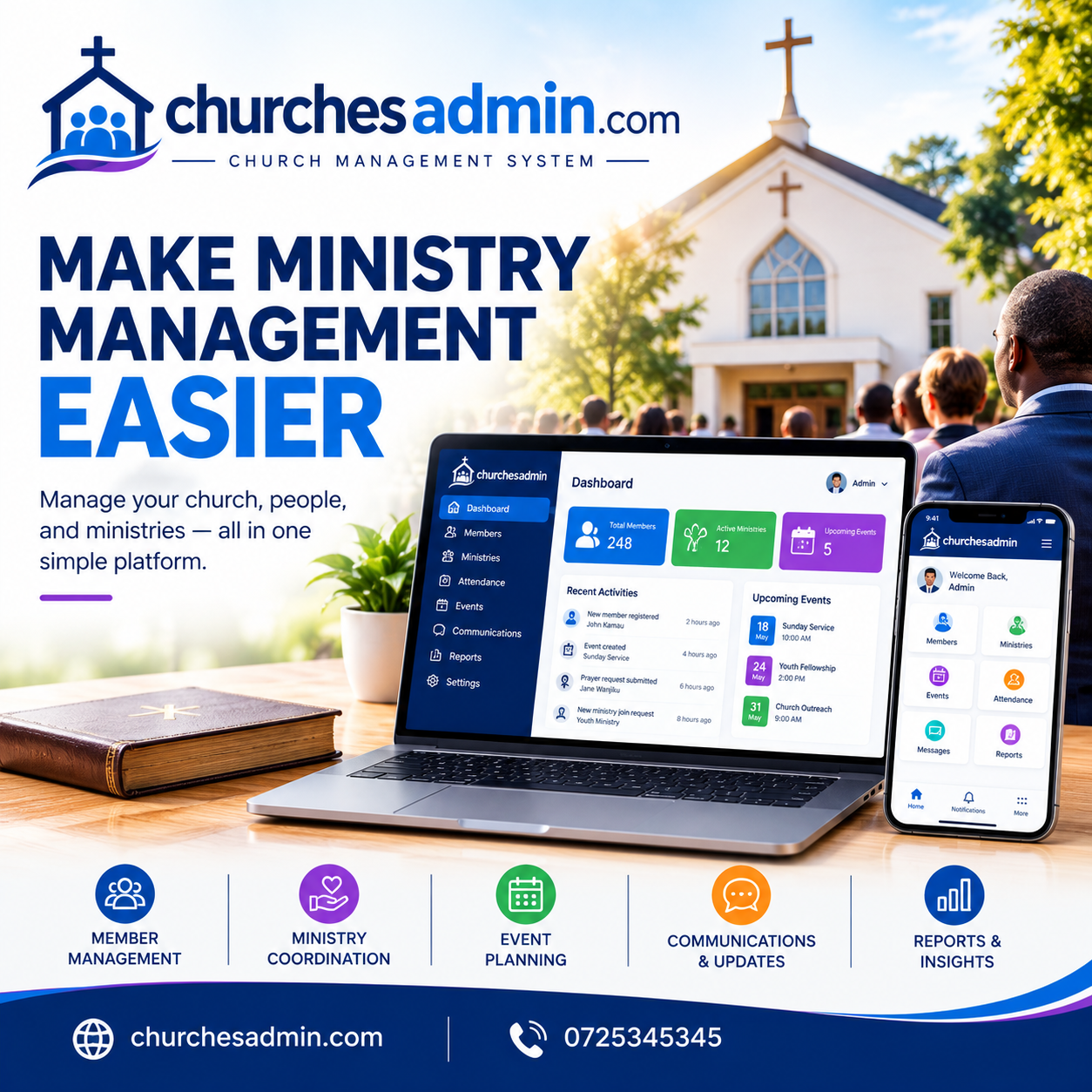
Church management system in Kenya is helping congregations move beyond notebooks, spreadsheets, and scattered WhatsApp groups to a single, organised way of running the church office. Churches manage people, not transactions, and that makes administration both deeply important and unusually complex. Members, visitors, attendance, giving, expenses, events, and communication all need care, and doing it all manually strains even the most dedicated team.
A modern church management system in Kenya brings member records, visitor follow-up, attendance, giving, and reporting into one connected workspace. Instead of searching through files for a member’s history or guessing at attendance trends, the church office has everything at hand. That clarity allows leaders to focus on ministry rather than paperwork.
For pastors, church management system in Kenya provides visibility into people and care, so no member or visitor is forgotten. For secretaries, it simplifies attendance, announcements, and record-keeping. For treasurers, it brings offerings, expenses, and reports into one trustworthy place.
For growing churches with multiple branches or departments, church management system in Kenya provides the structure needed to coordinate without losing the personal touch. Different teams can work in the same system while seeing only what they need, which keeps ministry organised and accountable.
This guide explains what church management system in Kenya includes, how it handles members, visitors, attendance, giving, and reporting, and what to consider before choosing one. It also covers the mistakes that cause church administration to break down and the practical steps that make adoption smooth. Whether your congregation is small or large, the principles are the same.
What a Church Management System in Kenya Does
A church management system in Kenya is the administrative backbone of a congregation. It keeps member records, tracks visitors, records attendance, manages giving and expenses, coordinates events, and produces reports. Each function connects to the others, so the church’s information becomes coherent rather than scattered.
The system begins with people. Member profiles, households, groups, and roles should all live in one directory that the office can trust. A well-structured church management system in Kenya keeps these records accurate, so the team can care for members and communicate with them effectively. People are the heart of church life, and the records should reflect that.
On top of member records sit visitors and follow-up. Guests who visit a service should be captured and cared for, not forgotten. A reliable church management system in Kenya tracks visitors and their follow-up notes, so the church can welcome people properly and help them belong.
The final layer is finance and reporting. The system records offerings, contributions, expenses, and summaries, giving leadership a clear picture. A capable church management system in Kenya makes this information available responsibly, which supports transparency and good stewardship.
Why Churches Outgrow Notebooks and Spreadsheets
Notebooks and spreadsheets serve faithfully for a while, but they break down as a congregation grows. The first breakdown is continuity. When the person who kept the records is unavailable, the information may as well not exist. A proper church management system in Kenya keeps records in one accessible place, so the office continues functioning regardless of who is present.
The second breakdown is care. When member and visitor details are scattered, follow-up becomes inconsistent, and people feel overlooked. A caring church management system in Kenya keeps histories and notes together, so the pastoral team can follow up reliably and no one slips through the cracks.
The third breakdown is financial visibility. When offerings and expenses are recorded in different places, the church cannot see its true position. A transparent church management system in Kenya brings giving and spending together, which supports honest reporting and confident decisions.
The fourth breakdown is coordination. As departments, events, and branches multiply, informal communication stops working. A structured church management system in Kenya keeps everyone aligned, which reduces confusion and helps ministries work together rather than in isolation.
Member Records and Households
Member records are the foundation of church administration, and keeping them well makes everything else easier. A good church management system in Kenya stores names, contacts, households, groups, and involvement in one directory. This central record means the office can find what it needs instantly, rather than searching through files.
Households matter because churches care for families, not just individuals. Linking members to households helps the team understand relationships and communicate appropriately. A thoughtful church management system in Kenya records these connections, so pastoral care and administration reflect the real shape of the congregation.
Keeping records current is an ongoing task that systems make manageable. Members move, contact details change, and new people join regularly. A well-maintained church management system in Kenya makes updates straightforward, so the directory stays reliable over time.
Good member records also support ministry planning. Knowing who is involved in which groups and ministries helps leaders organise effectively. An organised church management system in Kenya provides this view, which turns administration into a tool for ministry rather than a burden.
Visitor Management and Follow-Up
Visitors are the future of any congregation, and how they are treated in their first weeks often determines whether they return. A practical church management system in Kenya captures first-time guests, their details, and their follow-up notes, so nobody is overlooked. This attention turns a friendly welcome into a lasting relationship.
Follow-up is where systems add real value. When a visitor’s details and history are kept together, the team can assign next steps and track progress. A caring church management system in Kenya makes this follow-up visible, so no well-intentioned conversation is forgotten and no guest feels abandoned.
Converting visitors into members should be a natural process rather than an administrative hurdle. The system should make it easy to update a visitor’s record as they become more involved. A flexible church management system in Kenya supports this transition smoothly, which keeps the focus on people rather than paperwork.
Visitors also provide valuable insight. Understanding how many guests arrive, where they come from, and whether they return helps leaders improve welcome and outreach. An insightful church management system in Kenya tracks these patterns, which supports thoughtful ministry decisions.
Attendance Tracking for Services and Events
Attendance tracking helps leaders understand participation and plan services and ministries wisely. A good church management system in Kenya records attendance for services, fellowships, meetings, and events, providing a clear picture over time. This data is far more useful than a rough estimate at the end of a meeting.
Recording attendance should be simple, since volunteers often handle it under busy conditions. A user-friendly church management system in Kenya makes this quick, whether through check-in, mobile entry, or manual counts. Ease of use is what ensures the records are actually kept.
Trends matter more than individual numbers. When the church can see how attendance changes over months, leaders can spot patterns and respond thoughtfully. An analytical church management system in Kenya presents these trends clearly, which supports planning for services, events, and ministries.
Attendance data also helps with pastoral care. A drop in participation may indicate a member facing difficulty, and noticing this early allows the church to reach out. A caring church management system in Kenya supports this awareness, turning numbers into opportunities for genuine ministry.
Giving, Offerings and Pledges
Giving is both a spiritual practice and an administrative responsibility, and it deserves careful handling. A good church management system in Kenya records offerings, contributions, payments, and pledges in one place, so the church can steward these resources faithfully. Accuracy here builds trust with the congregation.
Recording giving should be straightforward and confidential. The system should allow contributions to be captured reliably while protecting individual privacy. A trustworthy church management system in Kenya handles this responsibly, so members can give with confidence and the church can manage funds with integrity.
Pledges and commitments require tracking over time. When members commit to support a project or ministry, the church needs to follow progress without awkwardness. A well-organised church management system in Kenya tracks pledges clearly, which helps leadership plan and communicate progress honestly.
Summaries help leadership and the congregation understand giving patterns. Clear reports show totals and trends without exposing personal details. A capable church management system in Kenya produces these summaries, which supports transparency and informed planning.
Expenses and Financial Transparency
Managing expenses is essential for stewardship, and doing it well strengthens trust. A strong church management system in Kenya records expenses by category, so the church can see where funds are going and plan accordingly. Without this, spending becomes difficult to explain and easy to mismanage.
Transparency matters to congregations, who give generously and expect careful handling. When the church can present clear financial summaries, trust grows. A transparent church management system in Kenya makes this reporting straightforward, which honours both the givers and the ministry.
Budgets and planning benefit from accurate expense data. When leadership can see historical spending, they can plan future ministry with realism. A data-rich church management system in Kenya provides this foundation, which supports wise decisions about projects and priorities.
Financial accountability also protects church leaders. When records are complete and clear, questions can be answered calmly and fairly. A well-documented church management system in Kenya keeps this history, which safeguards the church’s reputation and the integrity of its leaders.
Announcements and Communication
Communication keeps a congregation connected, and it should be organised rather than improvised. A good church management system in Kenya helps the office send announcements and updates to members efficiently, so people stay informed about services, events, and ministries. Reliable communication strengthens community.
Different messages suit different audiences, and a good system should support that. Announcements for the whole congregation differ from notes to a specific department. A flexible church management system in Kenya allows targeted communication, so people receive what is relevant to them rather than a flood of generic messages.
Public pages extend communication beyond the congregation. Sharing service notices and ministry updates publicly helps visitors and the wider community stay informed. A well-designed church management system in Kenya supports this outreach, which helps the church engage beyond its walls.
Communication history also supports follow-up. When the team can see what was sent and when, they avoid duplication and ensure consistency. An organised church management system in Kenya keeps these records, which makes communication smoother and more thoughtful.
Events, Departments and Ministry Coordination
Events are central to church life, and coordinating them well requires structure. A practical church management system in Kenya supports planning for services, conferences, fellowships, and meetings, so details are organised and people know what to expect. Good event management reduces stress and improves participation.
Departments and ministries need coordination to work together effectively. When each group operates in isolation, resources are wasted and communication falters. A connected church management system in Kenya links departments to the central record, so ministries stay aligned while serving their specific callings.
Volunteers are the engine of church ministry, and coordinating them well is essential. The system should help leaders organise teams, communicate schedules, and track involvement. A supportive church management system in Kenya makes this easier, which encourages more people to serve.
Coordination also improves accountability. When events, departments, and volunteers are all recorded, leaders can see what is happening and support it effectively. An organised church management system in Kenya provides this visibility, which helps ministry flourish in an orderly way.
Multi-Branch and Multi-Congregation Reporting
Growing churches often find themselves with multiple branches or congregations, and coordination becomes a real challenge. A scalable church management system in Kenya allows several locations to be managed from one place, with shared standards and clear separation. This structure keeps the church united without losing local detail.
Consistent reporting across branches is essential for oversight. When each location follows the same reporting pattern, leaders can compare and support them fairly. A well-structured church management system in Kenya supports this consistency, which helps the church grow in an orderly way.
Branch-level visibility helps leaders allocate resources wisely. Knowing how each congregation is doing allows informed decisions about support, staffing, and ministry focus. A comprehensive church management system in Kenya provides this view, which is invaluable as the church expands.
Managing multiple branches also requires careful permissions, so local teams control their own records while leadership retains oversight. A flexible church management system in Kenya handles these boundaries cleanly, keeping information secure while supporting collaboration across the church.
Public Pages and Self Check-In
Public pages let a church share information and collect details without forcing people to sign in, which makes engagement easier. A good church management system in Kenya supports public announcements, support schedules, and contribution pages, so the church can communicate and receive support smoothly. When someone interacts publicly, the records flow into the internal system.
Self check-in is a practical feature with real benefits. Members and visitors can check in by QR code or phone, and attendance lands directly in the reports. A convenient church management system in Kenya makes check-in simple, which improves accuracy and reduces queues at busy services.
Public contribution pages also support giving. When members can contribute conveniently, giving becomes easier and more consistent. A thoughtful church management system in Kenya connects these pages to the church record, so every contribution is properly recorded behind the scenes.
The combination of public access and internal records is powerful. It allows the church to engage externally while keeping everything organised internally. A well-integrated church management system in Kenya delivers this balance, which serves both the congregation and the office team.
Roles, Permissions and Volunteer Teams
Church administration involves many hands, so clear roles and permissions are essential. A good church management system in Kenya separates duties between pastors, secretaries, treasurers, and ministry leaders, so each person sees what their work requires and nothing more. This structure protects privacy and reduces confusion.
Role-based access is particularly important with sensitive information. Financial records and personal notes should not be visible to everyone. A secure church management system in Kenya enforces these boundaries, so the church can trust its data handling.
Volunteers need simple, clear tools, because they often serve part-time and may change frequently. A user-friendly church management system in Kenya makes it easy for new volunteers to help without extensive training, which keeps ministry running smoothly.
Good role design also supports accountability. When responsibilities are clear and records are traceable, the church can function transparently. An organised church management system in Kenya provides this foundation, which benefits both leadership and the congregation.
Choosing a Church Management System in Kenya
Choosing well begins with understanding your church’s needs. How many members, which ministries, and what level of financial reporting is required? A well-matched church management system in Kenya fits your congregation today while leaving room to grow, rather than forcing a change soon after adoption.
Financial handling should be a decisive factor. If the platform does not manage giving and expenses responsibly, it will not serve the church well. A trustworthy church management system in Kenya handles finance with care, which is essential for stewardship and congregational trust.
Usability, reliability, and support matter just as much. The system must be easy for staff and volunteers, stable on busy Sundays, and backed by responsive help. A dependable church management system in Kenya is one you can rely on every week, when attendance and giving are recorded and reports are needed for leadership.
Common Mistakes Churches Make
One common mistake is leaving records in personal notebooks. It seems harmless until the person is unavailable and the church loses its memory. Adopting a church management system in Kenya keeps the church’s information secure and accessible regardless of who is serving.
Another mistake is neglecting visitor follow-up. When guests are not tracked, they feel forgotten and seldom return. A caring church management system in Kenya helps the team follow up consistently, which turns first-time guests into long-term members.
A third mistake is treating finance casually. Without clear records, the church cannot demonstrate good stewardship, and questions of trust arise. A responsible church management system in Kenya brings transparency to giving and expenses, which honours the congregation and protects the church’s integrity.