
The Complete Guide to Choosing the Right Church Management Software
Choosing the Right Church Management Software
Running a modern church involves far more than leading worship services and organizing Sunday gatherings. Churches today handle complex administrative tasks, manage large member databases, plan events, track finances, and coordinate volunteer work. Without a reliable Church Management Software, these responsibilities can quickly become overwhelming. This is where the right technology can transform the way your ministry operates.
In this detailed guide, we will explore what Church Management Software is, why it’s essential for churches of all sizes, and how to choose the best option for your congregation.
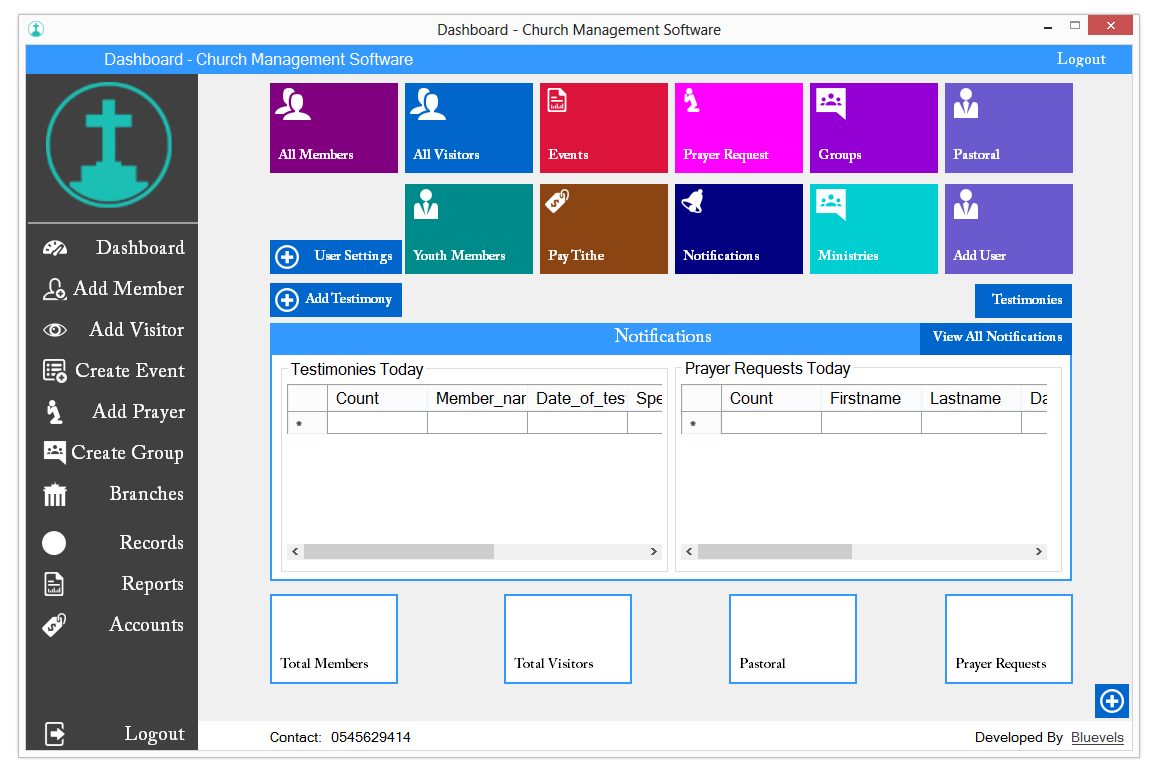
Understanding Church Management Software
Church Management Software (often referred to as ChMS) is a digital platform designed to centralize all the essential functions of church administration. Instead of juggling spreadsheets, paper records, and multiple communication channels, church leaders can use one integrated system to oversee member data, donations, events, and ministries.
The right Church Management Software allows pastors, administrators, and volunteers to save time, reduce errors, and focus more on serving people rather than paperwork.
Why Churches Need Digital Management Tools
Whether your church has 50 members or 5,000, a good Church Management Software provides critical benefits:
1. Organized Member Records
Gone are the days of bulky filing cabinets or incomplete spreadsheets. A ChMS securely stores profiles for every member, including personal information, contact details, attendance history, and ministry involvement.
2. Transparent Financial Tracking
Churches often rely on donations, offerings, and tithes to support their mission. Church Management Software makes it easy to record contributions, generate giving statements, and share transparent reports with leadership teams.
3. Streamlined Communication
From event invitations to prayer requests, communication is at the heart of ministry. With integrated email and SMS tools, Church Management Software enables churches to send targeted messages quickly and efficiently.
4. Simplified Event Planning
Organizing a baptism service, youth camp, or outreach program? The right software lets you create event pages, manage registrations, assign volunteers, and track attendance—all in one place.
5. Ministry and Volunteer Coordination
Volunteer management can be tricky without clear scheduling. A Church Management Software allows leaders to assign tasks, track availability, and keep everyone informed.
Key Features to Look for in Church Management Software
When choosing a system, consider these essential features:
-
Membership Management: Comprehensive profiles, group assignments, and attendance tracking.
-
Donation Processing: Secure online giving, recurring donations, and financial reporting.
-
Communication Tools: Email newsletters, SMS alerts, and push notifications.
-
Event Management: Calendars, registrations, and attendance reports.
-
Volunteer Scheduling: Task assignments, shift tracking, and availability management.
-
Security & Privacy: Data encryption, user permissions, and backup systems.
-
Mobile Access: A responsive interface for smartphones and tablets.
The Role of Cloud-Based Church Management Software
Cloud technology has revolutionized church administration. A cloud-based Church Management Software allows leaders to access data anytime, anywhere, on any device. This means pastors can check member updates on the go, finance teams can process contributions from home, and ministry leaders can prepare for events remotely.
Some key benefits of cloud-based solutions include:
-
Automatic backups to prevent data loss.
-
Real-time updates for all users.
-
No need for expensive servers or IT staff.
How Church Management Software Improves Ministry Impact
A well-implemented Church Management Software doesn’t just make admin tasks easier—it strengthens your ministry’s impact. With better organization, your team can dedicate more time to discipleship, outreach, and community support.
For example:
-
Tracking new visitors and following up helps grow membership.
-
Managing small groups ensures members are cared for and connected.
-
Financial transparency builds trust among donors.
Tips for Implementing Church Management Software Successfully
Transitioning to a new system can seem daunting. Here’s how to make the process smooth:
-
Involve Your Leadership Team – Ensure everyone understands the benefits and is on board.
-
Train Volunteers and Staff – Provide clear instructions and practice sessions.
-
Import Data Carefully – Clean up member records before transferring them into the system.
-
Start with Core Features – Focus on essentials like member management and giving before exploring advanced tools.
-
Seek Ongoing Support – Choose a provider that offers training, customer service, and regular updates.
Common Mistakes to Avoid
When adopting a Church Management Software, avoid:
-
Choosing a system that’s too complex for your team.
-
Neglecting proper training.
-
Underestimating the importance of security.
-
Ignoring mobile accessibility.
Questions to Ask Before You Choose
To ensure you pick the right Church Management Software, ask potential providers:
-
How secure is the platform?
-
Does it integrate with online giving tools?
-
What kind of customer support is provided?
-
Is there a mobile app?
-
Can it grow with our church’s needs?
The Future of Church Management Software
The future points toward even more integration with online giving platforms, AI-powered insights, and enhanced communication features. As churches increasingly adopt hybrid ministry models—balancing in-person and online engagement—the role of Church Management Software will only become more critical.
Conclusion
In today’s fast-paced and digitally connected world, Church Management Software is no longer optional—it’s a vital tool for ministry success. It streamlines operations, strengthens communication, ensures financial transparency, and empowers leaders to focus on their spiritual mission.
By choosing the right system and implementing it wisely, your church can serve its members better, expand outreach, and steward resources more effectively. Now is the perfect time to invest in technology that supports the Kingdom work you are called to do.

