
Top 10 Benefits of Using Church Management System in Your Church

Church Management System
In the digital age, churches are increasingly leveraging technology to enhance their operations and improve their congregational experiences. A Church Management System (ChMS) is one such tool that is revolutionizing how churches function. This software helps automate administrative tasks, manage member information, coordinate events, and ensure smooth financial operations. Implementing a ChMS can significantly benefit your church, making day-to-day management more efficient and fostering a stronger connection within the congregation. Here are the top 10 benefits of using a Church Management System in your church.
- Streamlined Member Management: A ChMS provides a centralized database to store and manage all member information, including contact details, attendance records, and involvement in church activities. This streamlined system allows church leaders to access accurate member data quickly and personalize their interactions, enhancing pastoral care and community engagement.
- Improved Communication Effective communication: is crucial for any church. A ChMS offers tools to send emails, text messages, and newsletters to the entire congregation or specific groups. This ensures timely dissemination of information about upcoming services, events, and other church activities, keeping everyone well-informed and engaged.
- Efficient Event Planning: Organizing church events can be complex and time-consuming. A ChMS simplifies event planning by allowing church staff to schedule events, manage registrations, and coordinate resources. Automated reminders and follow-ups help ensure that events run smoothly and attendance is maximized.
- Better Financial Management: Churches rely heavily on donations and tithes for their operations. A ChMS helps track contributions, generate financial reports, and manage budgets with accuracy. It also supports online giving, making it easier for members to contribute from anywhere, thereby increasing donation consistency and transparency.
- Volunteer Coordination: Volunteers are the backbone of many church activities. A ChMS helps coordinate volunteer schedules, assign tasks, and send reminders. This ensures that volunteers are well-informed, properly scheduled, and appreciated, enhancing their overall experience and encouraging continued participation.
- Enhanced Child Safety and Check-In: Child safety is a top priority for churches offering Sunday schools or childcare services. A ChMS includes a secure check-in system that tracks children during church events. Parents can check their children in and out seamlessly, ensuring their safety and providing peace of mind.
- Attendance Tracking: Monitoring attendance patterns helps church leaders identify trends and engage members more effectively. A ChMS automates attendance tracking for services, events, and small group meetings. This data allows leaders to follow up with absent members and ensure they remain connected to the church community.
- Data-Driven Insights: A ChMS generates detailed reports on various aspects of church operations, such as attendance, giving trends, and volunteer participation. These insights empower church leaders to make informed decisions, optimize resource allocation, and develop strategies for growth.
- Mobile Accessibility: Modern ChMS platforms offer mobile apps or responsive websites, enabling church staff and members to access information on the go. Whether updating records, making donations, or checking event schedules, mobile accessibility ensures that everyone stays connected, regardless of location.
- Increased Efficiency and Reduced Workload: Automating administrative tasks reduces the workload on church staff and volunteers. Tasks like data entry, event coordination, and financial management become more efficient, allowing church leaders to focus more on ministry and community-building efforts.
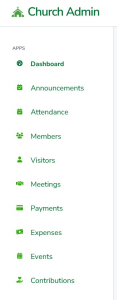
Church Management System
Conclusion: Implementing a Church Management System can revolutionize your church’s operations, enhancing efficiency, communication, and community engagement. By automating administrative tasks and providing valuable insights, a ChMS allows church leaders to devote more time to their core mission—nurturing spiritual growth and strengthening the church community. Embracing this technology is a step towards a more organized, connected, and thriving congregation.
