Church Membership System: The Complete Guide to Managing Church Members, Ministry Activities, and Congregation Growth with Modern Church Management Software
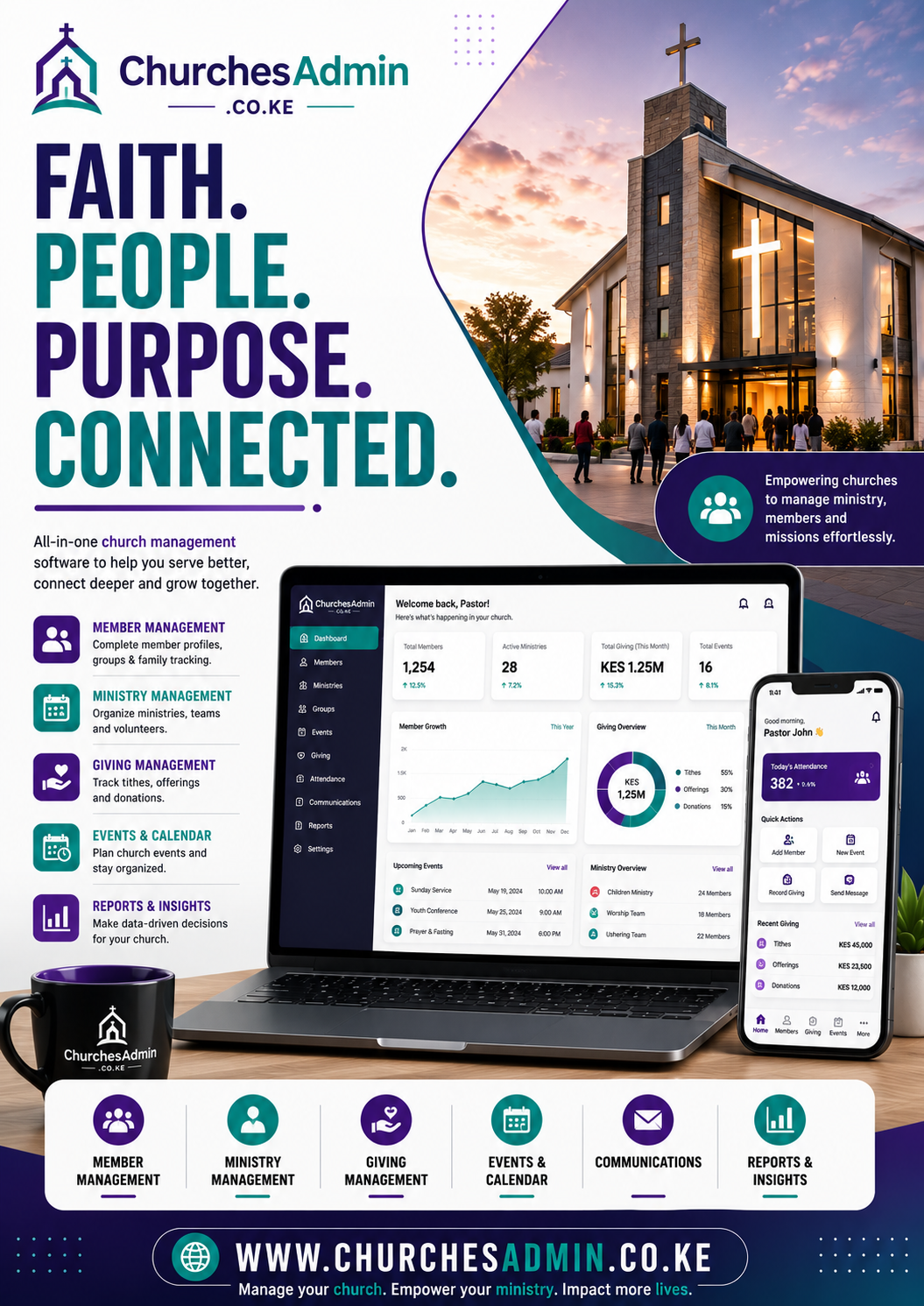 Church Membership System is an essential solution for churches that want to manage member records, improve communication, streamline ministry activities, and strengthen engagement within their congregation. A Church Membership System enables churches to maintain accurate member information, track attendance, manage small groups, coordinate volunteers, organize events, monitor giving, and communicate effectively with members from one centralized platform. As churches continue embracing digital transformation, manual record books and spreadsheets are no longer sufficient for managing growing congregations. Whether serving a small local fellowship or a large multi-campus ministry, implementing a modern church membership system helps church leaders improve administration while allowing them to focus more on ministry, discipleship, and community outreach.
Table of Contents
- Introduction
- What Is a Church Membership System?
- Why Churches Need a Membership System
- Essential Features of a Church Membership System
- Benefits of Digital Church Membership Management
- How to Choose the Right Church Membership System
- Cloud-Based Church Management Solutions
- Church Membership Systems for Churches in Kenya
- Why ChurchesAdmin Is an Excellent Solution
- Future Trends in Church Membership Management
Introduction
Church Membership System has become one of the most important digital tools for churches seeking to organize member information, improve communication, and strengthen ministry administration. As congregations grow, managing member records manually becomes increasingly challenging. Important information can become difficult to locate, attendance records may be inconsistent, and communication with members can become time-consuming.
A modern church membership system centralizes all church information into one secure platform. Church leaders can manage members, monitor attendance, coordinate ministries, organize church events, and generate reports that support informed decision-making. Churches across Kenya are increasingly adopting cloud-based church management software to improve efficiency while strengthening relationships with their congregations.
What Is a Church Membership System?
A Church Membership System is software specifically designed to help churches organize, manage, and maintain accurate records of members and church activities.
The system typically supports:
- Member registration.
- Family records.
- Attendance management.
- Ministry management.
- Volunteer coordination.
- Event management.
- Communication tools.
- Giving records.
- Reporting and analytics.
- User management.
Instead of maintaining multiple spreadsheets and paper files, church administrators can manage all information through one centralized dashboard.
Why Churches Need a Membership System
Managing a growing congregation requires organization and reliable information.
A Church Membership System helps churches:
- Maintain accurate member records.
- Improve communication.
- Track attendance.
- Coordinate ministries.
- Organize volunteers.
- Monitor church growth.
- Simplify administration.
- Improve pastoral care.
By reducing administrative work, church leaders can dedicate more time to ministry and serving their congregation.
Essential Features of a Church Membership System
Member Management
Member records form the foundation of every Church Membership System.
The software should allow administrators to:
- Register new members.
- Update personal information.
- Record family relationships.
- Track membership status.
- Store photographs.
- Maintain communication history.
Centralized records improve organization while making member information easy to access.
Attendance Tracking
Attendance provides valuable insights into church engagement.
The system should support:
- Sunday service attendance.
- Midweek service attendance.
- Small group attendance.
- Youth ministry attendance.
- Children’s ministry attendance.
- Special event attendance.
Accurate attendance records help church leaders identify members who may require follow-up and pastoral care.
Ministry Management
Churches often operate multiple ministries simultaneously.
The Church Membership System should manage:
- Men’s ministry.
- Women’s ministry.
- Youth ministry.
- Children’s ministry.
- Worship teams.
- Evangelism teams.
- Hospitality ministry.
- Prayer groups.
Centralized ministry management improves coordination and accountability.
Volunteer Management
Volunteers play an important role in church operations.
The system should help leaders:
- Register volunteers.
- Assign responsibilities.
- Schedule service teams.
- Track availability.
- Monitor participation.
- Recognize volunteer contributions.
Organized volunteer management improves ministry effectiveness.
Event Management
Churches regularly organize conferences, seminars, retreats, and outreach programs.
The software should support:
- Event registration.
- Attendance monitoring.
- Volunteer assignment.
- Communication.
- Resource planning.
- Event reporting.
Digital event management simplifies planning while improving participation.
Communication Tools
Effective communication strengthens member engagement.
A Church Membership System should support:
- SMS notifications.
- Email communication.
- Event reminders.
- Prayer requests.
- Ministry announcements.
- Emergency notifications.
Timely communication keeps members informed and connected.
Giving and Contribution Tracking
Financial stewardship is an important aspect of church administration.
The system should record:
- Tithes.
- Offerings.
- Donations.
- Special contributions.
- Mission giving.
- Fundraising campaigns.
Accurate financial records improve transparency and accountability.
Reporting and Analytics
Church leaders require accurate information for planning and decision-making.
Useful reports include:
- Membership growth.
- Attendance trends.
- Giving reports.
- Ministry participation.
- Volunteer activity.
- Event performance.
These reports help church leadership evaluate ministry effectiveness and plan future initiatives.
Benefits of Digital Church Membership Management
Churches implementing a Church Membership System experience numerous operational improvements.
Benefits include:
- Better member organization.
- Faster communication.
- Improved attendance tracking.
- Simplified administration.
- Better pastoral care.
- Increased ministry coordination.
- Secure record keeping.
- Improved decision-making.
Digital systems help churches operate more efficiently while strengthening relationships with members.
How to Choose the Right Church Membership System
When evaluating church management software, leaders should consider:
- Ease of use.
- Available features.
- Cloud accessibility.
- Security.
- Reporting capabilities.
- Mobile compatibility.
- Customer support.
- Scalability.
- User permissions.
- Long-term development.
Selecting software that grows alongside the church ensures continued value for years to come.
Cloud-Based Church Management Solutions
Cloud technology offers significant advantages for churches.
Cloud-based systems provide:
- Remote access.
- Automatic backups.
- Software updates.
- Multi-user collaboration.
- Improved security.
- Lower infrastructure costs.
Church leaders can securely access information from the office, home, or while traveling.
Church Membership Systems for Churches in Kenya
Churches throughout Kenya continue embracing digital management solutions.
Whether serving congregations in Nairobi, Mombasa, Kisumu, Nakuru, Eldoret, Thika, Meru, Nyeri, or other regions, a Church Membership System helps churches improve administration while supporting ministry growth.
From small local congregations to large denominations, digital church management software is becoming an essential ministry tool.
Why ChurchesAdmin Is an Excellent Solution
For churches seeking a reliable Church Membership System, ChurchesAdmin provides a comprehensive platform designed specifically for church administration.
ChurchesAdmin includes:
- Member management.
- Attendance tracking.
- Ministry management.
- Volunteer coordination.
- Event management.
- Giving records.
- Communication tools.
- Reporting dashboards.
- Role-based user permissions.
- Cloud accessibility.
- Automated notifications.
- Secure data management.
Designed for churches of all sizes, ChurchesAdmin helps simplify administration while allowing church leaders to focus on ministry, discipleship, and community impact.
Future Trends in Church Membership Management
The Church Membership System continues evolving as churches adopt new technologies.
Emerging trends include:
- Artificial intelligence.
- Mobile church apps.
- Online member portals.
- Digital discipleship tools.
- Smart reporting.
- Automated communication.
- Cloud-native platforms.
- Integrated online giving.
These innovations will continue helping churches strengthen engagement while improving ministry effectiveness.
Benefits of a Church Membership System for Different Stakeholders
A Church Membership System benefits every individual involved in church administration and ministry. From senior pastors and church administrators to ministry leaders, volunteers, finance teams, and church members, a centralized system improves communication, organization, and decision-making.
Instead of maintaining paper registers, spreadsheets, and separate records, churches can manage all information from one secure platform. This creates a more organized ministry environment while allowing leaders to spend more time serving people rather than handling administrative work.
Benefits for Senior Pastors
Senior pastors need accurate information to provide effective leadership and pastoral care.
A Church Membership System enables pastors to:
- Monitor church growth.
- View attendance trends.
- Access member profiles.
- Track ministry participation.
- Review giving summaries.
- Monitor discipleship progress.
- Generate leadership reports.
- Make informed ministry decisions.
Having access to real-time church data helps pastors plan future programs while identifying areas that require additional attention.
Benefits for Church Administrators
Church administrators manage much of the daily operation of the church.
Using a Church Membership System, administrators can:
- Register new members.
- Update member records.
- Manage family information.
- Organize church events.
- Schedule volunteers.
- Generate reports.
- Send announcements.
- Maintain accurate church records.
Automation reduces paperwork and ensures important information is always up to date.
Benefits for Ministry Leaders
Each ministry within the church requires effective organization.
The Church Membership System helps ministry leaders:
- Manage ministry members.
- Track attendance.
- Coordinate meetings.
- Organize ministry activities.
- Monitor volunteer participation.
- Communicate with members.
- Generate ministry reports.
- Plan future programs.
These tools strengthen ministry coordination and improve member engagement.
Benefits for Finance Teams
Church finance departments require accurate financial records and reporting.
The Church Membership System assists finance teams by helping them:
- Record tithes.
- Track offerings.
- Monitor donations.
- Generate financial reports.
- Prepare giving statements.
- Reconcile transactions.
- Improve accountability.
- Support financial planning.
Digital financial records improve transparency and simplify reporting.
Benefits for Volunteers
Volunteers are essential to church ministry.
The Church Membership System enables volunteer coordinators to:
- Register volunteers.
- Assign ministry roles.
- Create service schedules.
- Track participation.
- Manage availability.
- Coordinate teams.
- Improve communication.
- Recognize volunteer service.
Well-organized volunteer management improves ministry effectiveness while reducing scheduling conflicts.
Benefits for Church Members
Church members benefit from better communication and more organized ministry.
A Church Membership System provides members with:
- Timely church announcements.
- Event reminders.
- Ministry updates.
- Prayer request submission.
- Accurate membership records.
- Improved pastoral care.
- Better event organization.
- Stronger community engagement.
Members remain informed and connected, strengthening their involvement in church life.
Improving Ministry Through Automation
Automation allows churches to spend less time on administration and more time on ministry.
A Church Membership System can automate:
- Member registration.
- Attendance recording.
- SMS notifications.
- Email communication.
- Event reminders.
- Volunteer scheduling.
- Report generation.
- Giving records.
- Ministry updates.
- Member follow-up.
By automating repetitive tasks, churches improve efficiency while creating a better experience for both leaders and members.
Across Kenya, many churches are embracing digital tools to support growing congregations and improve ministry administration.
Compliance, Security and Data Protection
Churches store confidential personal and financial information that must be protected.
A Church Membership System should include strong security features that safeguard member records while ensuring authorized access.
Role-Based User Access
Different church leaders require different permissions.
Common user roles include:
- Senior Pastor.
- Associate Pastor.
- Church Administrator.
- Finance Officer.
- Ministry Leader.
- Volunteer Coordinator.
- System Administrator.
Role-based permissions improve accountability while protecting confidential information.
Secure Member Records
The system should securely store:
- Member profiles.
- Family information.
- Attendance history.
- Giving records.
- Ministry participation.
- Volunteer records.
- Event registrations.
- Church documents.
Digital storage reduces paperwork while ensuring information is easily accessible.
Audit Logs
Every important activity within the system should be recorded automatically.
Administrators can review:
- Member updates.
- Attendance records.
- Giving entries.
- User activities.
- Report generation.
- Administrative changes.
Audit logs improve transparency and simplify internal reviews.
Cloud Backup and Disaster Recovery
Automatic cloud backups protect church information against:
- Hardware failure.
- Accidental deletion.
- System errors.
- Natural disasters.
Reliable backups ensure valuable church records remain secure and recoverable.
Data Security
Modern church management software protects information through encrypted connections, secure authentication, regular software updates, and advanced access controls, helping churches safeguard member privacy and financial information.
Integrating a Church Membership System with Other Church Tools
Today’s churches often use several digital solutions.
A Church Membership System should integrate with:
- Online giving platforms.
- Accounting software.
- SMS gateways.
- Email marketing systems.
- Church websites.
- Event registration platforms.
- Livestream services.
- Mobile church applications.
- Document management systems.
- Reporting dashboards.
Integration improves efficiency by reducing duplicate work while ensuring information remains consistent across different platforms.
Why ChurchesAdmin Is the Ideal Solution
Selecting software that supports both current ministry needs and future growth is essential.
ChurchesAdmin provides a comprehensive Church Membership System designed for churches of all sizes.
ChurchesAdmin offers:
- Member management.
- Attendance tracking.
- Ministry administration.
- Volunteer coordination.
- Event management.
- Giving management.
- Communication tools.
- Reporting dashboards.
- Multi-user access.
- Cloud accessibility.
- Automated notifications.
- Real-time analytics.
The platform helps churches improve organization, strengthen member engagement, and simplify administration while allowing church leaders to focus on ministry.
Church Membership System for Churches in Kenya
Kenya has thousands of churches serving diverse communities, making efficient administration increasingly important.
Organizations that benefit from a Church Membership System include:
- Local churches.
- Denominational headquarters.
- Ministry networks.
- Christian fellowships.
- Youth ministries.
- Campus ministries.
- Children’s ministries.
- Mission organizations.
- Church planting movements.
- Faith-based organizations.
Whether serving congregations in Nairobi, Mombasa, Kisumu, Nakuru, Eldoret, Thika, Meru, Nyeri, or other towns, digital church management software helps churches improve administration while supporting ministry growth.
Future Trends in Church Membership Management
Technology continues transforming church administration.
The Church Membership System of the future is expected to include:
Artificial Intelligence
AI will assist churches by automating communication, identifying member engagement trends, recommending follow-up actions, and supporting ministry planning.
Mobile Church Management
Church leaders and members will increasingly access church services through mobile applications that provide attendance tracking, announcements, event registration, and member portals.
Advanced Analytics
Interactive dashboards will provide deeper insights into membership growth, attendance trends, giving patterns, volunteer participation, and ministry performance.
Digital Discipleship
Future platforms will include tools for Bible study tracking, discipleship programs, online classes, mentoring, and spiritual growth monitoring.
Smart Event Management
Church conferences, seminars, crusades, retreats, and outreach programs will become easier to organize using automated registration, attendance tracking, and communication tools.
Enhanced Cloud Collaboration
Cloud-based platforms will continue improving collaboration by allowing pastors, ministry leaders, administrators, and volunteers to securely access church information from anywhere.
Getting Started with a Church Membership System
Implementing a Church Membership System successfully requires careful planning.
Churches should:
- Review current administrative processes.
- Organize existing member records.
- Import membership data into the system.
- Configure ministries and user roles.
- Train church staff and ministry leaders.
- Test workflows before launch.
- Introduce the system to church departments.
- Monitor usage and performance.
- Encourage consistent data updates.
- Continuously improve administrative processes.
A structured implementation ensures a smooth transition while maximizing the benefits of digital church management.
Conclusion
A Church Membership System is more than a digital member directory—it is a comprehensive ministry management solution that helps churches organize member records, improve communication, coordinate ministries, manage volunteers, monitor attendance, track giving, and strengthen pastoral care.
As churches across Kenya continue growing, adopting a modern church management platform has become essential for improving administration while supporting effective ministry. With ChurchesAdmin, churches gain a secure, cloud-based solution that simplifies operations, enhances member engagement, and equips church leaders with the tools they need to serve their congregations more effectively and prepare for future growth.
Benefits of a Church Membership System for Different Stakeholders
A Church Membership System benefits every individual involved in church administration and ministry. From senior pastors and church administrators to ministry leaders, volunteers, finance teams, and church members, a centralized system improves communication, organization, and decision-making.
Instead of maintaining paper registers, spreadsheets, and separate records, churches can manage all information from one secure platform. This creates a more organized ministry environment while allowing leaders to spend more time serving people rather than handling administrative work.
Benefits for Senior Pastors
Senior pastors need accurate information to provide effective leadership and pastoral care.
A Church Membership System enables pastors to:
- Monitor church growth.
- View attendance trends.
- Access member profiles.
- Track ministry participation.
- Review giving summaries.
- Monitor discipleship progress.
- Generate leadership reports.
- Make informed ministry decisions.
Having access to real-time church data helps pastors plan future programs while identifying areas that require additional attention.
Benefits for Church Administrators
Church administrators manage much of the daily operation of the church.
Using a Church Membership System, administrators can:
- Register new members.
- Update member records.
- Manage family information.
- Organize church events.
- Schedule volunteers.
- Generate reports.
- Send announcements.
- Maintain accurate church records.
Automation reduces paperwork and ensures important information is always up to date.
Benefits for Ministry Leaders
Each ministry within the church requires effective organization.
The Church Membership System helps ministry leaders:
- Manage ministry members.
- Track attendance.
- Coordinate meetings.
- Organize ministry activities.
- Monitor volunteer participation.
- Communicate with members.
- Generate ministry reports.
- Plan future programs.
These tools strengthen ministry coordination and improve member engagement.
Benefits for Finance Teams
Church finance departments require accurate financial records and reporting.
The Church Membership System assists finance teams by helping them:
- Record tithes.
- Track offerings.
- Monitor donations.
- Generate financial reports.
- Prepare giving statements.
- Reconcile transactions.
- Improve accountability.
- Support financial planning.
Digital financial records improve transparency and simplify reporting.
Benefits for Volunteers
Volunteers are essential to church ministry.
The Church Membership System enables volunteer coordinators to:
- Register volunteers.
- Assign ministry roles.
- Create service schedules.
- Track participation.
- Manage availability.
- Coordinate teams.
- Improve communication.
- Recognize volunteer service.
Well-organized volunteer management improves ministry effectiveness while reducing scheduling conflicts.
Benefits for Church Members
Church members benefit from better communication and more organized ministry.
A Church Membership System provides members with:
- Timely church announcements.
- Event reminders.
- Ministry updates.
- Prayer request submission.
- Accurate membership records.
- Improved pastoral care.
- Better event organization.
- Stronger community engagement.
Members remain informed and connected, strengthening their involvement in church life.
Improving Ministry Through Automation
Automation allows churches to spend less time on administration and more time on ministry.
A Church Membership System can automate:
- Member registration.
- Attendance recording.
- SMS notifications.
- Email communication.
- Event reminders.
- Volunteer scheduling.
- Report generation.
- Giving records.
- Ministry updates.
- Member follow-up.
By automating repetitive tasks, churches improve efficiency while creating a better experience for both leaders and members.
Across Kenya, many churches are embracing digital tools to support growing congregations and improve ministry administration.
Compliance, Security and Data Protection
Churches store confidential personal and financial information that must be protected.
A Church Membership System should include strong security features that safeguard member records while ensuring authorized access.
Role-Based User Access
Different church leaders require different permissions.
Common user roles include:
- Senior Pastor.
- Associate Pastor.
- Church Administrator.
- Finance Officer.
- Ministry Leader.
- Volunteer Coordinator.
- System Administrator.
Role-based permissions improve accountability while protecting confidential information.
Secure Member Records
The system should securely store:
- Member profiles.
- Family information.
- Attendance history.
- Giving records.
- Ministry participation.
- Volunteer records.
- Event registrations.
- Church documents.
Digital storage reduces paperwork while ensuring information is easily accessible.
Audit Logs
Every important activity within the system should be recorded automatically.
Administrators can review:
- Member updates.
- Attendance records.
- Giving entries.
- User activities.
- Report generation.
- Administrative changes.
Audit logs improve transparency and simplify internal reviews.
Cloud Backup and Disaster Recovery
Automatic cloud backups protect church information against:
- Hardware failure.
- Accidental deletion.
- System errors.
- Natural disasters.
Reliable backups ensure valuable church records remain secure and recoverable.
Data Security
Modern church management software protects information through encrypted connections, secure authentication, regular software updates, and advanced access controls, helping churches safeguard member privacy and financial information.
Integrating a Church Membership System with Other Church Tools
Today’s churches often use several digital solutions.
A Church Membership System should integrate with:
- Online giving platforms.
- Accounting software.
- SMS gateways.
- Email marketing systems.
- Church websites.
- Event registration platforms.
- Livestream services.
- Mobile church applications.
- Document management systems.
- Reporting dashboards.
Integration improves efficiency by reducing duplicate work while ensuring information remains consistent across different platforms.
Why ChurchesAdmin Is the Ideal Solution
Selecting software that supports both current ministry needs and future growth is essential.
ChurchesAdmin provides a comprehensive Church Membership System designed for churches of all sizes.
ChurchesAdmin offers:
- Member management.
- Attendance tracking.
- Ministry administration.
- Volunteer coordination.
- Event management.
- Giving management.
- Communication tools.
- Reporting dashboards.
- Multi-user access.
- Cloud accessibility.
- Automated notifications.
- Real-time analytics.
The platform helps churches improve organization, strengthen member engagement, and simplify administration while allowing church leaders to focus on ministry.
Church Membership System for Churches in Kenya
Kenya has thousands of churches serving diverse communities, making efficient administration increasingly important.
Organizations that benefit from a Church Membership System include:
- Local churches.
- Denominational headquarters.
- Ministry networks.
- Christian fellowships.
- Youth ministries.
- Campus ministries.
- Children’s ministries.
- Mission organizations.
- Church planting movements.
- Faith-based organizations.
Whether serving congregations in Nairobi, Mombasa, Kisumu, Nakuru, Eldoret, Thika, Meru, Nyeri, or other towns, digital church management software helps churches improve administration while supporting ministry growth.
Future Trends in Church Membership Management
Technology continues transforming church administration.
The Church Membership System of the future is expected to include:
Artificial Intelligence
AI will assist churches by automating communication, identifying member engagement trends, recommending follow-up actions, and supporting ministry planning.
Mobile Church Management
Church leaders and members will increasingly access church services through mobile applications that provide attendance tracking, announcements, event registration, and member portals.
Advanced Analytics
Interactive dashboards will provide deeper insights into membership growth, attendance trends, giving patterns, volunteer participation, and ministry performance.
Digital Discipleship
Future platforms will include tools for Bible study tracking, discipleship programs, online classes, mentoring, and spiritual growth monitoring.
Smart Event Management
Church conferences, seminars, crusades, retreats, and outreach programs will become easier to organize using automated registration, attendance tracking, and communication tools.
Enhanced Cloud Collaboration
Cloud-based platforms will continue improving collaboration by allowing pastors, ministry leaders, administrators, and volunteers to securely access church information from anywhere.
Getting Started with a Church Membership System
Implementing a Church Membership System successfully requires careful planning.
Churches should:
- Review current administrative processes.
- Organize existing member records.
- Import membership data into the system.
- Configure ministries and user roles.
- Train church staff and ministry leaders.
- Test workflows before launch.
- Introduce the system to church departments.
- Monitor usage and performance.
- Encourage consistent data updates.
- Continuously improve administrative processes.
A structured implementation ensures a smooth transition while maximizing the benefits of digital church management.
Conclusion
A Church Membership System is more than a digital member directory—it is a comprehensive ministry management solution that helps churches organize member records, improve communication, coordinate ministries, manage volunteers, monitor attendance, track giving, and strengthen pastoral care.
As churches across Kenya continue growing, adopting a modern church management platform has become essential for improving administration while supporting effective ministry. With ChurchesAdmin, churches gain a secure, cloud-based solution that simplifies operations, enhances member engagement, and equips church leaders with the tools they need to serve their congregations more effectively and prepare for future growth.