Ministry Website: A Complete Guide to Building a Modern Digital Presence for Churches and Ministries
Ministry Website
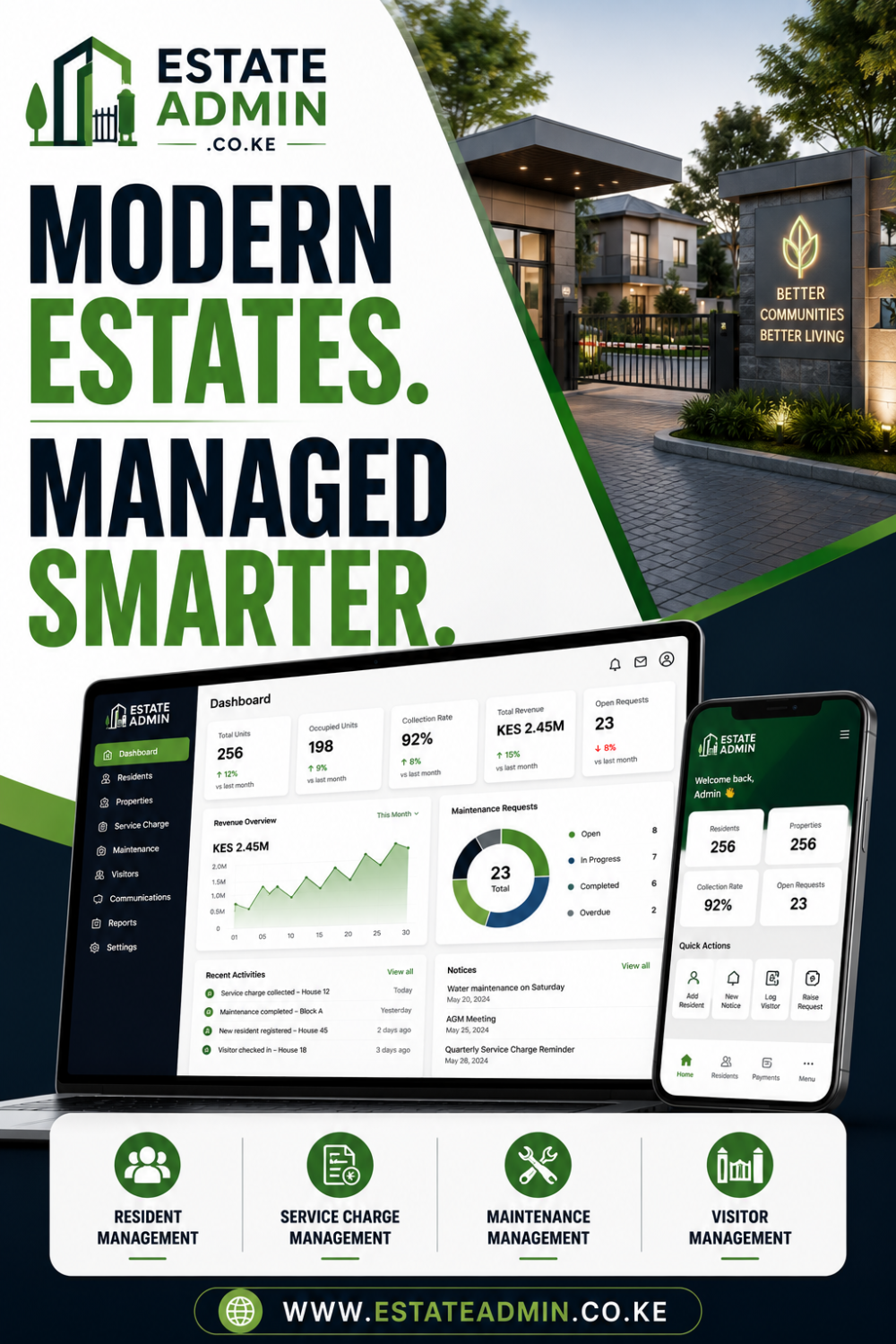
Ministry Website solutions help churches, ministries, faith-based organizations, missionary groups, Christian fellowships, and religious institutions establish a strong online presence while improving communication, member engagement, event management, online giving, and ministry administration. As churches across Kenya increasingly embrace digital transformation, relying solely on physical announcements, printed bulletins, and manual communication often results in missed updates, limited outreach, and reduced member engagement. A modern Ministry Website provides a centralized digital platform where ministries can share their vision, communicate with members, manage activities, and reach people worldwide.
A ministry website is much more than an online brochure. Churches need a platform that supports sermon publishing, event calendars, ministry departments, online donations, prayer requests, volunteer registration, church news, member resources, and visitor engagement. Ministry Website solutions integrate these features into one professional platform that strengthens ministry operations while expanding digital outreach.
Many ministries still depend on outdated websites that are difficult to update, slow to load, or inaccessible on mobile devices. Others rely entirely on social media, limiting ownership of their digital presence. Professional Ministry Website solutions provide a secure, mobile-friendly, and easy-to-manage website that becomes the central hub for all ministry communication and engagement.
Modern ministries often oversee multiple departments, church branches, youth ministries, children’s ministries, missions, conferences, Bible study groups, outreach programs, and volunteer teams. A comprehensive Ministry Website helps administrators organize information, publish updates, manage registrations, and provide members with easy access to important resources.
Across Kenya, churches of every size are investing in professional websites to strengthen communication, attract new visitors, improve member engagement, and support online ministry. Professional Ministry Website solutions enable churches to share sermons, livestream services, collect online offerings, register event participants, and communicate with members efficiently.
Manual communication methods often result in inconsistent announcements, missed event registrations, and limited engagement. Modern Ministry Website platforms integrate announcements, event management, online giving, contact forms, newsletters, media galleries, and ministry resources into one centralized digital platform. This improves communication while supporting long-term ministry growth.
Whether serving a local congregation, a national ministry, or an international faith organization, implementing a professional Ministry Website enables churches to strengthen their online presence, improve administration, increase member engagement, and expand their ministry impact.
Table of Contents
- Understanding Ministry Website
- Why Every Ministry Needs a Website
- Core Features of a Ministry Website
- Managing Church Communication
- Online Giving and Member Engagement
- Reporting and Website Analytics
- Improving Ministry Operations
- Security and Website Protection
- Applications Across Different Ministries
Understanding Ministry Website
A Ministry Website provides churches and faith organizations with a centralized online platform for communicating with members, sharing ministry activities, and managing digital engagement.
Instead of relying only on social media or printed notices, ministries can publish announcements, sermons, event information, prayer requests, and ministry updates from one professional website.
As digital communication becomes increasingly important, ministry websites have become essential tools for church growth and outreach.
Why Every Ministry Needs a Website
A professional Ministry Website strengthens communication while helping churches reach both existing members and new visitors.
Benefits include:
- Improved church visibility
- Better member communication
- Online event registration
- Sermon publishing
- Online giving
- Volunteer recruitment
- Ministry promotion
- Increased community outreach
A professional website strengthens both local ministry and global digital evangelism.
Core Features of a Ministry Website
Modern Ministry Website platforms include everything churches need to manage their online presence.
Core features include:
- Homepage management
- Church information pages
- Sermon library
- Event calendar
- Online giving
- Prayer request forms
- Volunteer registration
- Ministry departments
- News and announcements
- Media galleries
- Contact forms
- Blog management
- Livestream integration
- Mobile responsiveness
- Search engine optimization (SEO)
These features help churches communicate effectively while improving member engagement.
Managing Church Communication
Consistent communication strengthens ministry relationships. Ministry Website solutions make it easy to publish and update church information.
Administrators can manage:
- Church announcements
- Weekly bulletins
- Event updates
- Ministry schedules
- Service times
- Leadership profiles
- Department information
- Community outreach programs
- Mission activities
- Contact information
Centralized communication ensures members always have access to accurate and up-to-date information.
Online Giving and Member Engagement
Digital engagement allows members to stay connected throughout the week. Ministry Website platforms provide multiple tools that encourage participation.
Key capabilities include:
- Online donations
- Prayer request submissions
- Event registration
- Newsletter subscriptions
- Volunteer sign-up
- Ministry resources
- Visitor contact forms
- Member engagement tools
These features strengthen relationships while making ministry participation more convenient.
Reporting and Website Analytics
Understanding website performance helps ministries improve digital outreach. Ministry Website platforms provide useful insights into visitor engagement.
Reports include:
- Website traffic
- Visitor demographics
- Popular pages
- Event registrations
- Donation activity
- Sermon views
- Contact form submissions
- Engagement statistics
- Mobile usage
- Content performance
Analytics help ministry leaders improve communication and outreach strategies.
Improving Ministry Operations
Automation reduces administrative work while improving communication consistency. Ministry Website platforms automate many routine digital tasks.
Automation includes:
- Event confirmations
- Email notifications
- Donation receipts
- Newsletter distribution
- Content scheduling
- Form responses
- Volunteer confirmations
- Website backups
Automation saves time while improving member experiences.
Security and Website Protection
Church websites store valuable ministry information that must remain secure. Ministry Website solutions incorporate enterprise-grade security features to protect both administrators and visitors.
Security capabilities include:
- SSL encryption
- Secure administrator login
- Role-based permissions
- Website backups
- Malware protection
- Activity logging
- Spam prevention
- Secure online forms
Strong security helps maintain trust while protecting ministry information.
Applications Across Different Ministries
Ministry Website solutions support a wide range of faith-based organizations.
- Local churches strengthen communication.
- Christian ministries expand outreach.
- Mission organizations share global initiatives.
- Youth ministries promote programs.
- Bible schools provide educational resources.
- Christian conferences manage registrations.
- Faith-based charities engage supporters.
For ministries seeking a complete digital platform, ChurchesAdmin provides professional Ministry Website solutions that integrate church administration, member management, event registration, online giving, communication tools, volunteer management, reporting, and ministry resources into one centralized platform. Churches across Kenya benefit from improved engagement, stronger communication, and sustainable digital ministry growth.
Benefits of Ministry Website for Different Stakeholders
Ministry Website benefits every group involved in church and ministry activities. Church leaders gain better communication tools, ministry administrators simplify daily operations, volunteers coordinate activities more efficiently, members stay informed and engaged, while visitors can easily learn about the church and participate in ministry programs. By centralizing communication and digital services, Ministry Website improves ministry effectiveness, strengthens member engagement, and supports sustainable church growth.
As churches and ministries across Kenya continue embracing digital technology, implementing Ministry Website enables organizations to reach more people, improve administration, and provide meaningful online experiences for members and visitors alike.
Church Leaders
Church leaders require reliable communication channels to guide the congregation and oversee ministry activities. Ministry Website provides a professional platform for sharing sermons, announcements, ministry updates, and church vision.
Key benefits include:
- Better communication
- Greater ministry visibility
- Improved community outreach
- Easier sermon publishing
- Enhanced leadership transparency
- Better event promotion
- Stronger member engagement
- Sustainable ministry growth
A centralized website enables leaders to communicate consistently while expanding their ministry impact.
Ministry Administrators
Managing ministry information manually consumes valuable time and often results in outdated communication. Ministry Website provides one centralized platform for managing all website content.
Administrators can:
- Publish announcements
- Update event calendars
- Manage ministry departments
- Upload sermons
- Respond to enquiries
- Manage volunteer registrations
- Publish newsletters
- Update church information
Centralized website management improves productivity while reducing administrative work.
Volunteers
Volunteers play an essential role in church activities and community outreach.
Benefits include:
- Online volunteer registration
- Ministry schedules
- Event assignments
- Team communication
- Training resources
- Activity updates
- Service reminders
- Better coordination
Improved communication enables volunteers to serve more effectively.
Church Members
Members benefit from convenient access to church information at any time.
Using Ministry Website, members can:
- Watch sermons
- Register for events
- Submit prayer requests
- Give online
- Read announcements
- Access ministry resources
- Contact church leaders
- Stay informed
Digital engagement strengthens participation throughout the week, not just during church services.
Visitors
A church website often creates the first impression for new visitors.
Visitors benefit through:
- Easy access to service times
- Church location information
- Leadership introductions
- Ministry descriptions
- Event registration
- Online contact forms
- Frequently asked questions
- Visitor resources
A professional website makes visitors feel welcome before they even attend a service.
Improving Efficiency Through Automation
Automation reduces repetitive administrative tasks while improving communication consistency. Ministry Website automates routine activities that support daily ministry operations.
Automated Event Management
Church events become easier to organize.
Automation includes:
- Event registration
- Confirmation emails
- Attendance reminders
- Calendar updates
- Registration tracking
- Volunteer assignments
- Event notifications
- Participant management
Automation simplifies event planning while improving participation.
Automated Communication
Communication becomes faster and more consistent.
Automation supports:
- Email newsletters
- Announcement publishing
- Prayer request notifications
- Visitor follow-ups
- Volunteer reminders
- Ministry updates
- Sermon notifications
- Contact form responses
Automated communication keeps members informed without increasing administrative workload.
Automated Online Giving
Financial contributions become more convenient.
Automation includes:
- Donation confirmations
- Digital receipts
- Giving history
- Payment notifications
- Recurring giving options
- Contribution tracking
- Financial summaries
- Donor communication
Online giving improves convenience while supporting ministry sustainability.
Automated Website Management
Website administration becomes more efficient.
Automation includes:
- Scheduled content publishing
- Automatic backups
- Security monitoring
- Form processing
- Spam filtering
- Media optimization
- Performance monitoring
- Software updates
Automation improves reliability while reducing maintenance work.
Compliance, Security and Data Protection
Churches manage sensitive member and financial information that requires strong protection. Ministry Website incorporates enterprise-grade security measures to safeguard ministry operations.
Role-Based User Permissions
Different ministry leaders require different access levels.
Typical user roles include:
- Senior Pastor
- Church Administrator
- Ministry Leaders
- Finance Officers
- Media Team
- Website Administrators
Role-based permissions ensure sensitive information is accessible only to authorized users.
Secure Ministry Information
The platform securely stores:
- Member enquiries
- Prayer requests
- Donation records
- Volunteer information
- Event registrations
- Website content
- Media resources
- Communication records
Secure information management protects ministry data while maintaining trust.
Audit Trails
Every administrative activity is recorded automatically.
Audit logs include:
- Content updates
- User logins
- Donation processing
- Event creation
- Form submissions
- Administrative changes
Comprehensive audit trails improve accountability while simplifying website administration.
Backup and Disaster Recovery
Reliable ministry communication depends on dependable data protection.
Professional platforms provide:
- Automated backups
- Secure cloud storage
- Website restoration
- Disaster recovery procedures
- Historical content recovery
These protections ensure ministry information remains available even during unexpected situations.
Reducing Operational Risks
Professional Ministry Website helps organizations reduce risks such as:
- Lost website content
- Communication delays
- Security threats
- Spam submissions
- Missed event registrations
- Unauthorized administrator access
Reliable automation improves website stability while protecting ministry operations.
Why ChurchesAdmin is the Ideal Ministry Website Solution
Building a successful church website requires more than attractive design. Ministries need a platform that integrates website management with church administration, member management, event registration, communication, online giving, volunteer coordination, and ministry reporting.
ChurchesAdmin provides comprehensive Ministry Website capabilities for churches, ministries, Christian organizations, missionary groups, Bible schools, conferences, and faith-based institutions across Kenya.
Core capabilities include:
- Professional ministry website
- Member management
- Event registration
- Online giving
- Sermon management
- Volunteer coordination
- Prayer request management
- Church announcements
- Ministry departments
- Communication tools
- Reporting dashboards
- Role-based access control
Whether serving a small congregation or a large multi-campus ministry, ChurchesAdmin provides scalable tools that strengthen communication, improve administration, and support long-term ministry growth.
Future Trends in Ministry Website
Church technology continues evolving, and Ministry Website solutions will increasingly incorporate intelligent technologies that improve engagement and digital ministry.
Artificial Intelligence
AI-powered ministry platforms will support:
- Sermon recommendations
- Automated content creation
- Visitor engagement insights
- Ministry analytics
- Intelligent member communication
Artificial intelligence will help churches expand their digital ministry more effectively.
Mobile-First Ministry
Future websites will prioritize:
- Faster mobile performance
- Mobile giving
- Event registration
- Prayer request submissions
- Responsive ministry resources
Mobile experiences will become the primary way members interact with churches online.
Livestream Integration
Future ministry websites will provide:
- Live church services
- On-demand sermon libraries
- Interactive worship experiences
- Online Bible studies
- Virtual conferences
Digital ministry will continue expanding beyond physical church buildings.
Advanced Analytics
Future systems will deliver:
- Visitor behaviour insights
- Member engagement analysis
- Donation trends
- Event participation reports
- Ministry growth dashboards
Analytics will help church leaders make better strategic decisions.
Greater Automation
Future Ministry Website solutions will automate:
- Member communication
- Event reminders
- Volunteer scheduling
- Online giving confirmations
- Content publishing
Automation will continue improving efficiency while reducing administrative work.
Getting Started with Ministry Website
Implementing Ministry Website begins with identifying your ministry’s communication goals, organizing church information, preparing sermon archives, collecting ministry department details, creating event calendars, and gathering photos, videos, and other digital resources. Churches should also define leadership roles, establish branding, and prepare online giving and contact information before launching the website.
The next step involves configuring user accounts, creating ministry pages, publishing sermons, enabling online giving, setting up event registration, configuring contact forms, optimizing the website for search engines, integrating social media platforms, and training administrators and media teams on content management.
After launch, church leaders should regularly update announcements, publish sermons, promote ministry events, monitor website performance, respond to visitor enquiries, review engagement reports, and continuously improve the website based on member feedback. For churches and ministries throughout Kenya, adopting Ministry Website provides a scalable foundation for improving communication, expanding outreach, strengthening member engagement, and supporting long-term ministry growth.
Conclusion
A professional church website is no longer optional—it is an essential ministry tool. Traditional communication methods alone often limit outreach, reduce engagement, and make information difficult to access. Ministry Website enables churches to centralize communication, automate routine administrative tasks, improve online engagement, and strengthen relationships with members and visitors.
By integrating announcements, sermons, event management, online giving, volunteer coordination, member communication, prayer requests, and ministry resources into one centralized platform, churches can improve operational efficiency while expanding their digital ministry. This enables ministry leaders to reach more people, strengthen discipleship, and build stronger faith communities.
Whether serving a local congregation, a growing ministry, a Christian organization, or a national church network, organizations that implement Ministry Website position themselves for long-term digital success. With ChurchesAdmin, churches across Kenya can confidently modernize their online presence, improve ministry administration, and create meaningful digital experiences that support their mission and vision.
Benefits of Ministry Website for Different Stakeholders
Ministry Website benefits every group involved in church and ministry activities. Church leaders gain better communication tools, ministry administrators simplify daily operations, volunteers coordinate activities more efficiently, members stay informed and engaged, while visitors can easily learn about the church and participate in ministry programs. By centralizing communication and digital services, Ministry Website improves ministry effectiveness, strengthens member engagement, and supports sustainable church growth.
As churches and ministries across Kenya continue embracing digital technology, implementing Ministry Website enables organizations to reach more people, improve administration, and provide meaningful online experiences for members and visitors alike.
Church Leaders
Church leaders require reliable communication channels to guide the congregation and oversee ministry activities. Ministry Website provides a professional platform for sharing sermons, announcements, ministry updates, and church vision.
Key benefits include:
- Better communication
- Greater ministry visibility
- Improved community outreach
- Easier sermon publishing
- Enhanced leadership transparency
- Better event promotion
- Stronger member engagement
- Sustainable ministry growth
A centralized website enables leaders to communicate consistently while expanding their ministry impact.
Ministry Administrators
Managing ministry information manually consumes valuable time and often results in outdated communication. Ministry Website provides one centralized platform for managing all website content.
Administrators can:
- Publish announcements
- Update event calendars
- Manage ministry departments
- Upload sermons
- Respond to enquiries
- Manage volunteer registrations
- Publish newsletters
- Update church information
Centralized website management improves productivity while reducing administrative work.
Volunteers
Volunteers play an essential role in church activities and community outreach.
Benefits include:
- Online volunteer registration
- Ministry schedules
- Event assignments
- Team communication
- Training resources
- Activity updates
- Service reminders
- Better coordination
Improved communication enables volunteers to serve more effectively.
Church Members
Members benefit from convenient access to church information at any time.
Using Ministry Website, members can:
- Watch sermons
- Register for events
- Submit prayer requests
- Give online
- Read announcements
- Access ministry resources
- Contact church leaders
- Stay informed
Digital engagement strengthens participation throughout the week, not just during church services.
Visitors
A church website often creates the first impression for new visitors.
Visitors benefit through:
- Easy access to service times
- Church location information
- Leadership introductions
- Ministry descriptions
- Event registration
- Online contact forms
- Frequently asked questions
- Visitor resources
A professional website makes visitors feel welcome before they even attend a service.
Improving Efficiency Through Automation
Automation reduces repetitive administrative tasks while improving communication consistency. Ministry Website automates routine activities that support daily ministry operations.
Automated Event Management
Church events become easier to organize.
Automation includes:
- Event registration
- Confirmation emails
- Attendance reminders
- Calendar updates
- Registration tracking
- Volunteer assignments
- Event notifications
- Participant management
Automation simplifies event planning while improving participation.
Automated Communication
Communication becomes faster and more consistent.
Automation supports:
- Email newsletters
- Announcement publishing
- Prayer request notifications
- Visitor follow-ups
- Volunteer reminders
- Ministry updates
- Sermon notifications
- Contact form responses
Automated communication keeps members informed without increasing administrative workload.
Automated Online Giving
Financial contributions become more convenient.
Automation includes:
- Donation confirmations
- Digital receipts
- Giving history
- Payment notifications
- Recurring giving options
- Contribution tracking
- Financial summaries
- Donor communication
Online giving improves convenience while supporting ministry sustainability.
Automated Website Management
Website administration becomes more efficient.
Automation includes:
- Scheduled content publishing
- Automatic backups
- Security monitoring
- Form processing
- Spam filtering
- Media optimization
- Performance monitoring
- Software updates
Automation improves reliability while reducing maintenance work.
Compliance, Security and Data Protection
Churches manage sensitive member and financial information that requires strong protection. Ministry Website incorporates enterprise-grade security measures to safeguard ministry operations.
Role-Based User Permissions
Different ministry leaders require different access levels.
Typical user roles include:
- Senior Pastor
- Church Administrator
- Ministry Leaders
- Finance Officers
- Media Team
- Website Administrators
Role-based permissions ensure sensitive information is accessible only to authorized users.
Secure Ministry Information
The platform securely stores:
- Member enquiries
- Prayer requests
- Donation records
- Volunteer information
- Event registrations
- Website content
- Media resources
- Communication records
Secure information management protects ministry data while maintaining trust.
Audit Trails
Every administrative activity is recorded automatically.
Audit logs include:
- Content updates
- User logins
- Donation processing
- Event creation
- Form submissions
- Administrative changes
Comprehensive audit trails improve accountability while simplifying website administration.
Backup and Disaster Recovery
Reliable ministry communication depends on dependable data protection.
Professional platforms provide:
- Automated backups
- Secure cloud storage
- Website restoration
- Disaster recovery procedures
- Historical content recovery
These protections ensure ministry information remains available even during unexpected situations.
Reducing Operational Risks
Professional Ministry Website helps organizations reduce risks such as:
- Lost website content
- Communication delays
- Security threats
- Spam submissions
- Missed event registrations
- Unauthorized administrator access
Reliable automation improves website stability while protecting ministry operations.
Why ChurchesAdmin is the Ideal Ministry Website Solution
Building a successful church website requires more than attractive design. Ministries need a platform that integrates website management with church administration, member management, event registration, communication, online giving, volunteer coordination, and ministry reporting.
ChurchesAdmin provides comprehensive Ministry Website capabilities for churches, ministries, Christian organizations, missionary groups, Bible schools, conferences, and faith-based institutions across Kenya.
Core capabilities include:
- Professional ministry website
- Member management
- Event registration
- Online giving
- Sermon management
- Volunteer coordination
- Prayer request management
- Church announcements
- Ministry departments
- Communication tools
- Reporting dashboards
- Role-based access control
Whether serving a small congregation or a large multi-campus ministry, ChurchesAdmin provides scalable tools that strengthen communication, improve administration, and support long-term ministry growth.
Future Trends in Ministry Website
Church technology continues evolving, and Ministry Website solutions will increasingly incorporate intelligent technologies that improve engagement and digital ministry.
Artificial Intelligence
AI-powered ministry platforms will support:
- Sermon recommendations
- Automated content creation
- Visitor engagement insights
- Ministry analytics
- Intelligent member communication
Artificial intelligence will help churches expand their digital ministry more effectively.
Mobile-First Ministry
Future websites will prioritize:
- Faster mobile performance
- Mobile giving
- Event registration
- Prayer request submissions
- Responsive ministry resources
Mobile experiences will become the primary way members interact with churches online.
Livestream Integration
Future ministry websites will provide:
- Live church services
- On-demand sermon libraries
- Interactive worship experiences
- Online Bible studies
- Virtual conferences
Digital ministry will continue expanding beyond physical church buildings.
Advanced Analytics
Future systems will deliver:
- Visitor behaviour insights
- Member engagement analysis
- Donation trends
- Event participation reports
- Ministry growth dashboards
Analytics will help church leaders make better strategic decisions.
Greater Automation
Future Ministry Website solutions will automate:
- Member communication
- Event reminders
- Volunteer scheduling
- Online giving confirmations
- Content publishing
Automation will continue improving efficiency while reducing administrative work.
Getting Started with Ministry Website
Implementing Ministry Website begins with identifying your ministry’s communication goals, organizing church information, preparing sermon archives, collecting ministry department details, creating event calendars, and gathering photos, videos, and other digital resources. Churches should also define leadership roles, establish branding, and prepare online giving and contact information before launching the website.
The next step involves configuring user accounts, creating ministry pages, publishing sermons, enabling online giving, setting up event registration, configuring contact forms, optimizing the website for search engines, integrating social media platforms, and training administrators and media teams on content management.
After launch, church leaders should regularly update announcements, publish sermons, promote ministry events, monitor website performance, respond to visitor enquiries, review engagement reports, and continuously improve the website based on member feedback. For churches and ministries throughout Kenya, adopting Ministry Website provides a scalable foundation for improving communication, expanding outreach, strengthening member engagement, and supporting long-term ministry growth.
Conclusion
A professional church website is no longer optional—it is an essential ministry tool. Traditional communication methods alone often limit outreach, reduce engagement, and make information difficult to access. Ministry Website enables churches to centralize communication, automate routine administrative tasks, improve online engagement, and strengthen relationships with members and visitors.
By integrating announcements, sermons, event management, online giving, volunteer coordination, member communication, prayer requests, and ministry resources into one centralized platform, churches can improve operational efficiency while expanding their digital ministry. This enables ministry leaders to reach more people, strengthen discipleship, and build stronger faith communities.
Whether serving a local congregation, a growing ministry, a Christian organization, or a national church network, organizations that implement Ministry Website position themselves for long-term digital success. With ChurchesAdmin, churches across Kenya can confidently modernize their online presence, improve ministry administration, and create meaningful digital experiences that support their mission and vision.