Empower Your Ministry with Fast & Secure Church Admin Management Platform 24X7

Church Admin Management Platform

Unleash the Full Potential of Your Ministry with Church Admin

Church Admin is a modern digital solution tailored to meet the administrative needs of churches of all sizes. Our platform is built to help ministries elevate their operational efficiency while deepening their connection with members. From managing attendance to organizing events and tracking donations, Church Admin empowers you to lead with clarity and focus.

In today’s digital age, running a ministry goes beyond Sunday services—it involves data management, financial tracking, volunteer scheduling, and consistent communication. Church Admin offers a centralized system to streamline all of these tasks, giving your team more time to focus on spiritual growth and community impact.

Church Admin Management

Why Church Admin Is Essential for Today’s Ministries

Managing a church requires coordination across many fronts—people, programs, schedules, and budgets. Traditional methods like spreadsheets, notebooks, or standalone apps often lead to miscommunication, duplication of work, and loss of vital information.

Here’s how Church Admin makes a difference:

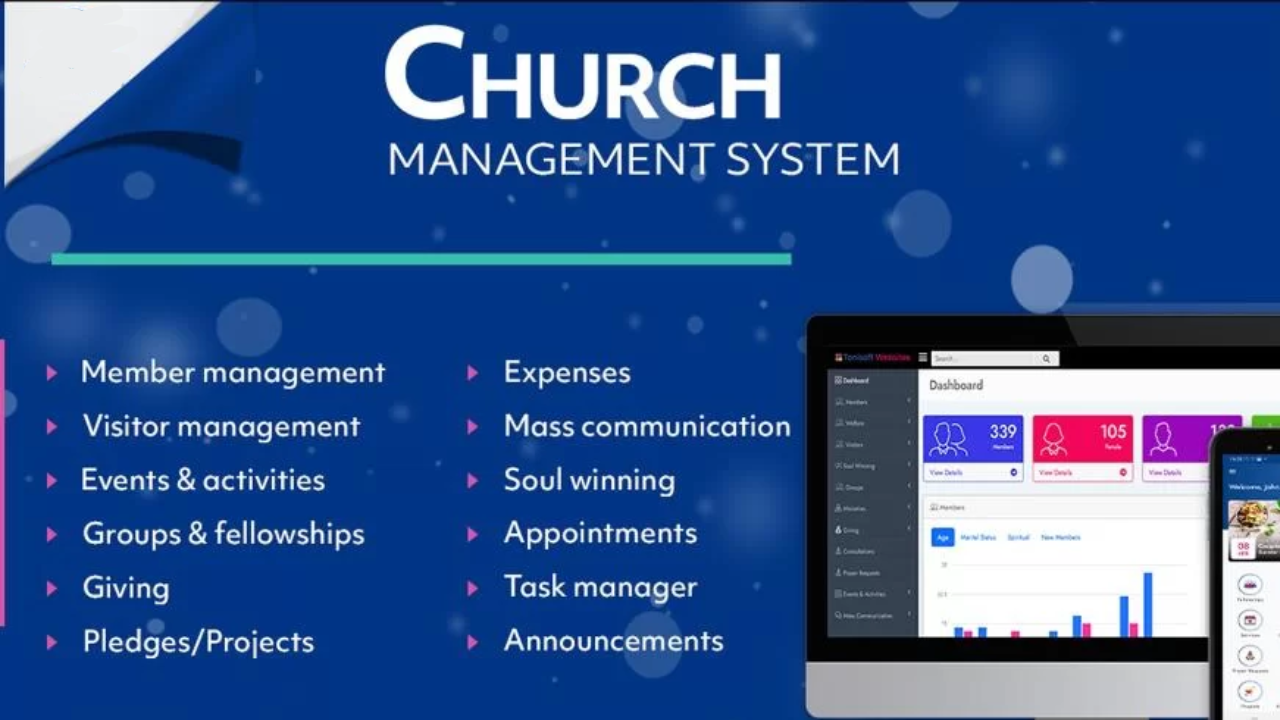
  • ✅ Centralized Data Access: Store and retrieve member profiles, attendance logs, and donations from one secure dashboard.
  • ✅ Task Automation: Reduce administrative burden by automating recurring tasks such as sending reminders, updating reports, or registering events.
  • ✅ Real-Time Insights: Use data-driven reports to identify trends, improve resource allocation, and make informed decisions.
  • ✅ Customizable Features: Tailor Church Admin to suit your church’s unique needs, whether you’re a local parish or a growing megachurch.

Church Admin Management

All-in-One Church Management Features

Church Admin combines several tools into one unified platform. Here’s what’s under the hood:

🔹 Member & Volunteer Management

Track member attendance, manage new registrations, and assign roles to volunteers with ease.

🔹 Event & Schedule Coordination

Organize church events, meetings, and services while sending reminders to members. Use shared calendars and automated notifications.

🔹 Finance Tracking & Reporting

Monitor donations, tithes, pledges, and expenses. Generate financial statements and budget reports without spreadsheets.

🔹 Communication Tools

Send SMS or email updates to groups or individuals. Automate weekly newsletters or prayer requests with personalization options.

🔹 Role-Based Access

Control who sees what. Grant different levels of access for pastors, admins, finance officers, and volunteers.

🔹 Data Security & Backup

Your church’s data is protected with 256-bit SSL encryption and daily backups, ensuring maximum security and minimal risk.


How Church Admin Enhances Engagement

Churches thrive when communities are well-connected. Church Admin doesn’t just help you manage tasks—it helps build relationships.

  • 📩 Engage with Intention: Use built-in messaging tools to stay in touch with members. Celebrate birthdays, share updates, and notify about upcoming programs.
  • 🤝 Empower Small Groups: Assign leaders, track group meetings, and share resources to grow your small group ministries.
  • 📊 Follow Up with Visitors: Automatically log new visitors and set reminders for personalized follow-up.
  • 🎉 Encourage Participation: Boost volunteer involvement by simplifying scheduling and providing clear role descriptions.

Meet Our Expert Support Team

Church Admin is powered by a team of dedicated experts—engineers, designers, support reps, and church consultants—working round the clock to serve ministries worldwide.

🧠 Who We Are:

  • Tech professionals with experience in nonprofit solutions
  • Church leaders and community developers
  • Customer service agents available 24/7 for personalized assistance

We don’t just offer software—we offer support that understands the heart of ministry.

What Our Users Say

“Since switching to Church Admin, managing our Sunday services and mid-week events has never been easier! The reporting features alone have saved us hours each month.” – Pastor L. Wambua, Nairobi

“I love how everything is in one place. I can track finances, schedule events, and communicate with my members all from my dashboard.” – Rev. Grace Mwikali

“Church Admin helped us go digital effortlessly. Our teams are now more organized and connected.” – Youth Leader, Kisumu

Start Transforming Your Church Today

Join thousands of churches already using Church Admin to simplify their operations, save time, and build stronger congregations. Whether you’re a small fellowship or a large ministry, our platform adapts to your growth.

Take a tour today and discover how effortless church management can be.

🔗 Ready to elevate your ministry? Sign up now or request a free demo of Church Admin.

Together, let’s move your ministry forward—efficiently, securely, and faithfully.

Church Membership Management

Church Membership Management
What Is Church Membership Management?

Church membership management is the process of organizing, tracking, and nurturing every person connected to your ministry—from first-time visitors to long-standing members. A dedicated church membership management solution helps you:

  • Store detailed contact information and family relationships

  • Record attendance at services, small groups, and special events

  • Track spiritual milestones (baptisms, confirmations, volunteer hours)

  • Segment members for personalized follow-up and care

Why Your Church Needs Robust Membership Management

  1. Deepen Community Connections
    With a centralized member database, your staff and volunteers can quickly see who’s new, who hasn’t attended in a while, and who’s ready for their next step in discipleship. Effective church membership management fosters follow-up workflows that turn guests into engaged members.

  2. Streamline Administrative Tasks
    Eliminate duplicate spreadsheets and manual data entry. Automated tools let you import existing lists, merge duplicates, and keep everyone’s record up to date. Spend less time on paperwork and more time on pastoral care.

  3. Improve Pastoral Care
    Tag members by life stage, small group, or ministry involvement. Send targeted emails and SMS reminders for birthdays, anniversaries, volunteer shifts, or prayer requests. A strong church membership management system ensures no one falls through the cracks.

  4. Data-Driven Ministry Growth
    Generate real-time reports on membership growth, retention rates, and engagement trends. Use dashboards to spot opportunities—like identifying neighborhoods ready for a new small group or volunteers needing additional training.

Key Features for Powerful Church Membership Management

  • Custom Profiles: Capture notes on prayers, preferences, and involvement history.

  • Attendance Tracking: Check-in members via kiosks or mobile app and see trends over time.

  • Interaction Logs: Record pastoral visits, outreach calls, and care notes in one place.

  • Groups & Teams: Organize members into small groups, ministries, or serving teams.

  • Automated Workflows: Trigger welcome emails, follow-up tasks, and anniversary reminders.

How ChurchesAdmin.com Elevates Your Membership Management

At ChurchesAdmin.com, our church membership management module is designed to be intuitive and scalable:

  • Cloud-Based Access: View and update member records from any device.

  • Security & Privacy: GDPR-compliant data handling and role-based permissions.

  • Integrations: Sync with your church website, email platform, and giving tools.

  • Support & Training: Step-by-step setup assistance and on-demand tutorials.

Ready to Transform Your Member Care?

A thriving congregation begins with intentional, data-driven church membership management.
Request your free demo today at
▶️ ChurchesAdmin.com/demo
and see how easy it can be to connect, care for, and grow your church family!

Implementation Guide for Church Membership Management

  1. Assess Your Needs

    • Identify key data points: contact info, family links, spiritual milestones.

    • Map existing processes: how do you currently capture visitor information, log attendance, and follow up?

  2. Choose the Right Platform

    • Look for a church membership management solution with customizable fields and automated workflows.

    • Ensure it offers secure, cloud-based access so leaders can update records from the office or on the go.

  3. Data Migration & Cleanup

    • Import member lists from spreadsheets, bulletins, or previous software.

    • Use deduplication tools to merge repeat entries and standardize address formats.

  4. Configure Workflows

    • Automate welcome emails for new guests.

    • Set up anniversary reminders for baptism, confirmation, or membership milestones.

    • Create alerts for pastoral follow-up when attendance drops below a set threshold.

  5. Train Your Team

    • Provide hands-on workshops for staff and volunteers.

    • Share short video tutorials on adding notes, checking in members, and generating reports.

    • Establish clear roles and permissions to protect sensitive member data.

  6. Launch & Refine

    • Roll out your church membership management system in phases—start with one small group or ministry.

    • Collect feedback, fix any issues, and then expand church-wide.

    • Review system usage monthly and adjust workflows or training as needed.


Best Practices for Effective Membership Care

  • Keep Data Current: Encourage members to update their profiles via a secure portal or mobile app.

  • Segment Thoughtfully: Use tags for life stage (youth, young adults, seniors), ministry involvement, and location to tailor communications.

  • Leverage Automation: Save staff time by automating routine follow-ups—birthday greetings, event reminders, and lapsed attendance nudges.

  • Ensure Privacy: Limit access to personal notes and prayer requests; only authorized leaders should view sensitive information.

  • Analyze Engagement: Regularly review retention rates, average attendance per member, and small-group growth to inform discipleship strategies.


Measuring Success

Track these key metrics to gauge how well your church membership management is working:

Metric Why It Matters
New Member Conversion Rate Percentage of visitors who become registered members
Attendance Consistency Number of members attending regularly vs. sporadically
Small Group Participation Growth in groups as a sign of deeper community engagement
Volunteer Engagement Rate Active volunteers relative to total membership
Data Completeness Score Percentage of member profiles with all key fields filled

Frequently Asked Questions

Q: Can I manage multiple campuses in one system?
Yes—choose a church membership management platform that supports multi-campus tagging and campus-specific workflows.

Q: How do I protect member privacy?
Implement role-based permissions, SSL encryption, and GDPR-style consent tracking to ensure data stays secure and compliant.

Q: Is training required?
Most teams pick up the basics in a 1–2 hour workshop; ongoing support and video guides help bring volunteers up to speed.

Q: Can members update their own information?
Look for self-service portals or mobile app features that allow secure profile edits, reducing administrative overhead.

Ready to Elevate Your Member Care?

A strong church membership management strategy deepens relationships, improves follow-up, and frees your team to focus on ministry. At ChurchesAdmin.com, we make it simple:

  1. Book a Personalized Demo

  2. Import Your Existing Data

  3. Automate Your Welcome & Follow-Up Workflows

  4. Watch Your Community Thrive

▶️ Get started now at ChurchesAdmin.com/demo and see why hundreds of churches trust us for their membership management needs.

Church Management System

Church Management System

In today’s digitally driven world, churches face the challenge of managing membership records, events, donations, and communications—all while maintaining a personal touch with their congregation. A robust church management system can streamline these tasks, freeing up pastoral and administrative teams to focus on ministry and outreach. At ChurchesAdmin.com, we provide an all-in-one solution designed to simplify your church’s operations, enhance community engagement, and foster spiritual growth.

Why Your Church Needs a Modern Church Management System

  1. Centralized Member Database
    Manually tracking member details, attendance, and involvement across spreadsheets is time-consuming and error-prone. Our church management system offers a secure, cloud-based member directory where you can:

    • Store contact information, family relationships, and pastoral notes

    • Track attendance history by service, small group, or event

    • Segment members for targeted communication and follow-up

  2. Seamless Online Giving & Finance
    Encouraging generosity is easier when giving is convenient. ChurchesAdmin.com integrates:

    • Online tithes and offerings via credit/debit cards, bank transfers, and mobile money

    • Automated recurring giving options for members

    • Real-time financial dashboards and exportable reports

  3. Efficient Event & Volunteer Management
    Coordinating services, classes, and outreach activities can be complex. With our system, you can:

    • Create event pages with registration forms and automated reminders

    • Schedule volunteers, assign roles, and track service hours

    • Publish calendars on your church website and mobile app

  4. Powerful Communication Tools
    Meaningful connection requires clear, timely communication. Our platform enables you to:

    • Send targeted emails, SMS, and push notifications to groups or individuals

    • Publish newsletters and announcements directly from the dashboard

    • Engage your congregation through sermon archives and media libraries

  5. Small Group & Ministry Oversight
    From children’s ministry to adult Bible studies, managing multiple ministries is simplified:

    • Register participants and leaders

    • Track attendance and group growth metrics

    • Share resources and lesson plans securely

Key Features of Our Church Management System

1. User-Friendly Dashboard

A clean, intuitive interface provides at-a-glance insights into your church’s health—attendance trends, giving statistics, and upcoming events—so you can make data-driven decisions.

2. Secure Cloud Hosting

Your data is protected with enterprise-grade security and daily backups. Access your church management system from any device, anywhere, at any time.

3. Customizable Workflows

Every church is unique. ChurchesAdmin.com offers configurable workflows for:

  • Member onboarding and follow-up

  • Event approvals and volunteer sign-ups

  • Financial approvals and budget tracking

4. Mobile App Integration

Extend your system’s reach with a branded mobile app:

  • Members can update profiles, register for events, and give tithes on the go

  • Push notifications keep your community informed and engaged

5. Reporting & Analytics

Generate comprehensive reports on:

  • Attendance by service, group, or demographic

  • Giving summaries and fund balances

  • Volunteer engagement over time

Benefits You’ll Experience

  • Time Savings: Automate administrative tasks and reduce manual data entry by up to 70%.

  • Improved Engagement: Target communications to the right people at the right time.

  • Enhanced Stewardship: Increase giving through convenient online and mobile giving options.

  • Scalable Growth: Support congregations of any size—whether 50 or 5,000 members.

  • Peace of Mind: Count on secure, reliable technology backed by 24/7 support.

Getting Started with ChurchesAdmin.com

  1. Request a Demo
    Experience our church management system firsthand. Schedule a personalized walkthrough at ChurchesAdmin.com/demo.

  2. Data Migration & Setup
    Our team will assist you in importing your existing member and financial data, configuring settings, and training your staff.

  3. Launch & Support
    Go live in days—not months. Enjoy ongoing support, regular feature updates, and access to our online knowledge base.

Frequently Asked Questions

Q: Is ChurchesAdmin.com suitable for small churches?
Yes! Whether you’re a congregation of 50 or 5,000, our flexible pricing and modular features ensure you only pay for what you need.

Q: Can we accept mobile money donations?
Absolutely. We support popular mobile money platforms alongside credit/debit cards and bank transfers.

Q: How secure is my data?
We employ industry-standard encryption, multi-factor authentication, and daily backups to safeguard your information.

A modern church management system is more than software—it’s a ministry enabler. By automating routine tasks, enhancing communication, and providing actionable insights, ChurchesAdmin.com empowers your leadership team to focus on what matters most: serving your congregation and advancing your mission.

Ready to transform your church’s administration?
Visit ChurchesAdmin.com today and take the first step toward a more connected, efficient, and vibrant church community.

Integrations & Extensions

Modern churches rely on a suite of tools to support worship, discipleship, and outreach. A flexible church management system should integrate seamlessly with your existing ecosystem:

  • Accounting & Payroll
    Connect ChurchesAdmin.com with popular accounting packages (QuickBooks, Xero) to reconcile tithes, offerings, and expense allocations without duplicate data entry.

  • Email Marketing Platforms
    Sync member segments with Mailchimp, SendGrid, or Constant Contact for advanced campaign automation, A/B testing, and subscriber analytics.

  • Website & CMS
    Embed event calendars, online giving forms, and sermon archives directly into your church website or WordPress/Drupal CMS via secure APIs and embeddable widgets.

  • Worship Presentation Software
    Push service outlines and song lyrics to ProPresenter, EasyWorship, or MediaShout so volunteers and worship teams stay in sync with the digital bulletin every Sunday.

  • Bible Study & Discipleship Apps
    Link small group attendance and devotional tracking to platforms like YouVersion and Logos Bible Study, providing members with personalized reading plans and growth metrics.

Success Stories

“Switching to ChurchesAdmin.com was the best decision our church made this year. We reduced data entry time by 80%, doubled our online giving, and our volunteers love the streamlined sign-up process.”
— Pastor Mary N., Grace Community Church

“As a multi-campus church, we struggled to consolidate attendance and financials across locations. ChurchesAdmin.com’s cloud-based architecture gave us a unified view, helping us make smarter staffing and budget decisions.”
— Finance Director, Cornerstone Ministries

Pricing & Plans

We offer transparent, tiered pricing so you can choose the perfect plan for your congregation’s size and needs:

Plan Monthly Fee (USD) Key Features
Starter $49 Member database, attendance tracking, basic giving
Growth $99 All Starter features + events, volunteers, email
Pro $149 All Growth features + integrations, mobile app
Enterprise Custom All Pro features + dedicated support & training

Annual subscriptions save you 15% and include a complimentary onboarding package.

Implementation Timeline

  1. Week 1: Discovery & Planning

    • Stakeholder interviews

    • Data audit and mapping

  2. Week 2: Setup & Configuration

    • Account creation and security setup

    • Module activation (giving, events, groups)

  3. Week 3: Data Migration & Training

    • Import member records, giving history, and event data

    • Staff and volunteer training workshops

  4. Week 4: Go-Live & Optimization

    • System launch

    • Post-launch support and feature fine-tuning

Most churches complete setup in under 30 days, minimizing downtime and accelerating ROI.

Support & Resources

  • 24/7 Help Desk
    Live chat, email, and phone support ensure your team never faces a technical roadblock alone.

  • Knowledge Base
    Access step-by-step guides, video tutorials, and best-practice articles in our online library.

  • Community Forum
    Connect with other church leaders to share tips, ask questions, and discover innovative use cases.

  • Regular Webinars
    Join our experts for monthly training sessions on new features, advanced reporting techniques, and digital outreach strategies.

Blog & Learning Center

Stay ahead of church tech trends by visiting our Blog. Recent posts include:

  • 5 Ways to Boost Online Giving During the Holidays

  • Leveraging SMS Notifications to Increase Event Attendance

  • Case Study: How One Church Increased Volunteer Engagement by 40%

Each article is packed with actionable insights and optimized for the keyword church management system to help you find the answers you need quickly.

Ready to Elevate Your Church’s Impact?

An effective church management system is more than a productivity tool—it’s a catalyst for deeper community, greater generosity, and lasting spiritual growth. ChurchesAdmin.com combines powerful features, intuitive design, and rock-solid support to equip your staff and volunteers for ministry excellence.

Get started today:

  1. Visit our demo page at ChurchesAdmin.com/demo

  2. Choose your plan and complete a simple online sign-up

  3. Enjoy a fast, guided setup with our dedicated onboarding team

Transform how your church connects, cares, and grows—partner with ChurchesAdmin.com for a brighter tomorrow

Church Management System

The Best Church Management Software


Transform Your Congregation’s Experience with a Church Management System In Nairobi

Managing a growing congregation in a bustling city like Nairobi comes with its own set of challenges. From coordinating events and tracking member attendance to managing donations and communications, church leaders often find themselves juggling numerous administrative tasks. Fortunately, a Church Management System In Nairobi offers a comprehensive solution designed to simplify these tasks and help churches focus on what truly matters—spiritual growth and community service.


What is a Church Management System?

A Church Management System (CMS) is a digital platform that assists church leaders in managing day-to-day administrative tasks efficiently. For Nairobi churches, a Church Management System In Nairobi can handle various functions, including:

  • Member Management: Maintain up-to-date records of congregants.
  • Event Scheduling: Organize services, meetings, and community events.
  • Donation Tracking: Monitor tithes, offerings, and other contributions securely.
  • Communication: Enhance internal and external communication through email and SMS alerts.

By centralizing these functions, church administrators can save time and reduce the likelihood of errors.


Key Features of an Effective Church Management System

When searching for a Church Management System In Nairobi, consider the following essential features:

1. User-Friendly Interface

An intuitive dashboard ensures that church staff can navigate the system without a steep learning curve. A well-designed CMS simplifies tasks from attendance tracking to volunteer scheduling.

2. Comprehensive Member Database

The system should offer robust member management capabilities, enabling administrators to store detailed profiles, track attendance, and manage relationships effortlessly.

3. Financial Management Tools

Automated donation tracking, online payment integrations, and financial reporting are critical features. These tools not only ensure transparency but also help in planning and budgeting.

4. Event & Calendar Management

A unified calendar allows church leaders to schedule services, events, and community outreach programs. Automated reminders and notifications help keep everyone informed.

5. Communication & Engagement Tools

Integrated email marketing and SMS capabilities allow for timely announcements, event invitations, and crisis communication, ensuring that all members are engaged and informed.


Why Nairobi Churches Need a Dedicated Management System

Nairobi is a fast-paced urban center, and churches here face unique challenges:

  • Rapid Growth: As communities expand, managing an increasing number of members becomes complex without the right tools.
  • Diverse Communication Needs: With a mix of tech-savvy younger members and traditional older members, a versatile communication platform is essential.
  • Resource Optimization: Automating routine tasks frees up church staff to focus on community outreach and spiritual programs.
  • Enhanced Transparency: Detailed financial tracking builds trust among congregants, which is especially important in today’s digital age.

A Church Management System In Nairobi addresses these challenges head-on by providing a centralized solution that adapts to the specific needs of urban congregations.


How to Choose the Right Church Management System In Nairobi

Selecting the best CMS for your church involves evaluating several factors:

  1. Scalability: Ensure the system can grow with your church’s needs.
  2. Customization: Look for a system that offers customizable features to match your church’s specific requirements.
  3. Security: Data protection is paramount. Verify that the CMS complies with local data protection regulations and industry standards.
  4. Customer Support: Reliable support and training can make a significant difference, especially during the initial setup and onboarding phase.
  5. Cost-Effectiveness: Compare pricing models and choose a solution that offers value without compromising on essential features.

Before making a final decision, consider requesting a demo or a trial version to experience firsthand how a Church Management System In Nairobi can transform your church operations.


Success Stories: Real-World Impact

Several churches in Nairobi have already reaped the benefits of adopting a robust management system. For example:

  • Community Outreach Enhanced: One church reported a 40% increase in event participation after implementing automated reminders and online registration features.
  • Improved Financial Transparency: Another congregation experienced greater donor trust and increased contributions due to real-time financial reporting and secure payment integrations.

These success stories highlight the transformative potential of a dedicated Church Management System In Nairobi.


Conclusion

In today’s digital era, adopting a Church Management System In Nairobi is not just an option—it’s a necessity for churches looking to thrive amid the complexities of modern administration. By streamlining administrative tasks, enhancing communication, and providing powerful tools for managing members and finances, such a system empowers church leaders to focus on delivering impactful community and spiritual services.

If you’re ready to take your church operations to the next level, consider exploring the many benefits a comprehensive Church Management System In Nairobi can offer. Embrace technology to build a more connected, efficient, and transparent church community.


Ready to revolutionize your church administration? Contact us today to learn more about the best Church Management System In Nairobi tailored to your congregation’s needs!

Church Management Software in Kenya

Streamlining Church Operations with Church Management Software in Kenya

The evolution of technology has revolutionized numerous industries across Kenya, and churches are no exception. With congregations growing larger and operations becoming more complex, many churches are turning to church management software to streamline their administrative tasks. But what exactly is church management software, and how can it benefit churches in Kenya?

Church Management Software in Kenya

Church Management Software in Kenya


What is Church Management Software?

Church management software (ChMS) is a digital tool designed to help churches manage various aspects of their operations, including:

  • Membership tracking
  • Financial management (tithes, offerings, and donations)
  • Event scheduling
  • Communication with members
  • Volunteer coordination

By automating these tasks, ChMS allows church leaders to focus more on their mission and less on administrative burdens.

Church Members Management

Church Members Management


Why Kenyan Churches Need ChMS

Churches in Kenya face unique challenges, from managing large and dispersed congregations to ensuring transparency in financial matters. Here’s how ChMS can address these issues:

  1. Efficient Member Management With many churches experiencing rapid growth, maintaining accurate records of members and their participation can be overwhelming. ChMS centralizes this data, making it easily accessible and manageable.
  2. Enhanced Communication Using tools like SMS and email integration, churches can send updates about services, events, and important announcements directly to their members’ phones or inboxes.
  3. Financial Transparency Transparency in handling church finances builds trust among members. ChMS provides detailed reports on tithes, offerings, and other donations, ensuring accountability.
  4. Event and Volunteer Management From coordinating choir practice to planning large conferences, ChMS helps schedule and track events while organizing volunteer participation seamlessly.

Features to Look for in Church Management Software

Features to Look for in Church Management Software

Features to Look for in Church Management Software

When selecting ChMS for your church, consider the following features:

  • Member Directory: A centralized database for member information.
  • Mobile Accessibility: A platform accessible on smartphones for ease of use.
  • Reporting and Analytics: Tools to generate reports on attendance, donations, and other metrics.
  • Customizable Communication Tools: Integration with SMS systems like Africa’s Talking for effective outreach.
  • Scalability: The ability to grow with your church.

Popular Church Management Software in Kenya

Several church management systems are available in Kenya, catering to the needs of small to large congregations. Some of the popular ones include:

  1. Churchesadmin: A user-friendly platform offering member management, giving, and event planning features.
  2. Tithe.ly: Focused on financial management and online giving.
  3. Planning Center: Known for its robust volunteer coordination tools.
  4. Custom Solutions: Many Kenyan developers now offer tailored ChMS platforms for local churches.

The Future of Church Management in Kenya

As technology becomes more ingrained in daily life, the adoption of church management software is set to increase. Churches embracing these tools will not only improve their operational efficiency but also foster stronger connections within their communities.

For churches in Kenya looking to adopt ChMS, it’s essential to choose a platform that aligns with their unique needs. Whether it’s managing finances, improving communication, or tracking member engagement, the right software can transform how a church operates.


Introducing ChurchesAdmin: Revolutionize Church Management

Are you tired of juggling multiple tools to manage your church’s operations? Say hello to ChurchesAdmin, the ultimate church management system designed to simplify your administrative tasks and enhance community engagement.

Why Choose ChurchesAdmin?

  1. Streamlined Administration:
    • Manage member data, attendance, and contributions all in one place.
    • Easily generate reports and track church growth.
  2. Effortless Communication:
    • Send SMS and emails directly to members or groups.
    • Keep everyone informed with event reminders and updates.
  3. Financial Oversight:
    • Simplify tithes and offering tracking.
    • Manage church budgets with transparency and accountability.
  4. Event Management:
    • Plan and promote church events with ease.
    • Create attendance registers for better organization.
  5. Accessible Anytime, Anywhere:
    • Cloud-based platform ensures you can manage your church on the go.
    • Compatible with desktops, tablets, and smartphones.

Who Is ChurchesAdmin For?

  • Church leaders looking for better administrative control.
  • Administrators wanting to save time and reduce paperwork.
  • Churches aiming to enhance member engagement and transparency.

How to Get Started

  1. Visit https://churchesadmin.com.
  2. Sign up for a free trial.
  3. Explore features designed to simplify your church management journey.

Join the growing community of churches already benefiting from ChurchesAdmin. Simplify, streamline, and succeed with ChurchesAdmin!

Connect With Us:

Conclusion

Investing in church management software is no longer a luxury; it’s a necessity for modern churches aiming to enhance their efficiency and transparency. By adopting ChMS, Kenyan churches can better serve their congregations, focus on their core missions, and ultimately foster growth within their communities.

Ready to take your church to the next level? Explore the options available and experience the benefits of streamlined operations today!

Intuitive, User-Friendly Interface

The Power of an Intuitive, User-Friendly Interface: Why It Matters for Your Business

In today’s fast-paced digital world, users have little patience for complex or frustrating digital experiences. Whether you’re designing a website, mobile app, or software application, a user-friendly interface can make or break your product. But what does it mean to have an intuitive, user-friendly interface, and why is it so important? Let’s explore.

What Is an Intuitive, User-Friendly Interface?

An intuitive, user-friendly interface is one that is simple to navigate and understand without requiring a steep learning curve. The goal is for users to easily interact with the system, achieve their objectives efficiently, and have a positive experience throughout their journey.

The term “intuitive” refers to how naturally a user can figure out how to use a platform. When something is intuitive, users don’t need to read instructions or spend time figuring out what to do next. Everything feels instinctive, guiding them toward their goal with ease.

A user-friendly interface enhances this by focusing on simplicity, accessibility, and providing clear visual cues. It’s all about minimizing confusion and maximizing usability.

Why Does an Intuitive, User-Friendly Interface Matter?

  1. Improves User Experience (UX)

A great user experience is the backbone of any successful product. When your interface is intuitive, users don’t have to second-guess how to complete a task. They are guided smoothly through the process, which can make the entire interaction feel effortless and satisfying.

  1. Increases User Retention

Users are more likely to return to a product that is easy to use. If they can quickly achieve what they need without frustration, they’ll be more inclined to use the platform again and again. A smooth and hassle-free interface reduces drop-offs and keeps users engaged longer.

  1. Boosts Conversion Rates

A user-friendly interface doesn’t just improve UX—it can also drive business goals. Whether you want to increase sales, newsletter sign-ups, or app downloads, a clear and intuitive design can lead to higher conversion rates. When users don’t struggle to find what they need, they’re more likely to take the desired action.

  1. Reduces Learning Time and Support Needs

An intuitive design minimizes the need for extensive tutorials or customer support. With a user-friendly interface, users can quickly grasp how to use the platform, reducing the time and resources required for training. Moreover, fewer support requests mean lower costs for your business.

  1. Promotes Accessibility

A well-designed, user-friendly interface caters to a wide range of users, including those with disabilities. Simple navigation, clear labeling, and easy-to-understand design elements ensure that everyone, regardless of their abilities, can navigate and benefit from the platform.

Key Elements of an Intuitive, User-Friendly Interface

  • Clear Navigation: The user should always know where they are and how to get where they need to go. Navigation menus should be logically structured, with clear labels and minimal clicks.
  • Consistent Design: Consistency in layout, colors, and typography helps users quickly understand how to interact with the interface. Familiar elements should be positioned in expected places.
  • Responsive Design: Whether a user is on a desktop or mobile device, the interface should adjust and perform seamlessly, providing an optimal experience on any screen size.
  • Simple Layouts: Cluttered designs can overwhelm users and make navigation difficult. A clean, streamlined interface ensures that only essential elements are visible and interactive.
  • Feedback and Guidance: An intuitive interface gives users immediate feedback when they interact with elements, such as button presses or form submissions. Visual cues like progress bars, tooltips, and confirmation messages reassure users that they are on the right track.
  • Fast Load Times: Performance matters. A responsive, quick-loading interface keeps users from abandoning your platform out of frustration.

Examples of Successful Intuitive, User-Friendly Interfaces

Some of the best examples of intuitive interfaces come from tech giants known for their seamless user experiences:

  • Apple: Known for its sleek design and user-centric approach, Apple’s products are intuitive by nature. Its iOS and macOS interfaces prioritize simplicity while ensuring users can easily access everything they need.
  • Google: Google’s clean homepage and user-friendly apps make it easy for people to find information, no matter their technical skill level. Its search engine is a prime example of an interface that’s as intuitive as it is powerful.
  • Spotify: Spotify’s mobile app and desktop interface are designed to let users quickly find and play their favorite music with minimal effort. The layout is straightforward, with music controls and search features clearly visible.

An intuitive, user-friendly interface is no longer just a nice-to-have; it’s an essential component of a successful digital product. By prioritizing simplicity, usability, and seamless navigation, businesses can ensure that users enjoy their experience, return often, and continue engaging with the product. In turn, this drives higher conversion rates, improves customer retention, and reduces support costs.

If you want your platform to stand out in today’s competitive market, focus on delivering an intuitive, user-friendly interface that makes your users’ lives easier. After all, happy users are loyal users.

How to Create an Intuitive, User-Friendly Interface

Creating an intuitive, user-friendly interface may sound like a daunting task, but it can be achieved through thoughtful design and testing. Here’s a step-by-step guide to help you build an interface that users will love:

1. Know Your Users

Before you begin designing, it’s crucial to understand your target audience. Conduct user research to gather insights into their needs, preferences, and pain points. Create user personas to represent different segments of your audience, which will guide design decisions and ensure the interface meets their expectations.

2. Prioritize Simple Design

Keep the design as simple as possible. Avoid unnecessary elements or overly complex visuals that might confuse users. Focus on core functionalities and display them in a straightforward manner. The principle of “less is more” works wonders when designing intuitive interfaces.

3. Make Navigation Effortless

Navigation is one of the most crucial elements of a user-friendly interface. Users should be able to move through the platform without feeling lost or overwhelmed. A clear, consistent menu structure with logical categories and easy-to-spot buttons is key. Ensure users can always return to the home page or previous page with minimal effort.

4. Use Familiar Design Patterns

Don’t reinvent the wheel. Users are accustomed to certain interface elements like hamburger menus, search bars, and login fields in predictable places. Stick to familiar patterns to make it easier for users to adapt to your platform quickly.

5. Design for Speed

An intuitive interface isn’t just about how it looks, but how it performs. If your platform is slow to load or responds sluggishly, users will quickly become frustrated. Ensure that your design is optimized for performance, especially on mobile devices, where speed is even more crucial.

6. Test, Iterate, and Improve

No matter how well you think you know your audience or your design, always test your interface with real users. Conduct usability testing to identify friction points and areas for improvement. Gather feedback and iterate on the design, making adjustments based on real-world insights. This ongoing process is essential for maintaining a truly user-friendly interface.

7. Integrate Accessibility Features

Design with accessibility in mind by implementing features such as screen reader support, high-contrast colors, and keyboard navigation. Accessible interfaces aren’t just good for users with disabilities—they improve the overall usability of the platform for everyone.

The Bottom Line: Embrace the Power of an Intuitive Interface

In the competitive world of digital products, the value of a user-friendly, intuitive interface cannot be overstated. Whether you’re creating a mobile app, website, or software platform, ensuring that your users have a seamless, pleasant experience is key to retaining them and keeping them engaged.

By focusing on simplicity, clarity, and user-centric design, you create a platform that is not only functional but enjoyable to use. This can lead to greater customer satisfaction, increased loyalty, and, ultimately, a more successful business.

Remember: a happy user is a returning user. And with an intuitive, user-friendly interface, you’re putting your users first—and your business second—guaranteeing long-term success.

Start designing with your users in mind today, and see how a streamlined, intuitive interface can transform your digital presence.

Common Mistakes to Avoid in Designing a User-Friendly Interface

While designing an intuitive, user-friendly interface is crucial, there are some common pitfalls to avoid. Here are a few mistakes that can hurt the usability and overall experience of your platform:

1. Overcomplicating the Design

Simplicity is key to user-friendliness. One common mistake is adding too many features or design elements that overwhelm users. The more options you give them, the harder it becomes to make decisions or navigate the interface. Stick to the essential features and make them easy to find and use.

2. Neglecting Mobile Users

With mobile traffic now outpacing desktop, optimizing your interface for mobile is essential. A mobile-optimized interface should have touch-friendly navigation, appropriate font sizes, and responsive design. Neglecting mobile users can turn away a large segment of your audience.

3. Inconsistent Design Elements

Users thrive on consistency. When buttons, fonts, and colors change across different pages or screens, it creates confusion and frustration. Consistency in your design elements ensures that users always know what to expect and how to interact with the platform.

4. Ignoring Feedback and Guidance

Users need clear visual feedback to understand how their actions are being processed. Whether it’s a button animation, loading spinner, or form validation message, providing instant feedback helps users feel more in control and informed. Failing to provide this feedback can leave users feeling unsure about whether their actions were successful.

5. Making Assumptions About User Knowledge

Designing an interface based on your assumptions about the user’s knowledge can backfire. Avoid using jargon, overly technical language, or complex icons that require explanation. Instead, make sure that your interface is accessible to both novices and advanced users alike, ensuring that everyone can easily understand how to navigate the system.

6. Overloading Users with Information

While it’s important to provide users with relevant information, overloading them with too much at once can cause confusion and frustration. Present information in bite-sized chunks, allowing users to digest it step by step. Use clear headings, bullet points, and progressive disclosure techniques to guide users through the interface without overwhelming them.

7. Skipping User Testing

One of the most important steps in creating an intuitive interface is user testing. Skipping this step or relying solely on internal opinions can lead to design flaws that only become apparent after the product is live. By gathering feedback from real users, you can identify issues early and make the necessary adjustments.

Future Trends in Intuitive, User-Friendly Interface Design

The field of interface design is always evolving, driven by emerging technologies and shifting user expectations. Here are a few trends to watch for when designing a modern, user-friendly interface:

1. Voice User Interfaces (VUI)

Voice assistants like Amazon Alexa, Google Assistant, and Apple’s Siri have paved the way for Voice User Interfaces (VUI). As voice technology continues to improve, integrating voice commands into your platform can offer users a hands-free, intuitive way to interact with your system. Expect to see more websites and apps adopting VUI features for accessibility and convenience.

2. Dark Mode and Customization Options

Dark mode has gained significant popularity, with users appreciating the option to reduce eye strain and conserve battery life. Offering users the ability to toggle between light and dark themes (or even customize other interface elements) can make your platform feel more personal and user-friendly.

3. Augmented Reality (AR) and Virtual Reality (VR)

AR and VR are becoming more mainstream in interface design. These immersive technologies offer intuitive ways to interact with products and services, particularly in industries like retail, education, and entertainment. By incorporating AR and VR, you can offer users a more interactive and engaging experience.

4. AI-Powered Personalization

Artificial intelligence (AI) is making waves in user interface design by enabling personalized experiences. AI can analyze user behavior, preferences, and past interactions to deliver customized content, recommendations, and layouts. This creates an intuitive experience that adapts to the individual, improving user satisfaction.

5. Minimalistic and Flat Design

Minimalism continues to be a dominant trend in UI design. Users are drawn to interfaces that are clean, uncluttered, and easy to navigate. Flat design, which eliminates 3D effects and complex textures, is becoming increasingly popular for its simple and modern aesthetic. This design approach helps maintain focus on the content and functionality.

The Ongoing Importance of an Intuitive, User-Friendly Interface

As technology advances, the demand for intuitive, user-friendly interfaces will only grow. Users today expect seamless experiences across all digital platforms, and businesses must adapt to meet those expectations. By focusing on simplicity, clarity, and efficiency, you create interfaces that not only delight users but also help your business succeed.

Remember, the most successful digital products are those that make the user experience effortless, guiding users naturally through every interaction. If your interface is intuitive, your users will feel empowered, engaged, and more likely to return, making your platform a trusted part of their digital lives.

By embracing user-friendly principles and staying up to date with trends, your digital product can stand out as a leader in delivering exceptional user experiences.

How to Measure the Effectiveness of Your Intuitive, User-Friendly Interface

While designing an intuitive, user-friendly interface is essential, it’s equally important to track and measure its success after launch. This allows you to identify areas for improvement and optimize the user experience continuously. Here are some ways to evaluate the effectiveness of your interface:

1. User Satisfaction Surveys

The simplest way to gather feedback is through user satisfaction surveys. After a user interacts with your platform, prompt them with questions to gauge how easy the interface was to navigate. You can ask questions like:

  • “How easy was it to find what you were looking for?”
  • “How would you rate your overall experience with the platform?”
  • “Was there anything confusing or frustrating during your visit?”

Survey responses will provide valuable insights into user pain points and help prioritize areas for improvement.

2. Heatmaps

Heatmaps are tools that show where users are clicking, scrolling, or hovering on a webpage. By analyzing these visual data representations, you can see which areas of your interface attract the most attention and which parts are being ignored. This helps you understand whether your design is effective in guiding users toward key actions.

3. Usability Testing

Usability testing is one of the most effective methods to understand how users interact with your interface. This involves observing users as they complete specific tasks on your platform. You can either conduct in-person usability tests or use remote testing tools. The goal is to identify any usability issues that hinder smooth navigation.

During usability testing, pay attention to:

  • The time it takes users to complete tasks.
  • The number of clicks or steps required to achieve their goals.
  • The frequency of errors or confusion.

Gathering qualitative feedback during usability testing will help you pinpoint specific areas of improvement in your design.

4. Conversion Rate Optimization (CRO)

If your goal is to drive conversions—whether it’s making a purchase, signing up for a service, or completing a contact form—then monitoring conversion rates is critical. A high conversion rate often indicates that your interface is intuitive and that users can easily complete desired actions.

By analyzing metrics like:

  • Click-through rates (CTR): How often users click on key elements like buttons or links.
  • Bounce rates: The percentage of users who leave the platform after viewing one page.
  • Abandonment rates: How many users abandon tasks like purchases or sign-ups midway.

You can determine if your interface is achieving its objectives or if it needs adjustments to improve user flow and increase conversions.

5. Task Success Rate

The task success rate measures how easily users can complete specific actions within your platform. For example, if your website includes a search feature, the task success rate would assess how effectively users can find and purchase a product. If users consistently struggle to complete a task, it indicates that the interface needs refining to make the process more intuitive.

6. Customer Support Requests

The volume and type of customer support requests can be a strong indicator of how user-friendly your interface is. If users frequently contact support with questions or complaints about navigation, it’s a sign that the interface may be difficult to use or lacks necessary guidance. Tracking these requests helps identify usability flaws and areas for improvement.

Keeping Up with User Expectations: The Future of User-Friendly Interfaces

As user expectations evolve, so too must your interface design. Staying ahead of trends and continuously improving the user experience is key to maintaining a competitive edge. Here are some ways to keep your interface fresh and user-friendly in the future:

1. Continuous User Research

To remain user-centric, it’s important to stay connected to your audience. Conduct regular user research to gather fresh insights into changing behaviors, preferences, and challenges. Engage with users through surveys, interviews, and feedback forms to ensure your interface evolves in line with their needs.

2. Stay Current with Emerging Technologies

Emerging technologies such as AI, machine learning, and biometrics are shaping the future of interfaces. AI can predict user behavior, personalize content, and automate tasks, making interactions even more intuitive. Stay abreast of these innovations to ensure that your interface doesn’t fall behind in terms of functionality or usability.

3. Implementing a Design System

To ensure consistency across your interface, consider implementing a design system. This is a collection of reusable components and standards that define the visual style, typography, color scheme, and interactive elements of your platform. A well-implemented design system helps maintain a consistent, user-friendly experience as your platform scales.

4. Adopt a Mobile-First Approach

With mobile usage continuing to rise, adopting a mobile-first approach is no longer optional. This means designing your interface for mobile devices first and then adapting it for larger screens like desktops or tablets. A mobile-first approach ensures that your interface remains user-friendly for the majority of users who access your platform on smartphones.

5. Prioritize Security and Privacy

As users become more concerned about data privacy and security, your interface should reflect a commitment to protecting their information. Implement strong security measures and clearly communicate your privacy policy in an easily accessible manner. A user-friendly interface isn’t just about navigation—it’s about creating a trustworthy environment for users.

Crafting the Future of User Experience with an Intuitive Interface

The path to creating an intuitive, user-friendly interface is ongoing. While achieving seamless design and functionality is essential, it doesn’t stop after the product launch. Continuous testing, feedback, and iteration are key to refining the experience and adapting to ever-changing user needs.

As you design your platform, focus on creating an experience that aligns with user expectations, keeps them engaged, and empowers them to complete tasks effortlessly. An intuitive, user-friendly interface is a strategic advantage that drives satisfaction, builds brand loyalty, and increases conversions—ultimately contributing to the long-term success of your business.

In the end, the goal is simple: make users’ lives easier, one interaction at a time. The more intuitive and user-friendly your interface, the more likely it is that users will choose your platform over the competition.

Building a Culture of User-Centered Design

To create and maintain an intuitive, user-friendly interface, it’s essential to foster a culture of user-centered design within your organization. This involves prioritizing the needs and preferences of users at every stage of the design process. Here’s how you can build such a culture:

1. Involve Users Early and Often

In a user-centered design process, the users are not just an afterthought; they are integral to every decision. Involve them early in the design process through user research, personas, and testing. Use their feedback to iterate and refine your design to meet their needs and preferences. Regular engagement with users ensures that the interface aligns with their expectations and delivers real value.

2. Cross-Disciplinary Collaboration

Creating an intuitive, user-friendly interface requires collaboration between various teams, including product managers, designers, developers, and marketers. By encouraging open communication and collaboration across disciplines, you can ensure that all aspects of the user experience are considered. This holistic approach results in a more cohesive and effective interface design.

3. Educate Your Team on Usability Principles

To keep user-friendliness at the forefront of your design process, it’s important that everyone involved is well-versed in usability principles. Provide ongoing training and workshops to keep your team updated on best practices, industry trends, and new technologies. By building a solid foundation of user-centered design knowledge, your team will be better equipped to create interfaces that are truly intuitive.

4. Leverage Data to Inform Design Decisions

Data-driven design decisions are key to ensuring your interface remains intuitive and user-friendly. Leverage analytics tools to track user behavior, such as which areas of the platform are being interacted with the most, where users are dropping off, and what paths they take to complete tasks. This data provides concrete insights that can guide design improvements and optimize the user experience.

Navigating Challenges in Designing Intuitive Interfaces

Designing an interface that is truly intuitive comes with its challenges. However, overcoming these obstacles is possible with the right mindset and approach:

1. Balancing Simplicity and Functionality

One of the biggest challenges in interface design is finding the right balance between simplicity and functionality. While you want the interface to be easy to navigate, you also need to ensure it offers enough functionality to meet user needs. Strive to eliminate unnecessary complexity without sacrificing the features that make your platform valuable.

2. Designing for a Diverse User Base

Today’s users come from a variety of backgrounds and may have different levels of technical expertise. Designing an interface that caters to both beginners and experts can be tricky. It’s important to create a design that is easy for novices to understand while also providing advanced options or shortcuts for more experienced users. Progressive disclosure is one strategy to handle this, where basic functions are immediately visible, and more advanced options can be accessed by those who need them.

3. Adapting to Device Diversity

With users accessing platforms across a range of devices—smartphones, tablets, desktops, and even wearables—designing for responsiveness is crucial. Your interface should adjust smoothly to any screen size, maintaining usability across all devices. Responsive design ensures that users have an optimal experience regardless of how they access your platform.

4. Managing Design Constraints

Every design project comes with constraints, whether they’re time-related, budgetary, or technical. While these limitations can impact the overall design process, they also challenge you to prioritize essential features and focus on creating the most impactful user experience. By keeping the user’s needs at the forefront and sticking to core functionality, you can create an intuitive interface even within these limitations.

5. Keeping Up with Rapid Technological Changes

The fast pace of technological change means that what may be considered intuitive today could be outdated tomorrow. Emerging trends like AI, voice interfaces, and AR/VR are constantly shaping how users interact with platforms. Staying on top of these innovations and continuously evaluating how they can enhance your interface design ensures that your platform remains relevant and user-friendly.

The Long-Term Value of an Intuitive, User-Friendly Interface

An intuitive, user-friendly interface is more than just a design choice—it’s a strategic decision that directly impacts user satisfaction, retention, and conversion. Whether you’re building a new product or improving an existing one, focusing on simplicity, usability, and accessibility will provide tangible benefits for both your users and your business.

By adhering to the principles of user-centered design, leveraging data to inform decisions, and staying flexible as technology evolves, you can create a platform that is not only easy to use but also engaging, efficient, and enjoyable.

Remember, the ultimate goal is to create an interface that feels natural and intuitive, guiding users toward their goals without friction or confusion. In doing so, you’ll foster a loyal user base that returns time and again, driving long-term success for your platform.

Creating an intuitive, user-friendly interface is an ongoing journey, but one that yields immeasurable rewards. It’s a process that, when executed thoughtfully and consistently, sets your platform apart in an ever-competitive digital landscape.

Key Takeaways: Designing an Intuitive, User-Friendly Interface

To summarize, here are the key takeaways when aiming to create an intuitive, user-friendly interface:

  1. Focus on Simplicity: Prioritize simplicity and clarity in design. Remove unnecessary elements and avoid overwhelming users with too many choices. An intuitive interface is one that is easy to navigate and understand, with clear, straightforward actions.
  2. Prioritize User Needs: Understand your users through research and testing. Design around their preferences, behaviors, and pain points to ensure the interface meets their needs at every touchpoint.
  3. Consistency is Crucial: Ensure that design elements such as buttons, colors, and fonts are consistent throughout the interface. A cohesive design improves user experience by making the platform predictable and familiar.
  4. Mobile-First and Responsive Design: Given the ubiquity of mobile devices, prioritize mobile-first design and ensure that your platform is responsive across all screen sizes. A great user experience should be accessible on desktops, smartphones, and tablets alike.
  5. Usability Testing is Essential: Regularly test your interface with real users to identify issues early on. Gather feedback and iterate based on real-world usage to improve the interface’s usability and functionality.
  6. Incorporate Accessibility: Design your interface to be accessible for everyone, including those with disabilities. Use accessibility features like keyboard navigation, screen reader support, and high-contrast color schemes to ensure an inclusive experience.
  7. Optimize Performance: A user-friendly interface should be fast and responsive. Slow load times or laggy interactions can frustrate users and drive them away. Optimize both the design and backend performance to ensure a smooth user experience.
  8. Continuous Improvement: User needs and design trends evolve over time. Keep up with emerging technologies, user feedback, and industry shifts to ensure that your interface remains relevant and up-to-date.

The Competitive Advantage of an Intuitive, User-Friendly Interface

In today’s digital landscape, user experience is often the deciding factor when users choose between products or platforms. A user-friendly interface can be a major competitive advantage, as it not only drives engagement but also fosters trust and loyalty. When users feel comfortable and confident using a platform, they are more likely to return and recommend it to others.

As more and more businesses recognize the importance of great user experience, the bar for interface design continues to rise. Platforms that fail to prioritize simplicity, usability, and accessibility risk losing users to competitors with better-designed interfaces. On the other hand, businesses that invest in intuitive, user-centric design create a lasting relationship with their users, leading to improved customer retention and increased conversions.

The Future of User-Centered Design

As technology continues to evolve, the need for intuitive, user-friendly interfaces will only increase. The platforms that thrive in the future will be those that consistently deliver seamless, enjoyable user experiences. By focusing on simplicity, leveraging data, conducting regular usability tests, and staying up to date with emerging trends, you can create an interface that not only meets user needs but exceeds their expectations.

At the core of great design is a deep understanding of users, their behaviors, and their expectations. When you design with empathy, create with purpose, and continually iterate based on feedback, you create a user-friendly interface that stands the test of time and elevates your platform above the competition.

Ultimately, a well-designed, intuitive interface isn’t just about making things look good—it’s about making them easy, enjoyable, and efficient to use. When you get it right, your users will not only stay longer but will also advocate for your product, helping to grow your user base and build lasting success.

The Role of Emotion in User-Friendly Interface Design

When it comes to creating an intuitive, user-friendly interface, the emotional experience plays a crucial role in user satisfaction. A well-designed interface doesn’t just serve functional needs but also engages users emotionally. Positive emotions, such as joy, confidence, and satisfaction, can significantly enhance a user’s experience and encourage repeated use. Here’s how to incorporate emotion into your design:

1. Delightful Micro-interactions

Micro-interactions are small, subtle design elements that provide visual feedback or guide users through tasks, like hover effects, button animations, or notifications. These little moments, although small, can create delightful experiences for users and foster a sense of connection with your platform.

For example, when a user successfully submits a form, a gentle animation or sound can provide immediate positive feedback, giving them a sense of accomplishment. These thoughtful design touches can make your interface feel more responsive and human, contributing to an overall positive emotional response.

2. Positive Visual Design and Color Psychology

Color is a powerful tool in user interface design because it has a strong impact on emotions. For instance, blue can evoke feelings of trust and calmness, while orange can create a sense of urgency or excitement. By thoughtfully choosing colors, you can enhance the emotional experience of using your platform.

Similarly, the overall visual design—the balance of typography, spacing, and imagery—should foster feelings of comfort and clarity. A visually appealing and well-organized design makes users feel at ease and helps reduce cognitive load, which can be particularly important when they’re interacting with a complex platform.

3. Creating a Sense of Control and Trust

When users feel in control of their actions and trust the interface, they are more likely to have a positive emotional response. Incorporating clear navigation, consistent visual cues, and feedback for every action (such as a “loading” symbol or confirmation messages) can help users feel secure in their decisions.

Transparency is also key to building trust. Make it easy for users to understand what data is being collected and how it will be used, particularly when personal information is involved. Offering clear privacy policies and ensuring that your platform is safe and secure can help users feel more confident and comfortable engaging with your platform.

4. Personalization and Customization

An emotionally engaging user experience is also personalized to individual needs and preferences. By offering customization options—like personalized themes, content, or layouts—you can make users feel more connected to your platform and enhance their sense of ownership.

Personalization goes beyond design elements and can extend to content recommendations, user dashboards, or adaptive interfaces that change based on usage patterns. When users feel like a platform is tailored to their preferences, it builds a positive emotional relationship with the interface.

How an Intuitive Interface Drives Long-Term Engagement

Beyond initial impressions, an intuitive interface can help drive long-term engagement and retention. Here’s how:

1. Reducing Cognitive Load

Cognitive load refers to the mental effort required to navigate and use a platform. A cluttered, complex interface increases cognitive load, which can frustrate users and lead them to abandon the platform. Conversely, a user-friendly interface reduces cognitive load by presenting information clearly and organizing tasks logically, which keeps users focused on their objectives and helps them achieve them more efficiently.

2. Increasing User Retention

Users who experience frustration or confusion on a platform are more likely to leave and not return. A user-friendly interface, on the other hand, builds a positive initial experience, which encourages users to stay and continue using the platform. As users become more familiar with the interface, they are more likely to return regularly, boosting retention rates.

3. Creating Habitual Use

When users find an interface intuitive and easy to navigate, it becomes a platform they can trust and rely on. This can turn occasional use into habitual use, as users return regularly for both convenience and familiarity. By focusing on a seamless, enjoyable experience, your platform can become a daily tool in users’ lives, whether for work, entertainment, or personal tasks.

4. Encouraging Word-of-Mouth Recommendations

A well-designed, intuitive interface is often one of the biggest reasons users recommend a product or service to others. Positive experiences with usability, speed, and ease of navigation lead users to become advocates, spreading the word about your platform. This organic growth is invaluable, as users trust recommendations from their peers far more than traditional advertising.

The Bottom Line: Investing in User-Centered Design for Long-Term Success

An intuitive, user-friendly interface is not just a design trend; it’s a core aspect of a platform’s success. Whether you’re building a website, an app, or a software solution, putting the user experience at the center of your design ensures that your platform resonates with users and keeps them engaged over the long term.

Investing in user-centered design and focusing on usability isn’t just about creating a product that users can use—it’s about crafting an experience that delights, engages, and builds trust. In a world where user expectations continue to rise, platforms with a seamless, intuitive interface will stand out in an increasingly crowded digital marketplace.

By continuing to prioritize the needs and emotions of your users, you can ensure that your platform remains not only functional but truly engaging. The combination of empathy-driven design, cutting-edge functionality, and an intuitive interface will lay the foundation for lasting success. As you move forward, always remember: a great interface is one that users don’t think about—they just use it.

By embracing these principles, your platform can deliver value that users appreciate, keep them coming back, and foster lasting success in an ever-evolving digital world.

Empowered Smart Ministry

Empowered Smart Ministry: Transforming Church Management in the Digital Age

In today’s fast-paced, technology-driven world, churches face unique challenges in managing their operations, engaging their congregations, and fostering spiritual growth. Enter Empowered Smart Ministry—a revolutionary approach to church management that leverages cutting-edge tools and strategies to streamline tasks, enhance communication, and empower ministries to thrive.

What Is Empowered Smart Ministry?

Empowered Smart Ministry combines the principles of traditional church management with modern technology, enabling church leaders to focus on their mission while automating administrative tasks. It’s not just about adopting software; it’s about embracing a smarter way of managing resources, people, and programs to achieve spiritual and operational excellence.

Why Your Church Needs Empowered Smart Ministry

Churches are the heart of communities, and efficient management ensures they fulfill their spiritual mission effectively. Empowered Smart Ministry offers:

  • Time-Saving Automation: Streamline routine tasks like attendance tracking, scheduling, and donation management, freeing up more time for ministry work.
  • Enhanced Communication: Keep your congregation informed and connected with group messaging, email updates, and event notifications.
  • Improved Engagement: Leverage tools to understand your members’ needs, track participation, and nurture relationships.
  • Financial Transparency: Easily manage tithes, offerings, and budgets with powerful financial tools.

Key Features of Empowered Smart Ministry Tools

  1. Cloud-Based Accessibility
    Manage your ministry anytime, anywhere. Cloud-based solutions provide flexibility and security, ensuring critical data is always at your fingertips.
  2. Integrated Donation Systems
    Simplify giving with online donation platforms that allow for recurring gifts, mobile tithing, and transparent reporting.
  3. Volunteer Management
    Keep your volunteers engaged with scheduling tools, task assignment features, and communication platforms tailored for church teams.
  4. Event and Program Planning
    Organize worship services, Bible studies, and community events with user-friendly scheduling and RSVP tools.
  5. Data-Driven Insights
    Use analytics to track attendance, financial trends, and member engagement, helping your ministry make informed decisions.

How to Implement Empowered Smart Ministry in Your Church

  1. Evaluate Your Needs: Identify pain points in your current operations—whether it’s communication gaps, disorganized records, or limited giving options.
  2. Choose the Right Tools: Look for church management software that aligns with your ministry’s goals and budget.
  3. Train Your Team: Ensure staff and volunteers understand how to use the technology effectively.
  4. Engage Your Congregation: Introduce new systems to members through workshops, announcements, and clear instructions.

Real-Life Success Stories

Many churches worldwide are embracing Empowered Smart Ministry and witnessing remarkable results. From small congregations to megachurches, these tools are helping ministries grow, connect, and serve their communities better.

One church leader shared, “Since adopting smart ministry tools, we’ve seen a 40% increase in volunteer participation and a smoother workflow in our operations.”

Empowered Smart Ministry isn’t just a trend—it’s the future of effective church management. By adopting smart solutions, your ministry can focus more on spiritual growth and less on administrative burdens.

Are you ready to transform your church with Empowered Smart Ministry? Start today by exploring powerful tools designed for churches like yours.

Call to Action:
Discover the best solutions for your church. Try [Your Church Management Software] today and empower your ministry for a brighter, smarter future.

FAQs About Empowered Smart Ministry

1. Is Empowered Smart Ministry suitable for small churches?
Absolutely! Empowered Smart Ministry tools are designed to scale, making them ideal for small congregations as well as larger ones. For smaller churches, these tools can simplify operations and free up resources for ministry work, even with limited staff.

2. What types of tools are included in Empowered Smart Ministry software?
Common features include membership management, online giving platforms, volunteer coordination, event scheduling, financial tracking, and communication tools. Some solutions also offer sermon archives, prayer request tracking, and customizable dashboards.

3. How secure are these tools?
Most church management software providers prioritize data security. Look for systems with encrypted servers, secure login protocols, and regular updates to safeguard sensitive information.

4. Can Empowered Smart Ministry improve member engagement?
Yes! Tools like group messaging, email newsletters, and personalized notifications keep members informed and engaged. By tracking participation and preferences, you can also tailor your ministry efforts to meet your congregation’s unique needs.

5. What’s the cost of implementing Empowered Smart Ministry?
Costs vary depending on the software and features you choose. Many providers offer tiered pricing models, ensuring there’s an option to fit every budget. Additionally, the time and resources saved often outweigh the initial investment.

Start Your Journey Today

Empowered Smart Ministry is more than a toolset—it’s a mindset that equips your church to serve its community effectively. By embracing digital solutions, you can build a ministry that thrives in the modern world while staying true to your mission.

Don’t wait to bring your church into the future. Explore the possibilities of Empowered Smart Ministry and watch as your congregation grows closer, stronger, and more connected.

Want to Learn More?
If you’re ready to dive deeper into the benefits and applications of Empowered Smart Ministry, contact us today or schedule a demo of our cutting-edge church management solutions. Empower your ministry to do more with less effort!

Share Your Thoughts:
How has technology transformed your church operations? Share your experiences or ask questions in the comments below—we’d love to hear from you!

The Future of Empowered Smart Ministry

The church has always been a cornerstone of community life, but as society evolves, so must the tools and strategies used to lead and engage congregations. Empowered Smart Ministry represents a significant step forward in this journey, bridging the gap between tradition and technology.

In the future, we can expect advancements such as:

  • AI-Powered Insights: Predictive analytics to anticipate member needs, suggest engagement strategies, and identify growth opportunities.
  • Virtual and Augmented Reality: Enhancing worship experiences, Bible study sessions, or even virtual tours for new members.
  • Advanced Integrations: Seamless connections with other platforms like social media, CRM systems, and financial software to create a unified ecosystem.
  • Mobile-First Solutions: With more people accessing services on their phones, mobile-optimized tools will ensure that your congregation stays connected wherever they are.
  • Sustainability Features: Eco-friendly solutions like paperless systems for bulletins, registrations, and financial reports.

Your Role in Shaping the Future

Adopting Empowered Smart Ministry isn’t just about keeping up—it’s about leading the charge. As a church leader, you have the opportunity to inspire others by demonstrating how technology can amplify spiritual missions. Whether you’re automating administrative tasks, fostering deeper connections, or reaching new audiences, your commitment to innovation paves the way for a more impactful ministry.

Final Thoughts

Empowered Smart Ministry is not merely a tool; it’s a transformative approach that enables churches to focus on what truly matters: nurturing faith, building relationships, and serving communities. By embracing smart solutions, churches can navigate the complexities of modern ministry with grace and efficiency, leaving a legacy of growth and connection for generations to come.

Take the first step today. Equip your church with the tools it needs to thrive in a rapidly changing world. The future of ministry is here—are you ready to be empowered?

Let’s Connect:
If you’re ready to learn more about Empowered Smart Ministry or want help choosing the right solutions for your church, contact us today. Together, we can create a smarter, stronger, and more vibrant ministry!

Resources to Get Started with Empowered Smart Ministry

Implementing Empowered Smart Ministry might seem like a big step, but with the right resources and support, your church can transition smoothly. Here are some practical ways to start your journey:

1. Explore Church Management Software (ChMS)

Research and compare platforms designed to meet your ministry’s unique needs. Look for features like member management, communication tools, and donation tracking. Popular options include:

  • Planning Center
  • Church Community Builder
  • FellowshipOne
  • Breeze Church Management

2. Attend Training and Webinars

Many software providers offer training sessions and webinars to help churches get the most out of their tools. Encourage your leadership team and staff to participate.

3. Start Small

You don’t need to overhaul your entire system overnight. Begin with one or two features that address your immediate challenges, such as online giving or attendance tracking, and expand as you grow comfortable.

4. Engage Your Team

Involve your staff, volunteers, and key leaders in the implementation process. Their input and buy-in will ensure a smoother transition and better adoption across your church.

5. Leverage Community Feedback

Regularly seek feedback from your congregation on how new tools and systems are working. Their insights can help you make adjustments and ensure the solutions align with their needs.

Success Stories: Churches Thriving with Empowered Smart Ministry

Case Study 1: A Growing Community Church
A medium-sized church struggling with volunteer coordination adopted a smart ministry solution with scheduling and communication features. Within six months, they reported:

  • A 50% reduction in no-shows for events.
  • Improved volunteer satisfaction due to clearer communication.
  • An increase in volunteer sign-ups for new programs.

Case Study 2: A Small Church Going Digital
A small congregation embraced online giving and communication tools to reach members during the pandemic. Results included:

  • A 30% increase in recurring donations.
  • Better attendance at virtual Bible studies.
  • Improved connection with younger members through mobile-friendly solutions.

Share the Vision

Empowered Smart Ministry isn’t just for large or tech-savvy churches; it’s a scalable approach that any ministry can adopt. By embracing these tools, you’re not only enhancing operational efficiency but also reinforcing your commitment to serving your congregation in meaningful ways.

Encourage others in your network to explore these solutions. Share this blog with fellow church leaders, discuss the benefits at community gatherings, and showcase how these tools have impacted your ministry.

Ready to Empower Your Ministry?

The tools for transformation are within reach, and the journey to a smarter, more efficient ministry starts now. Take a leap of faith and invest in the future of your church.

Get Started Today:
Schedule a free demo of [Your Church Management Software] and discover how it can empower your ministry to thrive.

Together, let’s redefine what it means to serve with excellence in the modern age. Embrace Empowered Smart Ministry and lead your church into a brighter, more connected future.

Overcoming Challenges in Implementing Empowered Smart Ministry

Transitioning to Empowered Smart Ministry might come with challenges, but with preparation and the right mindset, you can navigate them effectively. Here are common obstacles and tips to overcome them:

1. Resistance to Change

Some members or staff may be hesitant to adopt new technologies.

  • Solution: Emphasize the benefits, such as saving time and improving engagement, and provide hands-on training sessions to build confidence. Highlight how these tools align with your church’s mission.

2. Budget Constraints

Cost can be a concern, especially for smaller churches.

  • Solution: Look for scalable software with flexible pricing plans. Many providers offer discounts for nonprofits or free trials to help you assess their value before committing.

3. Learning Curve

New tools may seem overwhelming at first.

  • Solution: Start with essential features and gradually introduce others. Leverage tutorials, help centers, and customer support to guide your team through the process.

4. Data Migration

Transitioning existing records to a digital platform can be daunting.

  • Solution: Choose a software provider that offers data migration assistance. Plan the transition during a less busy time to minimize disruptions.

The Long-Term Benefits of Empowered Smart Ministry

While the implementation process requires effort, the long-term benefits far outweigh the challenges:

  • Increased Efficiency: Automating administrative tasks frees up time for ministry work.
  • Stronger Connections: Enhanced communication tools keep your congregation engaged and informed.
  • Scalability: As your church grows, these tools can adapt to meet your expanding needs.
  • Sustainability: Go paperless and adopt eco-friendly practices, saving resources and reducing costs.

Empower Your Ministry with Prayer and Vision

As with any significant change, prayer and vision should guide your journey. Take time to seek God’s guidance and align your strategy with your church’s mission and values. Share your vision with your leadership team and congregation, fostering a sense of unity and purpose.

Let’s Build an Empowered Future Together

Empowered Smart Ministry is more than a trend—it’s a testament to the power of innovation in advancing the Kingdom of God. By leveraging modern tools and strategies, you can create a church environment that inspires growth, connection, and faith in a rapidly changing world.

Ready to Transform Your Church?

Take the first step toward a brighter future. Contact us today to learn more about how Empowered Smart Ministry can revolutionize your church operations and engagement.

Together, let’s build a ministry that thrives, empowers, and serves with excellence!

Stay Connected:
Sign up for our newsletter to receive updates on the latest church management tools, success stories, and tips for leading a thriving ministry.

Follow Us:
Stay inspired by following us on social media for real-life stories, helpful resources, and encouragement for your ministry journey.

Partnering for Success in Empowered Smart Ministry

Transitioning to Empowered Smart Ministry doesn’t have to be a journey you take alone. Collaboration with your leadership team, congregation, and even other churches can create a supportive environment that makes the process smoother and more impactful.

Building a Support Network

  1. Collaborate with Church Leaders
    Ensure pastors, administrators, and key ministry leaders are involved in the decision-making and implementation process. Their insights can help tailor the tools to fit your church’s unique needs.
  2. Engage Your Congregation
    Communicate the purpose and benefits of Empowered Smart Ministry to your congregation. Hold Q&A sessions or info nights to answer questions and get everyone on board.
  3. Learn from Other Churches
    Reach out to churches that have successfully implemented similar tools. Their experiences can provide valuable insights and best practices.

Cultivating a Culture of Growth

Empowered Smart Ministry is not just about adopting tools; it’s about fostering a mindset of growth and adaptability. Encourage your team and congregation to view change as an opportunity to grow closer as a community and reach new heights in your spiritual mission.

Measuring Your Impact

As your church integrates Empowered Smart Ministry, track your progress and celebrate milestones. Key metrics to monitor include:

  • Member engagement levels.
  • Volunteer participation rates.
  • Increases in attendance at services and events.
  • Growth in online giving or recurring donations.
  • Time saved on administrative tasks.

Use these insights to refine your approach and share your success with your congregation, reinforcing the value of your efforts.

Share Your Story

Your church’s journey into Empowered Smart Ministry could inspire others. Consider sharing your experiences through social media, blogs, or conferences. Highlight the challenges you overcame, the successes you’ve achieved, and how these tools have empowered your ministry.

Empower Your Ministry Today

Empowered Smart Ministry is about more than efficiency—it’s about enabling your church to thrive spiritually, operationally, and communally. By adopting smart tools and strategies, you’re creating a foundation for sustained growth and deeper connections.

Are you ready to take your ministry to the next level? Let us help you on this transformative journey.

Get Started:

  • Schedule a demo to see the possibilities for your church.
  • Speak with one of our specialists for tailored advice.
  • Download our free guide to Empowered Smart Ministry and begin planning your next steps.

Together, let’s shape the future of ministry.

Thank You for Reading!
If you found this blog helpful, share it with other church leaders and members of your community. Let’s spread the vision of Empowered Smart Ministry and make an even greater impact together.

Keep the Conversation Going

The journey to Empowered Smart Ministry doesn’t end with implementing tools—it’s an ongoing process of growth, adaptation, and collaboration. As you move forward, remember to:

  • Stay Updated: Technology evolves quickly. Keep an eye on updates and new features from your chosen software provider to ensure you’re maximizing its potential.
  • Foster Feedback: Regularly invite input from your staff, volunteers, and congregation about what’s working and what could be improved.
  • Celebrate Wins: Acknowledge the milestones you’ve achieved, whether it’s streamlining operations, boosting attendance, or increasing engagement. Celebrate these successes with your team and congregation to keep morale high.
  • Expand Your Vision: Once you’ve mastered the basics, explore advanced features and integrations that can further enhance your ministry’s impact.

Resources for Continuous Learning

To help you maintain momentum, here are some valuable resources to keep you inspired and informed:

  1. Podcasts:
    • The Church Digital Podcast explores the intersection of faith and technology.
    • Smart Church Solutions focuses on best practices for church operations.
  2. Books:
    • Future Church: Seven Laws of Real Church Growth by Will Mancini and Cory Hartman.
    • The Post-Quarantine Church by Thom S. Rainer.
  3. Webinars and Conferences:
    Many organizations offer free or affordable events designed to equip church leaders with the latest tools and strategies.
  4. Communities and Forums:
    Join online groups for church leaders to share ideas, challenges, and solutions. Platforms like Facebook, LinkedIn, and Reddit host active church management and ministry groups.

Your Ministry, Empowered

Empowered Smart Ministry is more than just a strategy; it’s a commitment to excellence, innovation, and connection. By embracing smart tools, you’re paving the way for a brighter future—one where your church can thrive, your members can grow spiritually, and your community can feel the profound impact of your mission.

Take Action Today

Don’t wait to make the changes that can revolutionize your ministry. Empowered Smart Ministry starts with one small step. Whether it’s exploring software options, attending a training session, or engaging your team in the vision, every action brings you closer to a thriving, empowered church.

We’re Here to Help:

  • Ready to explore your options? Reach out to us for personalized recommendations.
  • Have questions? Contact our team for advice and support.
  • Want to dive deeper? Sign up for our newsletter and get the latest insights straight to your inbox.

Together, let’s embrace innovation, celebrate tradition, and build ministries that are equipped to serve in the digital age. Empowered Smart Ministry is within reach—let’s make it a reality.

Connect with Us:
Follow us on [Facebook], [Twitter], and [LinkedIn] for daily inspiration, resources, and updates on the latest in church management innovation.

Share Your Journey:
We’d love to hear how Empowered Smart Ministry has transformed your church. Share your story with us, and you might be featured in our next success story spotlight!

Building a Legacy with Empowered Smart Ministry

As you embrace Empowered Smart Ministry, remember that the changes you make today will leave a lasting impact on your church and community for generations to come. By aligning your operational strategies with your spiritual mission, you’re creating a ministry model that can adapt, grow, and thrive no matter what the future holds.

A Vision for the Future

Imagine a church where:

  • Communication is seamless, keeping every member informed and engaged.
  • Programs run smoothly, with streamlined scheduling and volunteer coordination.
  • Giving is simple and transparent, encouraging generosity and financial stewardship.
  • Members feel valued and connected, thanks to personalized outreach and data-driven insights.

This isn’t just a dream—it’s the reality that Empowered Smart Ministry can help you achieve.

Staying Grounded in Your Mission

While technology plays a vital role, the heart of Empowered Smart Ministry lies in your church’s mission: sharing faith, building community, and serving others. Use these tools as a means to enhance—not replace—the personal touch and human connection that define your ministry.

A Call to Action: Step Forward in Faith

Every great transformation begins with a single step. Whether your church is looking to simplify operations, deepen engagement, or expand its reach, Empowered Smart Ministry offers the solutions you need.

Here’s how to get started today:

  1. Evaluate Your Current Processes: Identify where your ministry could benefit from smart tools.
  2. Research Solutions: Compare church management software options to find the one that best fits your needs and budget.
  3. Engage Your Team: Share your vision for Empowered Smart Ministry and involve your staff and volunteers in the decision-making process.
  4. Take Action: Begin with a free trial, demo, or consultation to experience the potential of these tools firsthand.

Your Ministry, Empowered for Generations

The church has always been a beacon of hope, guidance, and community. By embracing Empowered Smart Ministry, you’re not only meeting the challenges of today but also setting the stage for a thriving future.

Let’s create ministries that are not just efficient but also impactful—ministries that honor tradition while embracing innovation. Together, we can build a legacy of faith, connection, and growth that will inspire future generations.

Are you ready to empower your ministry? Let’s take the first step together.

Contact Us Today to learn how Empowered Smart Ministry can transform your church.

Stay Inspired and Connected:

  • Follow Our Blog: Subscribe for ongoing tips, success stories, and resources.
  • Join the Conversation: Engage with us and other church leaders on social media.
  • Attend Our Events: Don’t miss our upcoming workshops and webinars on church management innovation.

Together, let’s redefine what it means to serve with excellence in the modern era. Your ministry deserves to thrive—let’s make it happen with Empowered Smart Ministry.

Empowered Church Budgeting

Empowered Church Budgeting: A Key to Thriving Ministries and Sustainable Growth

When it comes to church leadership, one of the most important yet often overlooked aspects is empowered church budgeting. A well-planned, strategic budget isn’t just about managing finances—it’s about empowering the church to fulfill its mission, grow, and serve the community with intention. Whether you’re a pastor, church administrator, or a financial committee member, understanding the significance of an empowered budgeting process can transform your church’s financial outlook and impact.

What is Empowered Church Budgeting?

Empowered Church Budgeting refers to a proactive and strategic approach to managing a church’s finances. It’s about ensuring that every dollar spent aligns with the church’s vision, mission, and core values. An empowered church budget doesn’t just look at numbers—it looks at the potential those numbers have in enabling ministry, outreach, and spiritual growth.

An empowered budget also involves collaboration and transparency across all levels of church leadership. By involving different teams in the budgeting process, churches can ensure that resources are allocated in ways that meet both immediate needs and long-term goals.

Why Empowered Church Budgeting Matters

  1. Aligning Finances with Mission and Vision
    An empowered church budget ensures that your financial resources align with the church’s mission and vision. When budgeting is intentional, it supports ministry efforts, outreach programs, community engagement, and other critical initiatives. Whether it’s funding youth programs or supporting missionaries abroad, empowered budgeting creates a clear pathway to fulfilling your church’s calling.
  2. Sustainability and Growth
    Sustainable growth is the goal of every church, and empowered budgeting plays a critical role in achieving it. Rather than just managing the status quo, an empowered budget is forward-thinking and anticipates future needs, ensuring that the church remains financially stable. By forecasting revenue and expenses, and allocating funds in a balanced way, church leaders can prepare for fluctuations in giving, unexpected costs, and new opportunities for growth.
  3. Empowering Church Leaders and Members
    Empowered budgeting encourages participation and transparency. When church members understand the budget and how resources are being allocated, they’re more likely to be engaged and invested in the church’s financial health. Empowerment means that everyone, from the finance team to the congregation, plays a role in the financial stewardship of the church.
  4. Maximizing Impact
    The goal of any church budget is to maximize the impact it has on people’s lives. An empowered budget directs resources to the areas where they’ll have the most influence, whether it’s increasing outreach, improving facilities, or enhancing worship experiences. When resources are allocated thoughtfully, the church can do more with less and reach more people.

Steps to Implement Empowered Church Budgeting

  1. Set Clear Financial Goals
    An empowered church budget begins with clear financial goals that align with the church’s mission. These goals should be measurable and achievable, focusing on both short-term needs and long-term aspirations.
  2. Collaborate and Involve Stakeholders
    Empowerment comes from collaboration. Church leaders should work together to craft a budget that reflects the needs of every ministry within the church. Involve key stakeholders, such as ministry leaders, the finance committee, and senior leadership, in the planning process.
  3. Prioritize Core Values
    Every line item in the church budget should reflect the core values and mission of the church. Prioritize spending that directly supports the spiritual and physical growth of the church community, whether through educational programs, mission trips, or outreach efforts.
  4. Track and Review Regularly
    Empowered budgeting doesn’t stop once the budget is set. It’s crucial to regularly track income and expenses, adjusting as necessary to ensure the church is staying on course. Monthly or quarterly budget reviews can help leaders make data-driven decisions and stay aligned with their goals.
  5. Encourage Financial Transparency
    Transparency is key to an empowered church budget. Share financial reports with the congregation, showing where the church’s money is being allocated and how it supports the mission. This fosters trust and encourages greater participation in giving.

Common Challenges in Church Budgeting (and How to Overcome Them)

  • Fluctuations in Giving: One of the most common challenges is the variability of donations. Empowered budgeting addresses this by building a flexible budget that can withstand periods of lower giving, ensuring that core programs and ministries continue uninterrupted.
  • Balancing Needs vs. Wants: Churches often face difficult decisions about where to allocate funds. An empowered budget makes these decisions easier by focusing on what truly aligns with the church’s mission and long-term goals.
  • Lack of Financial Literacy: Church leaders and members may not always have a strong grasp of financial concepts. Empowering your congregation through education and transparency can help bridge this gap and create a culture of stewardship.

Empowered Church Budgeting is more than just a financial tool—it’s a way of ensuring that the church thrives, grows, and fulfills its mission. By setting clear goals, prioritizing ministry, involving the congregation, and tracking progress, churches can achieve financial stability and make a lasting impact on their communities. Whether your church is large or small, an empowered budget provides the framework for a thriving, sustainable, and impactful ministry.

Start your journey towards empowered church budgeting today, and watch how financial clarity and intentionality can amplify the work you’re doing for the Kingdom of God.

Key Tools for Empowered Church Budgeting

To fully embrace empowered church budgeting, utilizing the right tools is essential. Here are some tools and resources that can help streamline the budgeting process, improve accuracy, and enhance financial transparency:

  1. Budgeting Software for Churches
    Specialized budgeting software designed for churches can make the budgeting process much smoother. These tools often come with built-in templates tailored to church needs, like tracking donations, categorizing expenses, and generating detailed reports. Some popular options include QuickBooks Church Accounting, Pushpay, and Tithe.ly. These tools allow church leaders to focus on ministry while maintaining financial oversight.
  2. Spreadsheets and Templates
    For smaller churches or those just starting to implement empowered budgeting, spreadsheets can still be an effective solution. Programs like Microsoft Excel or Google Sheets offer customizable templates that can help track income and expenses, create financial forecasts, and even set goals. Spreadsheets offer flexibility but may require more manual work, so they work best for churches with fewer transactions.
  3. Financial Dashboard
    Using a financial dashboard can help church leaders get a quick overview of the church’s financial health. Dashboards track key metrics like income, expenses, and giving trends in real time. This gives leadership the ability to make informed, data-driven decisions without having to dig through lengthy reports.
  4. Financial Planning Workshops and Education
    Providing financial planning workshops to church staff, leaders, and members can help improve financial literacy and encourage smarter decision-making. Churches can bring in financial experts to guide the congregation in understanding budgeting, debt management, and financial stewardship. This promotes a sense of ownership and responsibility, ensuring everyone feels empowered to contribute to the church’s financial success.
  5. Donor Management Systems
    An empowered church budget relies on understanding the church’s financial inflows, especially when it comes to donations. A donor management system like Kindrid or Planning Center Giving can help track contributions, manage donor relationships, and offer insights into giving trends. By understanding the giving habits of church members, leaders can make more accurate predictions about future income and allocate funds more effectively.

The Role of Leadership in Empowered Budgeting

Church leaders play a pivotal role in shaping and maintaining an empowered church budget. Here’s how leadership can maximize the potential of their financial plans:

  • Provide Vision and Leadership: Church leaders should clearly communicate the church’s vision and mission and ensure that the budget is aligned with these goals. They must inspire the congregation by connecting the budget to the impact the church hopes to have in the community and beyond.
  • Encourage Financial Stewardship: Empowered church budgeting isn’t just about managing expenses—it’s also about inspiring faithful giving. Church leaders can encourage stewardship by emphasizing the importance of regular tithing, planned giving, and supporting specific ministries or initiatives.
  • Create a Culture of Accountability: Leadership should cultivate an environment where the church is collectively responsible for its financial health. This means regularly reviewing the budget, being transparent with financial updates, and holding all departments and ministries accountable for staying within their financial limits.
  • Empower Financial Teams: Assigning a dedicated team to manage the budget helps distribute the responsibility. Financial committees or teams, which may include church administrators and accountants, ensure that the budget is prepared and reviewed thoroughly. Empowering this team with the tools and resources they need enables the church to maintain a balanced and accurate budget.

Empowered Church Budgeting Leads to Lasting Impact

Ultimately, empowered church budgeting is about more than just numbers. It’s about creating a financial framework that allows a church to effectively carry out its mission, from community outreach to global ministry efforts. When church finances are managed with intention, vision, and purpose, churches can have a far-reaching impact—enabling spiritual growth, service, and transformation.

By making empowered budgeting a priority, churches ensure that their resources are used efficiently and in alignment with God’s work. It sets the foundation for a church that is financially stable, mission-focused, and equipped to meet the needs of its congregation and the world.

As you move forward with empowered church budgeting, remember: financial health isn’t a one-time goal. It’s an ongoing process that requires vision, collaboration, and a commitment to stewardship. With an empowered approach, your church can achieve not only financial stability but a thriving, sustainable ministry that will last for generations to come.

Empowered church budgeting is not just a financial task—it’s a ministry tool. By approaching budgeting with intentionality, strategic planning, and collaboration, churches can ensure that they are well-equipped to fulfill their God-given mission. Whether you’re looking to improve your church’s financial health, build stronger relationships with donors, or better allocate resources to ministry initiatives, empowered budgeting provides the framework for success.

Start today by reviewing your church’s current budget, identifying areas for improvement, and setting financial goals that align with your mission. Empower your church to make a lasting impact with the right financial strategy in place.


By creating content around empowered church budgeting, church leaders and members can gain the confidence to manage finances effectively, maximize resources, and focus on what truly matters: expanding the Kingdom of God.

Measuring the Success of Empowered Church Budgeting

Once you’ve implemented empowered church budgeting, it’s essential to track progress and measure its effectiveness. Regularly assessing how the budget is being executed will allow you to refine your strategy and ensure that your financial planning continues to align with the church’s vision. Here are key performance indicators (KPIs) and strategies to help you measure the success of your empowered church budgeting:

  1. Revenue vs. Expenses
    One of the simplest ways to assess a church’s financial health is by comparing its revenue to its expenses. Are you meeting your income projections? Are expenses in line with the allocated amounts? If the budget is balanced or there’s a surplus, it’s a sign that the budgeting process is working. If there’s a shortfall, it may be time to revisit revenue projections, assess expenses, or explore new ways to increase giving or reduce costs.
  2. Budget Variance Analysis
    A variance analysis compares budgeted figures with actual spending or income. This analysis helps identify areas where the church has over or under-spent. Are there specific areas where spending exceeded expectations? Were there revenue shortfalls in particular ministry areas? A variance analysis can provide valuable insights into where the budgeting process might need to be adjusted or improved.
  3. Giving Trends
    Track the trends in giving over time. Are donations increasing, stable, or declining? Empowered budgeting supports the idea that when financial transparency and stewardship are prioritized, it can lead to more consistent and generous giving. If giving is growing, it’s a sign that the budget is supporting church initiatives that engage the congregation. If giving is declining, it may be an indicator that church leadership needs to re-engage with the congregation about the impact their contributions are making.
  4. Ministry Impact
    Measure the impact of your financial allocations on ministry growth. Are the funds being used in ways that directly contribute to the church’s mission? For instance, if a portion of the budget is allocated to a youth ministry program, track the growth of that ministry. If funds are directed towards outreach, how many people have been reached or lives impacted? An empowered budget allows churches to clearly connect financial investments with tangible results, making it easier to assess how well the budget is supporting the church’s mission.
  5. Operational Efficiency
    Evaluate the operational efficiency of the budgeting process itself. Is the budget easy to track and manage? Are financial reports provided regularly to church leaders and members? Are there areas where the process could be streamlined or made more transparent? Feedback from staff and congregation members about the budgeting process can provide valuable insights on how to improve financial management and make the system more effective.

Overcoming Common Obstacles in Church Budgeting

Even with an empowered church budgeting process, there are challenges that might arise. Here are some common obstacles and ways to overcome them:

  • Resistance to Change: Some church members or leaders may be resistant to adopting new budgeting processes. To overcome this, focus on clear communication about the benefits of empowered budgeting and involve key stakeholders early on. Offer training and guidance to help everyone feel comfortable with the changes.
  • Inconsistent Giving: Variations in giving, especially if dependent on seasonal or annual cycles, can complicate the budgeting process. One solution is to create a flexible budget that allows for fluctuations in income while still ensuring that essential expenses and mission-driven initiatives are funded. Additionally, consider introducing more predictable giving options like online donations or recurring giving programs.
  • Lack of Financial Expertise: Church leaders may not always have extensive financial training. In this case, it can be helpful to bring in outside financial experts or consultants who specialize in church finance. They can guide the leadership through the budgeting process, provide recommendations, and help build financial literacy among church members.
  • Prioritizing Short-Term Needs Over Long-Term Goals: In the midst of managing day-to-day financial challenges, it can be tempting to focus only on short-term needs and overlook long-term sustainability. An empowered budget should always keep an eye on the future, setting aside funds for capital improvements, debt reduction, and long-term ministry growth. Consider establishing reserve funds or strategic savings to ensure that the church’s long-term financial health is secure.

Building a Culture of Financial Stewardship in the Church

One of the ultimate goals of empowered church budgeting is to foster a culture of financial stewardship. When church members feel that they are part of the process and understand how their contributions are being used, they are more likely to be generous and supportive. Here are a few strategies to build a culture of stewardship within your congregation:

  1. Provide Regular Financial Updates
    Transparency is crucial in building trust. Regularly share updates on the church’s financial health with the congregation. This can be done through newsletters, church bulletins, or even during services. Highlight how financial contributions are making a difference in ministries and outreach programs.
  2. Teach Biblical Stewardship
    Integrating teachings on stewardship into the church’s regular preaching and teaching schedule can help members understand the biblical foundation for giving and managing resources. Show them that financial stewardship is not just about paying bills—it’s about honoring God with our resources.
  3. Encourage Planned Giving
    Encourage members to plan their giving, whether through regular tithes, special offerings, or legacy giving. Offer options such as online giving, automatic withdrawals, or planned gifts through bequests or endowments. Providing a variety of ways to give empowers members to contribute in ways that work best for them.
  4. Celebrate Financial Milestones
    Celebrate the church’s financial achievements, whether it’s reaching a fundraising goal or being debt-free. Acknowledge and thank members for their contributions and encourage continued support. Celebrating successes not only motivates members to give but also reinforces the idea that their generosity is making a real difference.

The Future of Empowered Church Budgeting

Empowered church budgeting has the potential to revolutionize how churches manage their finances, ensuring that every dollar spent reflects the mission and vision of the church. By aligning financial decisions with the church’s purpose, involving the congregation in the process, and tracking progress over time, church leaders can create a sustainable, thriving ministry.

As church finances become increasingly complex, it’s crucial for leaders to embrace empowered budgeting as a tool for growth, sustainability, and community impact. With thoughtful planning, collaboration, and ongoing evaluation, churches can unlock new opportunities for ministry and continue to serve their communities for years to come.

Start embracing empowered church budgeting today, and you’ll be on the path to financial stability, deeper engagement, and greater kingdom impact in no time.

The Long-Term Benefits of Empowered Church Budgeting

Empowered church budgeting doesn’t just have short-term advantages—it provides long-term benefits that contribute to the church’s overall sustainability and growth. Here are some key long-term benefits of adopting this approach to church finances:

  1. Financial Resilience
    A well-managed, empowered budget helps churches develop resilience to economic fluctuations, changes in giving patterns, and unexpected financial challenges. Churches with a solid financial plan can better weather periods of reduced donations or other external financial pressures. By prioritizing savings, creating contingency plans, and forecasting future needs, empowered budgeting ensures that the church remains strong in both good and challenging times.
  2. Increased Member Engagement
    When church members see that their contributions are being used wisely, they are more likely to remain engaged and motivated to give. Empowered church budgeting allows congregants to see the direct impact of their generosity, whether it’s funding a new ministry, supporting community outreach, or maintaining church facilities. This transparency fosters a deeper connection between members and the church’s financial journey, leading to a more committed and supportive congregation.
  3. Stronger Relationships with Donors and Partners
    Transparent, empowered budgeting also builds stronger relationships with donors and ministry partners. By showing how funds are being allocated and used effectively, churches can cultivate trust and inspire continued giving. Additionally, churches that align their financial practices with their mission are more likely to attract partnerships with other organizations or donors who share similar values and goals. Strong financial stewardship can open doors to new opportunities for collaboration and expansion.
  4. Sustainable Growth
    With an empowered budget, churches are better positioned for growth—whether it’s expanding programs, launching new ministries, or enhancing existing services. Financial stability enables churches to take on new projects or meet emerging needs without overburdening their resources. When growth is approached strategically, it can be sustainable over the long term, ensuring that the church continues to serve its community effectively and fulfill its mission.
  5. Enhanced Accountability
    A culture of financial accountability is crucial for long-term success. When church leadership holds themselves accountable to both the budget and the congregation, they foster a spirit of trust and responsibility. This accountability extends to staff, volunteers, and members, who will feel more confident knowing that church finances are being handled with integrity. Additionally, this focus on accountability can improve the church’s reputation within the wider community, strengthening its position as a trusted, reliable organization.

Empowered Church Budgeting as a Foundation for a Thriving Future

As we’ve explored, empowered church budgeting is more than just a tool for managing finances—it’s a strategy for long-term success, sustainability, and ministry impact. By ensuring that financial decisions align with the church’s mission, involving key stakeholders, tracking performance, and continuously refining the budgeting process, churches can unlock greater potential for growth and ministry outreach.

The benefits of empowered budgeting are far-reaching. From financial resilience to increased member engagement, and from stronger donor relationships to sustainable growth, empowered church budgeting lays the foundation for a thriving future. It empowers church leaders to make informed, strategic decisions that not only benefit the church today but ensure its ability to serve future generations.

If your church is ready to embrace empowered church budgeting, now is the perfect time to begin. Start with clear financial goals, collaborate with your team, and commit to transparency and stewardship. With the right approach, you’ll see the positive impact of empowered budgeting on your church’s mission, its people, and its ability to make a difference in the world.

The path to financial health and thriving ministry begins with empowered budgeting. Let it be the catalyst for transformation in your church, enabling you to build a lasting legacy for the Kingdom of God.

Building Financial Trust through Empowered Church Budgeting

One of the most powerful outcomes of adopting an empowered church budgeting approach is the building of financial trust within the church community. When congregants see that their donations are being used wisely, they are more likely to continue giving, volunteer their time, and become more involved in church activities. Here’s how empowered church budgeting fosters trust and strengthens relationships:

  1. Transparency in Financial Reporting
    Open, transparent communication about the church’s finances is crucial. Congregants should have access to regular financial updates, including details on income, expenses, and the allocation of funds. Holding quarterly meetings or providing financial summaries in newsletters or church bulletins ensures that members stay informed. This transparency reassures the congregation that their contributions are being handled with integrity.
  2. Clear Vision for Resource Allocation
    An empowered budget should align with the church’s vision and mission. When church leadership communicates clearly about how funds are being allocated—whether for building maintenance, community outreach, or mission work—congregants will understand the connection between their giving and the church’s growth and impact. This clarity reduces confusion or suspicion about financial decisions and demonstrates a clear link between resources and outcomes.
  3. Regular Updates on Financial Progress
    Empowered budgeting requires ongoing communication. Regularly share progress on the church’s financial goals—whether it’s meeting a fundraising target for a specific project, reducing debt, or building savings for future initiatives. Recognizing milestones and celebrating financial successes keeps the congregation motivated and engaged, reinforcing the idea that their generosity is making a real, measurable difference.
  4. Encouraging Open Dialogue
    Church leaders should create an open environment where members feel comfortable asking questions or offering feedback about church finances. Providing avenues for members to inquire about financial decisions, budgets, or spending will foster a culture of accountability and trust. Regular town halls or financial forums where members can interact with leadership will create a transparent, communicative atmosphere where everyone feels empowered to contribute.

The Role of Technology in Empowering Church Budgeting

In today’s digital age, leveraging technology can significantly enhance empowered church budgeting. By adopting modern financial tools and platforms, churches can improve budgeting efficiency, transparency, and engagement. Here’s how technology plays a crucial role:

  1. Online Giving Platforms
    One of the easiest ways to increase engagement and financial support is through online giving platforms. Offering online or mobile donation options makes it easier for members to contribute regularly, whether through one-time donations or recurring gifts. Platforms like Tithe.ly, Pushpay, and ChurchTrac not only facilitate donations but also provide detailed insights into giving trends, helping church leaders forecast revenue and plan more effectively.
  2. Automated Budgeting Tools
    Automated budgeting tools, such as QuickBooks, Xero, and YouNeedABudget (YNAB), can simplify financial planning for churches. These tools can track income and expenses in real time, automatically categorize transactions, and generate reports, allowing church leaders to focus more on ministry and less on manual financial management. Additionally, many of these platforms can integrate with donation systems, creating a unified financial tracking system.
  3. Cloud-Based Financial Management
    Cloud-based financial management software allows church leaders to access financial data anywhere, at any time. This flexibility is particularly helpful for churches with multiple locations, mobile teams, or leadership groups that need to collaborate on budgeting and financial planning. Cloud-based systems offer the added benefit of real-time updates, ensuring that all stakeholders are always on the same page.
  4. Data Analytics and Reporting
    Technology can provide churches with powerful tools for data analytics and reporting. Financial dashboards give church leaders real-time insights into their budget performance, donor trends, and ministry spending. By using data analytics, churches can adjust their strategies based on real-time information, ensuring they stay aligned with their financial goals and avoid overspending.
  5. Financial Education Resources
    Online resources can also play a significant role in educating church leaders and members on financial best practices. Many churches use educational platforms to offer workshops, webinars, or courses on budgeting, financial stewardship, and giving. This empowers congregants to make informed decisions about their personal finances, contributing to a culture of financial health both within and outside the church community.

Overcoming Financial Challenges with Empowered Church Budgeting

Even with empowered budgeting, churches may face financial challenges. From fluctuating income to unexpected expenses, financial difficulties are inevitable. However, empowered budgeting can help churches navigate these challenges with greater ease and stability. Here’s how to overcome common financial obstacles:

  1. Dealing with Fluctuating Income
    Church income can vary depending on the time of year, special offerings, or external factors such as economic conditions. To mitigate the impact of fluctuating income, churches should build a reserve fund that can cover expenses during leaner months. Additionally, creating a flexible budget that allows for adjustments in real-time ensures that the church can adapt to income fluctuations without jeopardizing its mission or operations.
  2. Managing Debt
    If the church is carrying debt, an empowered budget should include a plan to reduce or eliminate it. Prioritize paying off high-interest debt first, and consider seeking advice from a financial advisor to develop a strategy for long-term debt reduction. Communicate clearly with the congregation about the importance of managing debt and how their contributions are helping to reduce it, reinforcing the idea that the church is on a path toward financial health.
  3. Addressing Unforeseen Expenses
    Unforeseen expenses, such as repairs, emergencies, or unexpected ministry needs, can disrupt a budget. To prepare for these events, churches should have an emergency fund that can cover unexpected costs. In addition, having a clear process for re-evaluating and reallocating budgeted funds when necessary will allow church leaders to respond quickly to urgent needs without disrupting the overall financial plan.
  4. Improving Giving Consistency
    To avoid relying on a few large donations or seasonal giving, churches should encourage consistent, planned giving. This can be done by offering options such as automated giving through online platforms, pledge drives, or annual giving campaigns. When members commit to regular, planned giving, churches are better able to forecast income and build a more stable financial foundation.

Transforming Your Church’s Financial Future with Empowered Budgeting

Empowered church budgeting is a transformative tool that provides church leaders with the clarity, resources, and confidence they need to manage finances effectively. By implementing strategies that emphasize transparency, accountability, and long-term planning, churches can achieve financial stability and unlock new opportunities for ministry and growth.

As we’ve discussed, empowered budgeting isn’t just about numbers—it’s about creating a financial culture that aligns with the church’s mission and engages the entire congregation in the process. Whether through technology, financial education, or strategic planning, empowered church budgeting equips churches to respond to challenges, seize opportunities, and fulfill their calling.

By focusing on financial stewardship, engaging church members, and leveraging the right tools, your church can build a strong financial foundation for the future, enabling you to make a lasting impact on your community and beyond.

Embrace empowered church budgeting today, and begin the journey toward a financially healthy, mission-focused church that will thrive for years to come.

Leadership Training

Effective Leadership Training: Key to Building Strong Teams and Successful Organizations

In today’s fast-paced and ever-changing business world, effective leadership is more important than ever. Whether you’re leading a small team or a large organization, the success of your business largely depends on the strength of its leaders. Effective leadership training can make all the difference in shaping confident, capable leaders who inspire their teams to achieve more and drive organizational success.

Why Effective Leadership Training Matters

Effective leadership training is essential for developing the skills and qualities that great leaders need to thrive. Leadership isn’t just about giving orders or making decisions; it’s about inspiring, motivating, and empowering others to reach their full potential. Without proper training, leaders may struggle to communicate effectively, resolve conflicts, or handle the challenges that arise in the workplace.

Investing in leadership development programs not only helps individuals grow, but it also strengthens the entire organization. Well-trained leaders are more likely to foster a positive work culture, increase productivity, and improve employee retention.

Key Benefits of Effective Leadership Training

  1. Improved Decision-Making Skills Leadership training helps leaders refine their decision-making abilities. By learning how to assess situations, weigh pros and cons, and make thoughtful choices, leaders can navigate challenges more effectively and confidently.
  2. Better Communication Effective communication is the foundation of strong leadership. Leadership training teaches leaders how to articulate their ideas, listen actively, and ensure clear understanding across teams. This results in fewer misunderstandings and a more collaborative work environment.
  3. Enhanced Emotional Intelligence Emotional intelligence (EQ) is a crucial trait for effective leadership. Leaders with high EQ are more empathetic, better at managing stress, and capable of handling interpersonal challenges. Training programs often include components focused on improving emotional intelligence, which helps leaders connect with their teams on a deeper level.
  4. Increased Employee Engagement Leaders who are well-trained in motivating their teams create an environment where employees feel valued and engaged. Engaged employees are more likely to be productive, stay with the company long-term, and contribute to the organization’s goals.
  5. Conflict Resolution Skills Conflicts are inevitable in any workplace. Leadership training equips leaders with the skills to resolve disputes quickly and fairly. By learning how to mediate conflicts and promote understanding, leaders can prevent disruptions and maintain team harmony.
  6. Fostering Innovation and Creativity Effective leaders know how to encourage creativity and innovation within their teams. Leadership training often focuses on how to create an environment that fosters new ideas, embraces change, and drives continuous improvement.

Key Components of Effective Leadership Training

  1. Self-Awareness and Personal Development Great leaders know themselves and understand their strengths and weaknesses. Leadership training should include exercises for self-reflection and personal growth, helping leaders identify areas for improvement and build on their existing skills.
  2. Team Building and Collaboration Training programs often focus on building strong, cohesive teams. Leaders learn how to encourage collaboration, promote inclusivity, and create a supportive environment where all team members can thrive.
  3. Problem-Solving and Critical Thinking Leadership training should teach leaders how to approach problems with a clear, strategic mindset. Developing critical thinking and problem-solving skills is essential for overcoming obstacles and achieving organizational goals.
  4. Adaptability and Resilience The business world is constantly evolving, and so must its leaders. Leadership training should teach leaders how to remain adaptable in the face of change, overcome setbacks, and keep their teams focused on the bigger picture.
  5. Leadership Styles and Approaches Every leader has a unique style, and effective training programs help leaders understand different leadership styles and when to apply them. Whether it’s transformational, democratic, or servant leadership, training should give leaders the tools to adopt the most appropriate approach for any situation.

Implementing Effective Leadership Training in Your Organization

To make the most of leadership training, organizations should create a structured and ongoing development program. Here are some steps to ensure the success of your training initiatives:

  1. Assess Current Leadership Needs Start by evaluating the current leadership capabilities within your organization. Identify areas where your leaders may need additional training and determine the specific skills or qualities that will benefit your team.
  2. Offer Diverse Learning Opportunities Effective leadership training isn’t a one-size-fits-all approach. Provide a range of learning opportunities, such as workshops, mentorship programs, online courses, and leadership seminars, to cater to different learning styles.
  3. Encourage Continuous Learning Leadership development is an ongoing process. Encourage leaders to continue their learning journey by offering resources, feedback, and opportunities to apply new skills. Foster a culture of lifelong learning that encourages growth and improvement.
  4. Measure and Track Progress It’s important to track the effectiveness of leadership training programs. Use surveys, feedback from team members, and performance evaluations to measure the impact of training and make adjustments as necessary.

Investing in effective leadership training is one of the best ways to ensure the long-term success of your organization. Well-trained leaders have the skills, confidence, and emotional intelligence needed to motivate their teams, drive results, and foster a positive work culture. By prioritizing leadership development, you’re investing in the future success of your business and setting the stage for a strong, collaborative, and innovative team.

If you’re looking to take your organization’s leadership to the next level, consider implementing a comprehensive leadership training program today. The benefits are far-reaching, and the results will speak for themselves.

This blog post integrates key SEO principles by focusing on high-value keywords such as “Effective Leadership Training,” “Leadership Development,” and “Team Building” while offering practical insights that appeal to business leaders and HR professionals looking to enhance leadership capabilities within their organizations.

Leadership Training Programs: Choosing the Right Fit for Your Organization

Selecting the right leadership training program for your organization is essential to achieving lasting results. While many programs are available, it’s crucial to choose one that aligns with your company’s values, goals, and leadership needs. Here’s how you can choose the right training program:

  1. Understand Your Organization’s Needs Before selecting a training program, conduct a thorough analysis of your organization’s leadership needs. Are you looking to improve communication? Do you need to focus on conflict resolution, or is strategic thinking a priority? Identifying these needs will help you choose a program that best fits your organizational goals.
  2. Look for Customizable Programs Effective leadership training programs should be adaptable to the unique challenges your organization faces. Choose a program that offers a blend of theoretical knowledge and practical skills, and one that can be tailored to specific leadership challenges within your industry.
  3. Choose a Program with Experienced Trainers The effectiveness of leadership training depends largely on the quality of the trainers. Look for programs led by experienced professionals who have a proven track record in leadership and management. Experienced trainers will bring real-world insights and a wealth of knowledge to your team.
  4. Ensure Practical Application While theoretical knowledge is important, leadership training should include opportunities for practical application. Look for programs that allow leaders to work on real projects, case studies, and simulations, so they can apply what they’ve learned in a controlled environment before taking it back to the workplace.
  5. Offer Post-Training Support Leadership training should not end once the course is completed. A strong program will offer post-training support such as coaching, mentoring, or peer networks to help leaders continue to grow and refine their skills after the training sessions.
  6. Track Results and Success Metrics Evaluate the success of your training programs by setting clear goals and success metrics. Regularly assess the impact on employee engagement, productivity, and overall organizational performance. Collect feedback from participants to see how the training has impacted their leadership abilities and effectiveness.

Real-Life Success Stories: How Effective Leadership Training Transformed Organizations

Many companies and organizations have seen remarkable transformations thanks to leadership training. Here are some examples:

  1. XYZ Corporation: Improving Communication and Team Cohesion XYZ Corporation faced challenges in communication and team dynamics, leading to silos and a lack of collaboration. After investing in a leadership training program focused on communication skills and team building, leaders were able to foster a more collaborative culture. Team members reported better communication, increased transparency, and a more inclusive work environment.
  2. ABC Tech: Boosting Employee Engagement and Retention ABC Tech, a fast-growing technology firm, was struggling with employee turnover. They implemented a leadership development program that emphasized emotional intelligence and employee engagement. The results were remarkable: leadership became more empathetic, and employees reported feeling more valued and understood, leading to a significant decrease in turnover and a rise in overall satisfaction.
  3. Green Innovations: Cultivating Future Leaders Green Innovations, an environmental nonprofit, sought to develop its future leaders. Through a tailored leadership training program, young professionals in the organization received mentoring, leadership development, and training in strategic thinking. As a result, many of them advanced to key leadership positions, driving the nonprofit’s mission forward with renewed passion and innovation.

Building a Culture of Strong Leadership

Ultimately, effective leadership training is an investment that pays long-term dividends. Leaders who are equipped with the right tools, knowledge, and emotional intelligence can navigate challenges, inspire teams, and drive organizations toward success. Whether you’re a small startup or a large corporation, fostering strong leadership within your team will create a ripple effect that positively impacts every area of your business.

By committing to effective leadership development and continuously investing in your team’s growth, you’ll create a workplace that thrives on collaboration, innovation, and success. Strong leadership is the foundation of every successful organization, and with the right training, your leaders can reach their full potential, shaping the future of your company for years to come.

Call to Action:

If you’re ready to take your leadership skills to the next level or implement an effective leadership training program in your organization, don’t wait. Contact us today to learn more about our comprehensive leadership training solutions tailored to your unique needs. Together, we can develop leaders who will transform your organization and achieve lasting success.

This extended blog post continues to highlight the importance of effective leadership training while also providing actionable steps for choosing the right program and illustrating real-world examples of its impact. This approach ensures that readers not only understand the value of leadership training but also feel equipped to take the next step toward implementing these strategies in their organizations.

Building a Sustainable Leadership Development Strategy

A key aspect of successful leadership training is ensuring that the learning process is sustainable over time. One-off training sessions can provide some immediate benefits, but long-term success comes from creating a continuous leadership development strategy. Here’s how you can build a sustainable approach to leadership development:

  1. Create Leadership Development Tracks A leadership development track is a clear path for employees who aspire to take on leadership roles. By defining these tracks, you provide structure and motivation for individuals to grow within the company. These tracks can be customized for different leadership levels, from emerging leaders to senior executives, ensuring a tailored approach that meets diverse needs.
  2. Foster Mentorship and Peer Learning Leadership training doesn’t have to be limited to formal courses. Encourage a culture of mentorship and peer learning within your organization. Senior leaders can guide and mentor junior leaders, providing advice and support in real-world situations. This reciprocal learning process enriches leadership development and fosters strong relationships across the organization.
  3. Integrate Leadership Training with Performance Reviews To ensure that leadership development is prioritized, integrate it into regular performance reviews. Evaluate how leaders are applying their skills in their roles and identify areas for improvement. Use these insights to recommend further training or development opportunities, creating a continuous feedback loop that enhances both individual and organizational performance.
  4. Embrace Learning Technologies In today’s digital age, eLearning and other technological tools can be powerful complements to traditional leadership training. Platforms offering leadership development courses, webinars, and virtual mentorship programs make training more accessible and flexible. These technologies also provide valuable data on learner progress and areas for growth, allowing for a more customized training experience.
  5. Set Clear, Measurable Goals for Leadership Development Ensure that your leadership training programs have clear objectives, and that progress is measurable. Whether it’s improving communication, fostering team collaboration, or increasing employee engagement, having specific goals allows you to track the success of your leadership development initiatives and ensure that they align with the broader goals of your organization.

Overcoming Common Leadership Training Challenges

While leadership training has clear benefits, implementing it effectively can present certain challenges. Below are some common hurdles organizations face and strategies to overcome them:

  1. Lack of Buy-In from Senior Management Leadership development programs often require significant investment of time and resources. If senior management does not fully support the initiative, it can be challenging to gain traction. To overcome this, present the business case for leadership training by demonstrating its long-term impact on employee productivity, retention, and organizational success. Show how investing in leadership development directly contributes to the company’s strategic objectives.
  2. Limited Resources or Budget Constraints Smaller organizations may face resource constraints when it comes to offering comprehensive leadership training programs. In this case, consider cost-effective alternatives like online courses, in-house training sessions, or peer-led learning groups. You can also prioritize essential leadership skills and focus on developing high-potential individuals first, before rolling out broader programs.
  3. Resistance to Change Employees may resist leadership training, especially if it involves significant changes to how they work or how they lead. Overcome resistance by communicating the benefits of the program and how it will help leaders and teams achieve greater success. Offer incentives for participation, such as certifications, recognition, or career advancement opportunities, to motivate employees to engage with the program.
  4. Ensuring Consistency Across Leadership Levels Leadership training programs must be consistent across different levels of leadership, from entry-level supervisors to senior executives. The challenge here is ensuring that training is relevant to the specific needs of each leadership level. One solution is to design modular training programs that can be tailored to different leadership tiers, offering both foundational leadership skills and advanced strategies for senior leaders.

Future-Proofing Your Organization with Effective Leadership Training

As the business landscape continues to evolve, the demand for strong, adaptable leaders only grows. Effective leadership training is no longer just a nice-to-have; it’s essential for organizations that want to remain competitive, foster innovation, and drive success. By prioritizing leadership development, you’re not only improving individual skills but also creating a culture of continuous growth and improvement within your organization.

A well-structured leadership training program helps develop leaders who are equipped to handle the challenges of the modern workplace, from managing diverse teams to adapting to new technologies. With a commitment to training and development, your organization can cultivate a strong pipeline of leaders ready to take on future challenges and lead your company to greater heights.

So, whether you’re looking to enhance your existing leadership training or launch a new program, the investment in your leaders is an investment in your organization’s future. Start today, and watch as your leaders grow and take your organization to the next level.

Final Call to Action:

Are you ready to develop the next generation of leaders within your organization? Don’t wait until the need is urgent. Contact us today to find out how our customized leadership training programs can help your team excel and achieve sustained success. Let’s work together to build a leadership culture that drives results.

This extended portion further reinforces the importance of continuous leadership development, provides strategies for overcoming challenges, and encourages organizations to take proactive steps toward building strong, future-ready leaders.

The Role of Leadership in Organizational Culture

Effective leadership training not only empowers individuals but also plays a significant role in shaping the overall organizational culture. Leaders set the tone for the workplace environment, influencing everything from how teams collaborate to how employees perceive company values. A strong organizational culture fosters trust, openness, and a sense of purpose—all of which are essential for organizational success.

  1. Leaders as Culture Champions Leaders who undergo effective leadership training are equipped to become culture champions within the organization. These leaders help reinforce core values, maintain consistency in behavior, and promote a positive work environment. By embodying the principles of transparency, integrity, and collaboration, trained leaders create a ripple effect, encouraging others to follow their example and contribute to a strong, cohesive culture.
  2. Leading by Example One of the most powerful ways leadership training can impact culture is by teaching leaders to lead by example. Employees are more likely to adopt behaviors they see modeled by their leaders. Whether it’s maintaining a healthy work-life balance, embracing diversity, or prioritizing ethical decision-making, leadership training can instill the mindset that leaders must be role models, inspiring teams to align with organizational values.
  3. Creating a Culture of Accountability Effective leaders foster a culture of accountability where team members are responsible for their performance and actions. Leadership training helps individuals understand the importance of setting clear expectations, providing constructive feedback, and holding themselves and their teams accountable. This accountability culture leads to higher performance levels and greater trust between leaders and their teams.
  4. Promoting Inclusion and Diversity Leadership training also plays a crucial role in promoting diversity and inclusion within the workplace. By emphasizing the importance of diverse perspectives and inclusive leadership practices, training programs help leaders recognize and challenge biases, create fair opportunities, and build teams that reflect the diversity of the organization’s workforce. A diverse and inclusive environment not only fosters creativity but also leads to improved decision-making and problem-solving.

Tailoring Leadership Training to Different Industries

While the core principles of effective leadership apply across industries, each sector has unique challenges and opportunities that require specialized leadership training. Customizing leadership programs based on the industry can help ensure that leaders are equipped with the right skills for success in their specific context. Here’s how leadership training can be tailored to different industries:

  1. Corporate Sector In the corporate world, leadership training often focuses on strategic thinking, decision-making, and managing large teams or complex projects. Corporate leaders must be adept at navigating market changes, scaling operations, and maximizing profitability. Training programs in this context might emphasize financial management, innovation, and stakeholder engagement.
  2. Healthcare In healthcare, leadership training focuses on improving communication, crisis management, and team collaboration in high-pressure environments. Healthcare leaders must be skilled in managing multidisciplinary teams, navigating patient care protocols, and ensuring compliance with regulatory standards. Training programs often include modules on emotional intelligence, ethical decision-making, and patient-centered leadership.
  3. Nonprofit Sector Nonprofit leaders often deal with limited resources and must balance their commitment to mission-driven work with the need to achieve organizational sustainability. Leadership training in this sector focuses on volunteer management, fundraising, community outreach, and leading with purpose. Nonprofit leaders must also be adept at building partnerships, managing donor relationships, and driving social impact.
  4. Technology and Innovation In fast-paced industries like technology, leadership training is crucial for guiding teams through constant change and innovation. Tech leaders need to be skilled in managing agile teams, leading product development, and driving innovation. Training programs in tech may focus on fostering a growth mindset, leading cross-functional teams, and staying ahead of industry trends.
  5. Education Leadership training for educators and administrators focuses on curriculum development, student engagement, and creating a positive learning environment. Educational leaders must be adept at managing staff, implementing educational policies, and fostering community relationships. Training programs often include modules on mentorship, conflict resolution, and leading change within educational institutions.

A Commitment to Developing Future Leaders

As organizations face an increasingly complex and dynamic world, the need for strong, adaptable, and visionary leadership has never been more critical. Effective leadership training is not just about enhancing the skills of individual leaders; it’s about investing in the long-term success of the organization as a whole.

By equipping leaders with the tools to motivate teams, resolve conflicts, drive change, and innovate, organizations can cultivate a pipeline of leaders who are prepared to handle the challenges of tomorrow. A commitment to continuous leadership development fosters a culture of growth, learning, and collaboration, where everyone—leaders and team members alike—works together to achieve common goals.

With leadership training, you are not just preparing your team for the next challenge; you are future-proofing your organization and setting the stage for sustained success. Whether through tailored programs, mentorship, or ongoing support, empowering your leaders is one of the best investments you can make for the future of your company.

Final Call to Action:

Ready to elevate your leadership team? Join the ranks of successful organizations that invest in developing their leaders. Contact us today to explore how our customized leadership training programs can empower your team, improve organizational performance, and ensure that your leaders are equipped for the challenges ahead.

This final section wraps up the blog post by emphasizing the long-term value of leadership training and encourages organizations to act now. The expanded discussion of industry-specific training and organizational culture reinforces the broad applicability of leadership development and its central role in the success of any business or institution.

Overcoming Leadership Development Pitfalls: Key Considerations for Success

While leadership training offers numerous benefits, organizations must be mindful of common pitfalls that can hinder the effectiveness of their leadership development programs. Here are some key considerations to help you avoid potential challenges:

  1. Insufficient Follow-Up and Reinforcement One of the most common mistakes organizations make is failing to reinforce training concepts after the initial session. Without regular follow-up and ongoing development, leadership skills can fade, and the impact of the training can diminish. Ensure that leaders continue to receive support, mentorship, and opportunities to practice the skills they’ve learned. Continuous feedback and follow-up workshops can help reinforce key concepts and keep leaders engaged in their development journey.
  2. Lack of Clear Training Objectives Without clear objectives, leadership training programs can become generic or disconnected from the actual needs of the organization. Before starting any program, define measurable outcomes such as improved team collaboration, enhanced decision-making, or better conflict resolution. With clear objectives, both leaders and trainers will know what to focus on, making the program more effective and relevant to the organization’s goals.
  3. Not Aligning Leadership Development with Business Strategy Leadership training must be aligned with the organization’s overall business strategy. If training doesn’t address the specific needs of the business, it risks becoming disconnected from the company’s long-term goals. Leadership programs should equip individuals with skills that directly contribute to the strategic direction of the business. For example, if a company is focused on expanding internationally, leaders should be trained in cross-cultural leadership and global market dynamics.
  4. Overlooking the Importance of Soft Skills Leadership training programs often focus on technical or strategic skills, but it’s crucial not to overlook soft skills. Emotional intelligence, active listening, and empathy are essential traits of a successful leader, and they should be prioritized in any leadership development program. Leaders with strong soft skills can build trust, inspire their teams, and navigate complex interpersonal dynamics, making them more effective in achieving organizational goals.
  5. Failure to Adapt to Changing Needs As industries and workplaces evolve, so must leadership training programs. The needs of today’s leaders may be very different from those of five or ten years ago. Training should be adaptable to the changing landscape of business, technological advancements, and global challenges. For instance, leadership in a remote or hybrid work environment requires different strategies than leadership in a traditional office setting. Continuously assessing and adapting the content of leadership training programs ensures that they remain relevant and effective.

Empowering Emerging Leaders: Nurturing Leadership Potential Early

Effective leadership development doesn’t just focus on established leaders; it’s equally important to identify and nurture emerging talent. Investing in developing future leaders at an early stage can have a profound impact on the long-term success of the organization. Here’s how to cultivate emerging leaders:

  1. Identify Leadership Potential Early Not all leadership potential is immediately obvious. Look for individuals who display initiative, strong problem-solving skills, and the ability to collaborate effectively. These early indicators are often found in employees who excel in their current roles and take on additional responsibilities without being asked. By identifying and investing in these employees early, you can help them develop the necessary skills to assume leadership positions in the future.
  2. Provide Opportunities for Growth and Development Emerging leaders need opportunities to grow and develop. Offer them projects that challenge their abilities, and expose them to different areas of the organization. Encouraging them to take on cross-functional assignments or lead teams can help them gain valuable leadership experience. Mentoring and coaching are also crucial during this phase, as they provide emerging leaders with guidance and support as they navigate their leadership journey.
  3. Involve Emerging Leaders in Decision-Making Giving emerging leaders a voice in important decisions helps build their confidence and shows them that their opinions are valued. Involving them in decision-making processes also helps them understand the broader organizational strategy, empowering them to make informed decisions when they step into leadership roles. As they grow in their leadership capacity, they’ll be better equipped to take on higher-level responsibilities.
  4. Develop Leadership Soft Skills Early While technical expertise is important, leadership often hinges on soft skills. Emerging leaders should be trained in areas like emotional intelligence, effective communication, and conflict management. These skills will help them build stronger relationships with their teams, create a positive work environment, and navigate challenges with confidence. Providing training in soft skills early on ensures that emerging leaders are well-rounded and capable of handling the complexities of leadership.

The Future of Leadership Development: Trends to Watch

The field of leadership development continues to evolve. Staying ahead of trends ensures that leadership programs remain effective and relevant. Here are some key trends shaping the future of leadership training:

  1. Personalized Leadership Training As organizations continue to embrace diversity and individuality, there’s a growing trend toward personalized leadership development. Tailored programs that address the specific strengths, weaknesses, and career goals of each leader are becoming more popular. Personalized training ensures that leaders are getting exactly what they need to succeed, and it’s more likely to resonate with individuals on a deeper level.
  2. Blended Learning Approaches The future of leadership training lies in the integration of both traditional and digital learning. Blended learning combines the best of in-person workshops, online modules, and interactive simulations. This approach provides flexibility, ensuring that training is accessible regardless of time or location. Blended learning also promotes engagement, as it caters to different learning styles and preferences.
  3. Data-Driven Leadership Development Data analytics is becoming increasingly important in leadership development. By tracking key metrics such as employee engagement, productivity, and team performance, organizations can assess the effectiveness of their leadership training programs. Data-driven insights help identify areas of improvement, allowing for continuous refinement of leadership development strategies and ensuring that they deliver measurable results.
  4. Focus on Agile Leadership In today’s fast-paced and ever-changing business world, agility is crucial for leaders. Agile leadership emphasizes adaptability, flexibility, and responsiveness to change. Training programs are shifting to include elements of agile methodologies, preparing leaders to lead in environments that are unpredictable and rapidly evolving. Leaders who are agile can quickly pivot when necessary, making them better equipped to handle uncertainty and drive innovation.

The Investment in Leadership Is an Investment in the Future

Leadership development is one of the most critical investments an organization can make. It’s not just about improving individual skills; it’s about shaping the future of your organization. A strong leadership pipeline ensures that your business is equipped to face challenges, capitalize on opportunities, and continue to grow.

By focusing on effective leadership training, nurturing emerging leaders, and adapting to the changing needs of the workforce, you’re setting the foundation for long-term success. Whether you’re building a culture of accountability, adapting to industry trends, or empowering your leaders to drive change, leadership training is essential for creating a thriving, high-performing organization.

Call to Action:

Don’t wait for leadership gaps to appear—start developing your leaders today. Explore our comprehensive leadership training solutions and discover how we can help you cultivate a high-impact leadership team that will shape the future of your organization. Reach out today to learn more about how we can support your leadership development journey.

This final section ties together the key aspects of effective leadership development, highlighting emerging trends, common pitfalls, and strategies to ensure lasting success. By emphasizing the importance of personalized, data-driven, and agile leadership training, organizations are encouraged to invest in the future of their leaders for long-term organizational success.