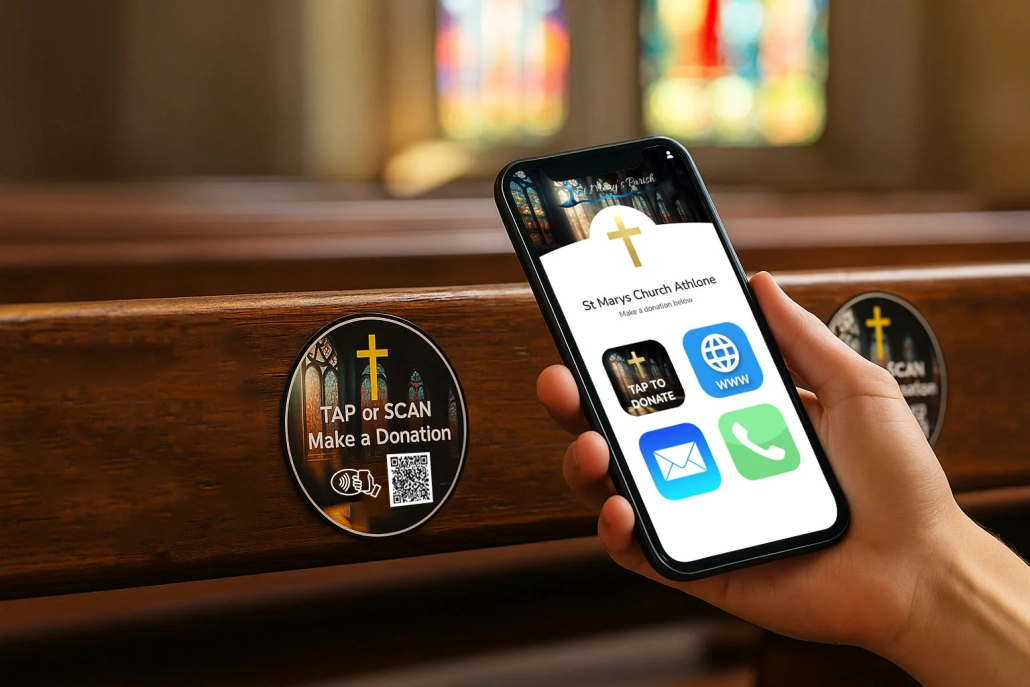
Church Management System | Best Church Management Software Solution
Church Management System: The Complete Guide for Modern Churches

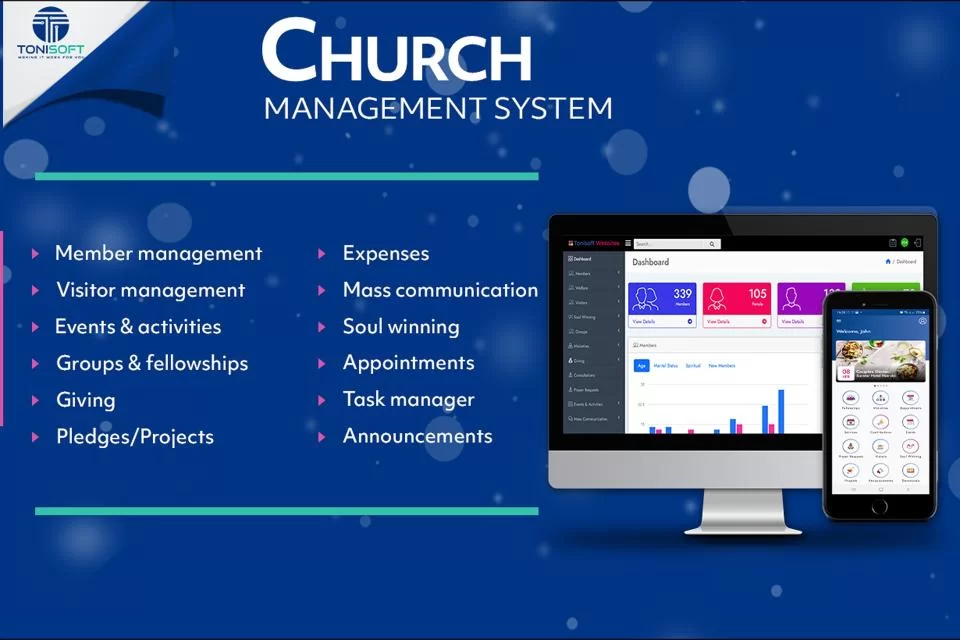

A church management system is an essential digital solution designed to help churches organize, automate, and streamline administrative tasks. From membership tracking and event management to donation processing and communication tools, a modern church management system empowers ministries to focus more on spiritual growth and less on paperwork.
As churches grow in size and complexity, managing data manually becomes inefficient and error-prone. That’s where a powerful church management system steps in — offering centralized control, improved communication, and secure data management.
What Is a Church Management System?
A church management system (ChMS) is software designed specifically for churches to manage members, finances, events, volunteer coordination, and communication. It acts as a digital hub for church administration.
Instead of using spreadsheets, paper files, and disconnected apps, churches can manage everything from one centralized platform.
Key Features of a Church Management System
1. Membership Management
A church management system allows administrators to:
-
Store member profiles
-
Track attendance
-
Manage small groups
-
Monitor baptism and membership status
-
Record pastoral care notes
This ensures accurate records and stronger engagement with members.
2. Church Attendance Tracking
Tracking attendance helps leadership:
-
Monitor church growth
-
Identify inactive members
-
Improve follow-up strategies
-
Analyze trends over time
Digital attendance tracking eliminates manual registers and reduces errors.
3. Church Donation Management
A good church management system includes:
-
Online giving integration
-
Tithe and offering tracking
-
Financial reporting
-
Automated receipts
-
Secure payment processing
This increases transparency and simplifies accounting.
4. Event and Volunteer Management
Church events require coordination. A ChMS can:
-
Schedule services and programs
-
Manage volunteer rosters
-
Send reminders
-
Track registrations
-
Handle event check-ins
Everything becomes organized and accessible in one place.
5. Communication Tools
Modern church management software includes:
-
Bulk SMS
-
Email newsletters
-
Push notifications
-
Group messaging
This strengthens communication between church leadership and members.
Benefits of Using a Church Management System
✅ Improved Organization
All church data is stored in one secure platform.
✅ Increased Efficiency
Automation reduces administrative workload.
✅ Better Member Engagement
Personalized communication improves member retention.
✅ Accurate Reporting
Generate financial and attendance reports instantly.
✅ Data Security
Cloud-based systems offer backups and secure storage.
Why Churches Need a Church Management System Today
In today’s digital era, churches face growing administrative demands. Whether it’s managing online donations, organizing hybrid services, or communicating across multiple platforms, a church management system ensures everything runs smoothly.
Small churches benefit from simplified record-keeping, while large churches require advanced features like multi-campus management and analytics dashboards.
Types of Church Management Systems
Cloud-Based Church Management System
-
Accessible from anywhere
-
Automatic updates
-
Lower upfront costs
-
Ideal for modern ministries
On-Premise Church Management Software
-
Installed on local computers
-
Greater internal control
-
Higher maintenance requirements
Most churches today prefer cloud-based church management systems due to flexibility and scalability.
How to Choose the Best Church Management System
When selecting a church management system, consider:
-
Ease of Use – Is the interface simple for staff and volunteers?
-
Customization – Can it adapt to your church structure?
-
Integration – Does it connect with accounting software or live streaming tools?
-
Security – Is member data encrypted and protected?
-
Customer Support – Is technical support available when needed?
Church Management System for Small Churches
Small ministries need affordable and simple solutions. Look for:
-
Basic membership tracking
-
Online giving tools
-
Attendance management
-
Email and SMS communication
These core features provide maximum value without overwhelming complexity.
Church Management System for Large Churches
Large churches often require:
-
Multi-branch management
-
Advanced financial reporting
-
Volunteer coordination modules
-
Event ticketing systems
-
Analytics dashboards
Scalable church management software ensures smooth growth.
Future of Church Management Systems
Technology continues to transform ministry operations. Emerging trends include:
-
Mobile church management apps
-
AI-powered member insights
-
Automated follow-up workflows
-
Integrated live streaming
-
Digital discipleship tools
A modern church management system is not just an administrative tool — it is a strategic solution that enhances ministry impact.
Conclusion
A church management system is no longer optional for growing ministries. It simplifies operations, improves communication, enhances financial accountability, and strengthens member relationships.
Whether you lead a small local church or a multi-campus ministry, investing in the right church management system will position your church for sustainable growth and effective administration.
