Church Office Management | Complete Guide to Efficient Church Administration
Church Office Management: The Ultimate Guide to Efficient Church Administration



Introduction to Church Office Management
Church office management plays a vital role in ensuring that churches operate smoothly, efficiently, and professionally. Whether managing a small local congregation or a large ministry organization, effective church office management helps streamline communication, organize records, coordinate events, and maintain financial transparency.
In today’s digital age, churches must embrace structured administrative systems to stay organized, improve member engagement, and support ministry growth. From managing donations to scheduling services, church office management ensures that everything behind the scenes functions seamlessly.
What is Church Office Management?
Church office management refers to the administrative processes, tools, and strategies used to run a church’s daily operations. This includes:
-
Member record management
-
Financial administration and accounting
-
Event and service scheduling
-
Communication and correspondence
-
Volunteer coordination
-
Document and file organization
-
Donation tracking and reporting
An organized church office ensures pastors and ministry leaders can focus on spiritual leadership while administrative systems support operational excellence.
Why Church Office Management is Important
1. Improved Organization
A structured office system reduces confusion and prevents misplaced records. Digital databases allow quick access to member information, attendance records, and donation history.
2. Enhanced Communication
Effective church office management enables timely communication through email newsletters, SMS alerts, and event reminders.
3. Financial Accountability
Churches handle tithes, offerings, and donations. Proper accounting systems ensure transparency, compliance, and accurate reporting.
4. Better Member Engagement
When member data is well managed, churches can personalize communication, follow up with visitors, and strengthen relationships.
5. Time Efficiency
Automation reduces manual paperwork, allowing staff to focus on ministry impact rather than administrative overload.
Key Components of Church Office Management
1. Membership Database Management
Maintaining an updated database of church members is essential. This includes:
-
Contact details
-
Family information
-
Attendance history
-
Baptism and membership status
-
Volunteer involvement
Digital church management software simplifies tracking and updating records.
2. Financial Management and Reporting
Church office management must include:
-
Donation tracking
-
Tithe management
-
Budget planning
-
Expense tracking
-
Financial statements
Modern accounting tools ensure accurate reporting and compliance with regulatory standards.
3. Event and Service Scheduling
Church offices coordinate:
-
Sunday services
-
Midweek gatherings
-
Weddings and funerals
-
Conferences and retreats
-
Community outreach events
Calendar management systems prevent double bookings and scheduling conflicts.
4. Volunteer Coordination
Churches depend heavily on volunteers. Efficient office management ensures:
-
Volunteer registration
-
Role assignment
-
Schedule coordination
-
Communication and reminders
5. Communication Systems
Communication is the backbone of any ministry. Church office management includes:
-
Email newsletters
-
SMS notifications
-
Social media updates
-
Website announcements
A centralized communication system keeps members informed and engaged.
Digital Transformation in Church Office Management

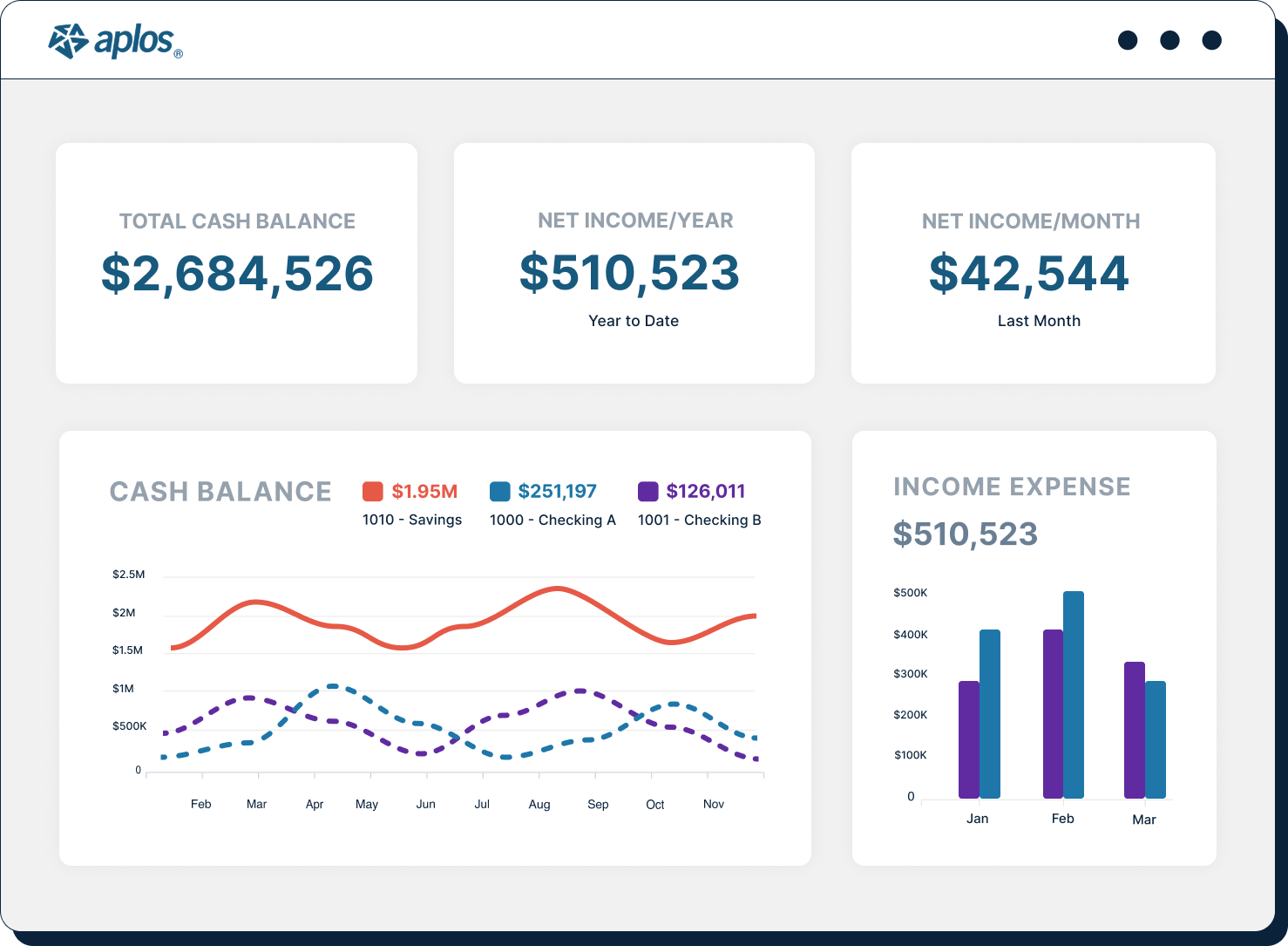
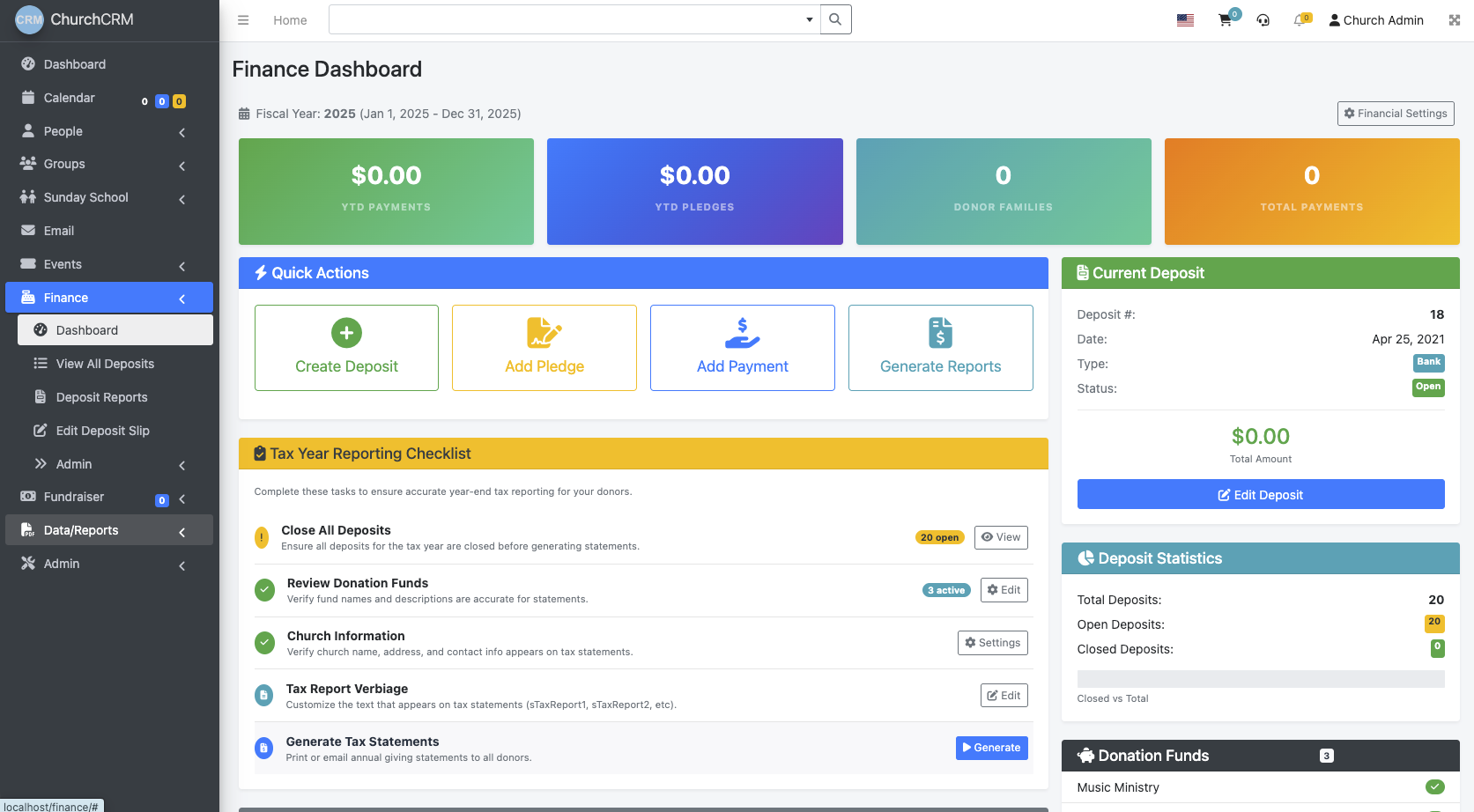
Modern churches are shifting from manual systems to digital platforms. Church management software (ChMS) helps automate:
-
Membership tracking
-
Contribution management
-
Event registration
-
Attendance monitoring
-
Reporting and analytics
Cloud-based systems allow secure access from anywhere, making remote administration easier.
Best Practices for Effective Church Office Management
1. Implement a Centralized Management System
Use a comprehensive church management system to consolidate all administrative functions.
2. Maintain Data Accuracy
Regularly update member records and financial data to prevent inconsistencies.
3. Establish Clear Administrative Policies
Create documented procedures for:
-
Handling donations
-
Approving expenses
-
Managing records
-
Scheduling events
4. Train Church Staff and Volunteers
Provide training on software tools and office procedures to ensure efficiency.
5. Prioritize Data Security
Protect sensitive member and financial data with secure systems, encrypted backups, and access controls.
Challenges in Church Office Management
Despite its importance, church office management faces several challenges:
-
Limited budgets
-
Volunteer turnover
-
Resistance to technology
-
Data migration issues
-
Compliance requirements
Addressing these challenges requires strategic planning, leadership support, and adoption of scalable systems.
Church Office Management for Small Churches
Small churches often operate with minimal staff. Effective strategies include:
-
Using affordable cloud-based software
-
Automating donation receipts
-
Simplifying communication channels
-
Delegating administrative roles to trusted volunteers
Even small congregations benefit significantly from structured administrative systems.
Church Office Management and Financial Transparency
Financial accountability builds trust among members. Key practices include:
-
Regular financial reporting
-
Independent audits
-
Clear donation categorization
-
Budget transparency
Transparency strengthens credibility and encourages continued giving.
Future Trends in Church Office Management
The future of church office management includes:
-
AI-driven member engagement
-
Mobile church apps
-
Online giving integration
-
Data analytics for ministry growth
-
Automated workflow systems
Churches that embrace technology position themselves for sustainable growth.
How to Choose the Right Church Office Management Software
When selecting a solution, consider:
-
Ease of use
-
Scalability
-
Integration capabilities
-
Security features
-
Customer support
-
Cost-effectiveness
Request demos and involve staff in decision-making before implementation.
Conclusion
Effective church office management is essential for operational excellence, financial accountability, and member engagement. By implementing structured administrative processes and leveraging digital tools, churches can improve efficiency and focus on their core mission.
Whether you lead a small congregation or a large ministry, investing in proper church office management systems will streamline operations, enhance communication, and support long-term growth.

