Church Accounting Software | Simplify Donations & Fund Management

ChurchesAdmin Member Communication System | Streamline Church Engagement
ChurchesAdmin Member Communication System | Streamline Church Engagement

ChurchesAdmin member communication system

ChurchesAdmin Member Communication System: Transforming Church Engagement

In today’s fast-paced world, churches need an efficient and reliable communication system to keep members informed, engaged, and connected. The ChurchesAdmin member communication system is designed to simplify communication for churches of all sizes, ensuring that no message goes unnoticed.

Why Churches Need an Efficient Member Communication System

Managing church members and keeping them updated can be challenging. Traditional methods like bulletin boards, printed newsletters, or sporadic emails often fall short in reaching everyone promptly. Churches require a centralized platform that allows seamless communication, event notifications, and updates—all in one place.

The ChurchesAdmin member communication system addresses these challenges by providing a robust, cloud-based solution that brings your congregation closer together.

Key Features of ChurchesAdmin Member Communication System

  1. Centralized Messaging Platform
    Send announcements, prayer requests, and event reminders directly to members through SMS, email, or app notifications. With centralized control, church leaders can ensure that all members receive important updates instantly.

  2. Group Messaging
    Divide your congregation into groups—ministries, volunteers, or committees—and communicate with them efficiently. Targeted messaging improves engagement and reduces unnecessary messages.

  3. Event Notifications and Reminders
    Schedule events, Bible studies, or community service activities and automatically notify members. The system ensures no one misses important church activities.

  4. Member Feedback and Polls
    Engage your congregation by collecting feedback or conducting polls. Churches can easily understand member needs, preferences, and participation trends.

  5. Secure and Reliable
    Protect your member data with top-notch security features. ChurchesAdmin ensures your communications are encrypted and compliant with privacy standards.

  6. Analytics and Reports
    Monitor engagement rates, message delivery, and responses to improve future communication strategies. Data-driven insights help churches grow stronger communities.

Benefits of Using ChurchesAdmin Member Communication System

  • Enhanced Member Engagement: Keep your members informed and involved.

  • Time-Saving: Automate routine messages and reminders.

  • Improved Organization: Streamline communication across departments and ministries.

  • Real-Time Updates: Notify members instantly about last-minute changes or urgent announcements.

  • Community Growth: Strengthen bonds among members through consistent and meaningful communication.

How ChurchesAdmin Stands Out

Unlike generic messaging platforms, the ChurchesAdmin member communication system is tailored for churches. It integrates member management, event scheduling, and communication into one seamless platform. Churches no longer need multiple tools or manual follow-ups—everything is managed efficiently under one roof.

Conclusion

For churches aiming to build stronger relationships with their members, the ChurchesAdmin member communication system is a game-changer. It simplifies communication, increases engagement, and enhances the overall church experience. Start using ChurchesAdmin today and transform the way your church connects with its congregation.

FAQ – ChurchesAdmin Member Communication System

1. What is the ChurchesAdmin member communication system?

The ChurchesAdmin member communication system is a cloud-based platform designed for churches to efficiently manage communication with members. It allows sending announcements, event reminders, and targeted messages through SMS, email, or app notifications.

2. How does ChurchesAdmin improve church communication?

ChurchesAdmin centralizes messaging, enabling churches to notify all members or specific groups instantly. It automates routine messages, schedules event notifications, collects feedback, and tracks engagement, improving overall communication efficiency.

3. Can ChurchesAdmin send messages to different church groups?

Yes! ChurchesAdmin allows churches to create specific groups such as ministries, volunteers, or committees. Messages can be targeted to these groups to ensure relevant information reaches the right members.

4. Is the ChurchesAdmin communication system secure?

Absolutely. ChurchesAdmin prioritizes member privacy and data security, encrypting communications and complying with data protection standards to keep sensitive information safe.

5. Can I track the effectiveness of messages?

Yes. The system provides analytics and reports showing message delivery, open rates, and member responses. This allows churches to refine communication strategies based on real engagement data.

6. Does ChurchesAdmin support event reminders?

ChurchesAdmin automatically sends reminders for upcoming events, Bible studies, volunteer activities, and other church gatherings, ensuring members stay informed and engaged.

7. Is ChurchesAdmin easy to use for small churches?

Yes. ChurchesAdmin is designed for churches of all sizes. Its intuitive interface allows church leaders to manage members, send messages, and monitor engagement without technical expertise.

How ChurchesAdmin Simplifies Church Management | Complete Guide

How ChurchesAdmin Simplifies Church Management | Complete Guide

How ChurchesAdmin Simplifies Church Management | Complete Guide

church management

How ChurchesAdmin Simplifies Church Management

Managing a church involves more than just organizing services. Church leaders must oversee finances, membership records, communication, events, donations, volunteer coordination, and administrative tasks. Without a structured system, these responsibilities can quickly become overwhelming. That is where ChurchesAdmin, a modern church management platform, comes in.

The keyword “how ChurchesAdmin simplifies church management” highlights the growing demand for digital tools that help churches operate efficiently while focusing on their primary mission—serving their congregation and community. ChurchesAdmin provides a centralized system designed to streamline church operations, improve communication, and enhance financial transparency.

In this guide, we will explore how ChurchesAdmin simplifies church management, its key features, benefits, and why many churches are transitioning to digital management systems.


Understanding Church Management Challenges

Church administration can be complex, especially as congregations grow. Church leaders often struggle with managing large amounts of data and coordinating activities.

Common challenges include:

  • Managing member records manually

  • Tracking donations and tithes

  • Organizing church events and services

  • Communicating with members effectively

  • Handling financial reporting and transparency

  • Coordinating volunteers and ministries

Many churches still rely on spreadsheets, paper records, or disconnected systems. This can lead to errors, inefficiencies, and time-consuming processes.

ChurchesAdmin addresses these issues by providing a centralized church management system that automates and organizes administrative tasks.


What Is ChurchesAdmin?

ChurchesAdmin is a church management software platform designed to help pastors, administrators, and ministry leaders manage church operations efficiently.

The system integrates several essential church management tools into one platform, including:

  • Membership management

  • Donation tracking

  • Event scheduling

  • Communication tools

  • Financial reporting

  • Volunteer coordination

With ChurchesAdmin, church leaders can access information quickly, reduce paperwork, and focus more on ministry rather than administrative tasks.


Key Ways ChurchesAdmin Simplifies Church Management

1. Centralized Member Management

Keeping track of church members can be difficult when records are scattered across multiple files or documents.

ChurchesAdmin provides a centralized membership database where administrators can store and manage information such as:

  • Member contact details

  • Family relationships

  • Ministry involvement

  • Attendance records

  • Membership status

This centralized system ensures that church leaders always have accurate and up-to-date information about their congregation.

Benefits include:

  • Quick member lookup

  • Improved organization

  • Better pastoral care tracking

  • Efficient data management


2. Easy Donation and Tithe Tracking

Financial transparency is essential for church trust and accountability. ChurchesAdmin simplifies donation management by allowing churches to record and monitor contributions.

Key features include:

  • Tracking tithes and offerings

  • Recording donations by member

  • Generating contribution reports

  • Managing special fundraising campaigns

  • Exporting financial reports for accounting

This helps churches maintain accurate financial records and provides clear reporting for leadership and congregation members.


3. Streamlined Communication with Members

Communication is vital for any church community. ChurchesAdmin provides tools that make it easier for church leaders to stay connected with their congregation.

Features include:

  • Email notifications

  • SMS messaging

  • Event reminders

  • Church announcements

  • Ministry updates

Instead of sending messages individually, church administrators can send updates to groups or the entire congregation instantly.

This improves engagement and ensures members stay informed about church activities.


4. Event and Service Management

Churches regularly host events such as:

  • Worship services

  • Bible study sessions

  • Prayer meetings

  • Conferences

  • Community outreach programs

Managing these events manually can lead to scheduling conflicts or miscommunication.

ChurchesAdmin offers event management tools that allow churches to:

  • Schedule services and events

  • Assign volunteers or ministry teams

  • Send event reminders

  • Track attendance

This makes organizing church activities easier and more efficient.


5. Volunteer and Ministry Coordination

Church ministries rely heavily on volunteers. Coordinating volunteers manually can be challenging, especially for large congregations.

ChurchesAdmin helps church leaders manage volunteer activities by allowing them to:

  • Assign members to ministries

  • Track volunteer participation

  • Manage ministry teams

  • Schedule volunteer responsibilities

This ensures that church programs run smoothly and that volunteers are properly organized.


6. Financial Reporting and Accountability

Church financial management requires transparency and accountability. ChurchesAdmin simplifies financial tracking with built-in reporting tools.

Administrators can generate reports such as:

  • Monthly donation summaries

  • Contribution reports by member

  • Event fundraising reports

  • Church financial summaries

These reports help church leaders make informed decisions and maintain trust with their congregation.


7. Attendance Tracking

Understanding attendance patterns can help church leaders plan services, outreach programs, and ministry growth strategies.

ChurchesAdmin allows churches to track attendance for:

  • Sunday services

  • Small group meetings

  • Bible study sessions

  • Youth programs

By analyzing attendance data, churches can identify growth opportunities and improve engagement.


8. Cloud-Based Accessibility

One of the biggest advantages of ChurchesAdmin is its cloud-based platform.

This means church leaders can access the system from anywhere using:

  • Computers

  • Tablets

  • Smartphones

Benefits of cloud access include:

  • Remote church administration

  • Real-time data updates

  • Improved collaboration among church leaders

  • Secure data storage

This flexibility allows church teams to manage operations efficiently even outside the church office.


Benefits of Using ChurchesAdmin

Improved Efficiency

Church administrators save time by automating repetitive tasks such as data entry, reporting, and communication.

Better Organization

All church data is stored in one system, making it easier to manage information and avoid errors.

Stronger Member Engagement

With improved communication tools, churches can stay connected with members and keep them involved in church activities.

Increased Financial Transparency

Accurate financial reporting builds trust among church members and leadership teams.

Scalable for Growing Churches

As congregations grow, ChurchesAdmin can easily handle increasing membership, events, and financial records.


Why Churches Are Moving to Digital Management Systems

Churches around the world are adopting church management software to modernize their operations.

Key reasons include:

  • Reducing administrative workload

  • Improving member communication

  • Enhancing financial accountability

  • Supporting church growth

  • Increasing operational efficiency

Digital systems like ChurchesAdmin help churches operate more professionally while staying focused on their mission and ministry.


Best Practices for Implementing ChurchesAdmin

To maximize the benefits of ChurchesAdmin, churches should follow these best practices:

  1. Train church administrators on how to use the system effectively.

  2. Regularly update member records and financial data.

  3. Use communication tools to keep members informed.

  4. Monitor reports to track church growth and finances.

  5. Encourage ministry leaders to use the platform for coordination.

Proper implementation ensures that the software delivers its full value.


The Future of Church Management Technology

Church technology continues to evolve, offering new ways for churches to connect with members and manage operations.

Future trends may include:

  • Mobile church apps

  • Online giving platforms

  • Live service integration

  • Data-driven ministry planning

  • AI-powered church management tools

Platforms like ChurchesAdmin are helping churches transition into a more efficient, digitally connected future.


Conclusion

Understanding how ChurchesAdmin simplifies church management is essential for churches seeking efficient administrative solutions. By centralizing membership records, automating donation tracking, improving communication, and simplifying event management, ChurchesAdmin allows church leaders to focus more on ministry and less on paperwork.

With features designed specifically for church operations, ChurchesAdmin provides a powerful solution for managing congregations, finances, volunteers, and events. As churches continue to grow and adapt to modern technology, platforms like ChurchesAdmin will play a critical role in supporting efficient and organized church management.

Church Management Software in Mombasa | Streamline Your Church Operations

Web-Based Church Management System | Streamline Church Operations

Web-Based Church Management System | Streamline Church Operations

web-based church management system

Web-Based Church Management System: Streamlining Church Operations in the Digital Era

In today’s fast-paced digital world, managing a church efficiently requires more than traditional methods. Churches face growing administrative demands, from tracking attendance and donations to organizing events and communicating with members. A web-based church management system has emerged as the ultimate solution, allowing churches to manage operations seamlessly, securely, and remotely.


What is a Web-Based Church Management System?

A web-based church management system (ChMS) is a software platform hosted on the cloud that helps churches organize and manage their daily operations online. Unlike traditional desktop software, web-based systems are accessible via any device with an internet connection—computers, tablets, and smartphones. This accessibility ensures church leaders can stay connected with their congregation from anywhere in the world.

Key features of a web-based church management system include:

  • Member Management: Track member information, attendance, and engagement.

  • Donation & Tithing Management: Manage online giving, automate receipts, and generate financial reports.

  • Event Scheduling: Plan and coordinate church events, services, and volunteer activities.

  • Communication Tools: Send announcements via email, SMS, or app notifications.

  • Reporting & Analytics: Generate insights on membership growth, donation trends, and more.


Benefits of Using a Web-Based Church Management System

Churches that adopt a web-based church management system enjoy numerous benefits:

1. Centralized Church Data

A cloud-based platform consolidates all church data in one secure location. This includes member profiles, attendance records, donation history, and volunteer schedules. Centralization minimizes errors, reduces administrative workload, and ensures that information is always up-to-date.

2. Accessibility and Flexibility

Since the system is web-based, church staff can access information anytime, anywhere. Pastors, administrators, and volunteers can manage schedules, track donations, or communicate with members without being tied to the church office.

3. Improved Member Engagement

Modern congregations expect seamless communication. A web-based church management system allows churches to send personalized emails, SMS reminders, and mobile app notifications. Engaged members are more likely to participate in events, give donations, and volunteer for church activities.

4. Efficient Financial Management

Church finances can be complex, especially with tithes, offerings, and event fees. A web-based system automates giving, generates receipts, and provides detailed reports for transparency and accountability. This makes budgeting and auditing simpler and faster.

5. Enhanced Event Planning

Organizing church events requires coordination of staff, volunteers, and resources. With a web-based system, churches can schedule events, assign responsibilities, and track attendance efficiently. Automated reminders ensure no one misses important gatherings.

6. Security and Compliance

Top-tier web-based church management systems use encryption and secure cloud storage to protect sensitive member data. Compliance with data privacy regulations ensures that member information remains confidential.


Key Features to Look for in a Web-Based Church Management System

When selecting the right web-based church management system, churches should consider the following features:

Member & Contact Management

Track member details such as contact information, family relationships, attendance, and participation in church activities. Advanced systems allow segmentation for targeted communication.

Online Giving & Donation Tracking

Enable members to give safely via credit card, bank transfer, or mobile payment platforms. Automatically generate receipts and track donation history for each member.

Event Management & Calendar Integration

Plan services, bible studies, volunteer schedules, and church events. Integration with calendar apps ensures timely reminders and smooth coordination.

Communication Tools

Send newsletters, event invitations, and emergency notifications via SMS, email, or app push notifications. Personalized communication fosters deeper engagement.

Reporting & Analytics

Access real-time reports on attendance, donations, volunteer activity, and membership growth. Analytics provide valuable insights to help guide strategic decisions.

Volunteer & Staff Management

Manage volunteer schedules, assign tasks, and monitor participation. Staff members can log their hours and receive automated reminders for their duties.

Mobile Compatibility

A fully responsive platform ensures church leaders and members can interact with the system via smartphones or tablets, improving accessibility and convenience.


How a Web-Based Church Management System Transforms Church Operations

Implementing a web-based church management system can revolutionize how a church operates:

Streamlined Administration

Manual processes like tracking attendance, logging donations, and managing events are time-consuming and prone to errors. Automating these processes frees up staff time to focus on spiritual growth and community outreach.

Increased Transparency

Donations and finances are easier to track, with automated reports and receipts. This transparency builds trust between church leadership and members.

Enhanced Communication

Timely and personalized communication improves member participation. Church announcements, event reminders, and prayer requests can be sent instantly.

Growth Management

As churches grow, managing members, events, and volunteers manually becomes increasingly challenging. A web-based system scales with your congregation, handling more members without additional administrative burden.


Choosing the Right Web-Based Church Management System

Selecting the ideal system requires careful consideration of your church’s needs:

  1. Budget-Friendly Options: Look for systems offering subscription plans that fit your church’s budget.

  2. Ease of Use: The platform should be intuitive for both staff and members.

  3. Integration Capabilities: Ensure the system integrates with payment gateways, calendar apps, and communication tools.

  4. Customer Support: Reliable customer service is critical for resolving technical issues promptly.

  5. Data Security: Ensure robust security measures, including encryption, secure backups, and compliance with privacy laws.


Popular Web-Based Church Management Systems

Several web-based church management systems have gained recognition for their features, ease of use, and reliability. Some notable options include:

  • Planning Center – Focused on service planning, scheduling, and giving.

  • Breeze ChMS – Simple, intuitive, and ideal for small to mid-sized churches.

  • ChurchTrac – Affordable, feature-rich platform with member management and communication tools.

  • FellowshipOne – Comprehensive system for large churches with advanced analytics and integration capabilities.

Each system offers unique features, and the right choice depends on your church’s size, budget, and specific needs.


The Future of Church Management is Web-Based

The shift from paper-based records to digital platforms is transforming church administration. A web-based church management system not only improves efficiency but also strengthens community engagement, financial transparency, and strategic growth. By leveraging technology, churches can focus more on their mission and less on administrative burdens.


Conclusion

A web-based church management system is more than just a software tool—it’s a catalyst for operational excellence. From member management to online donations, event scheduling, and real-time reporting, it enables churches to operate smoothly and stay connected with their congregation in the digital age. Investing in the right system ensures your church remains organized, transparent, and thriving.

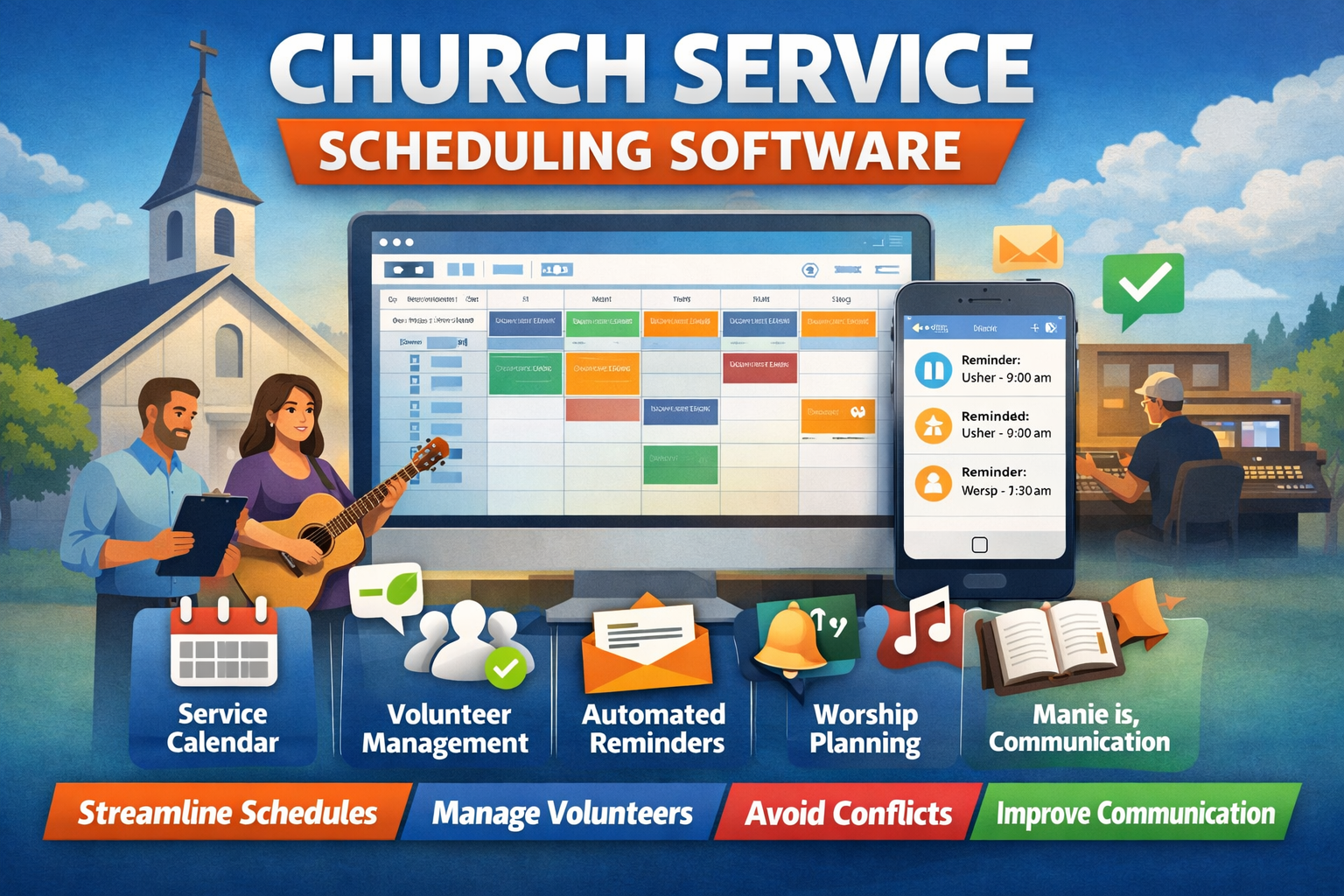
Church Service Scheduling Software | Best Church Scheduling Tools

Church Accounting Software | Best Financial Management System for Churches

Church Service Scheduling Software | Best Church Scheduling Tools

church service scheduling software

Church Accounting Software: The Complete Guide for Modern Churches


Introduction to Church Accounting Software

Churches today manage a wide range of financial activities—from member donations and tithes to budgeting, payroll, and expense tracking. Handling all these processes manually can be time-consuming and prone to errors. This is where church accounting software becomes essential.

Church accounting software is a specialized financial management tool designed to help churches track income, manage expenses, record donations, and generate financial reports. Unlike standard accounting software, it is tailored specifically for religious organizations and nonprofit structures.

With the rise of digital solutions, many churches around the world are moving toward cloud-based church accounting systems that simplify financial administration and improve transparency.


What Is Church Accounting Software?

Church accounting software is a financial management platform built specifically for churches, ministries, and other faith-based organizations. It helps manage:

  • Church income and expenses

  • Tithes and offerings

  • Budget planning

  • Financial reporting

  • Payroll for church staff

  • Member giving records

These systems allow churches to keep accurate financial records while ensuring accountability and transparency.

Many churches use church accounting software as part of a broader church management system (ChMS) to integrate finances with membership management, events, and communications.


Why Churches Need Accounting Software

Managing church finances manually using spreadsheets or paper records can create numerous challenges. Church accounting software solves these problems by automating financial processes and improving record keeping.

1. Accurate Financial Tracking

Church accounting software helps maintain accurate financial records. It tracks every donation, offering, and expense, ensuring that church leaders know exactly where funds are coming from and how they are being used.

2. Transparency and Accountability

Financial transparency is crucial for building trust among church members and leadership. Accounting software provides clear financial reports that can be shared with church boards, pastors, and members.

3. Simplified Donation Management

Churches receive donations in various forms such as:

  • Tithes

  • Offerings

  • Special contributions

  • Online donations

Church accounting software records and organizes all these contributions automatically.

4. Time-Saving Automation

Automated financial processes reduce the administrative burden on church staff and volunteers. Tasks such as generating reports, recording donations, and tracking expenses can be completed quickly.

5. Better Budget Management

Church accounting systems help leaders plan budgets, monitor spending, and ensure funds are used responsibly.


Key Features of Church Accounting Software

Modern church accounting software comes with powerful features designed to meet the needs of religious organizations.

Donation and Tithe Tracking

This feature allows churches to record member contributions, track donation history, and generate giving statements for members.

Financial Reporting

Church leaders can generate important financial reports such as:

  • Income and expense reports

  • Balance sheets

  • Budget reports

  • Donation summaries

These reports help church leaders make informed financial decisions.

Expense Management

Church accounting systems allow administrators to track expenses related to:

  • Church operations

  • Ministry programs

  • Community outreach

  • Building maintenance

Budget Planning

Churches can create financial budgets and compare actual spending against planned budgets.

Payroll Management

Many church accounting platforms also manage payroll for pastors, church staff, and ministry workers.

Online Giving Integration

Modern churches often accept donations online. Church accounting software integrates with online payment systems, making it easy for members to give digitally.


Cloud-Based Church Accounting Software

Cloud-based church accounting software is becoming increasingly popular because of its flexibility and accessibility.

Unlike traditional desktop software, cloud systems allow church administrators to access financial data from anywhere using an internet connection.

Benefits of Cloud Accounting for Churches

  • Access financial records anytime

  • Automatic software updates

  • Secure cloud storage

  • Multiple user access

  • Reduced IT maintenance

This makes cloud accounting systems ideal for both small and large churches.


Church Accounting Software for Small Churches

Small churches often operate with limited budgets and volunteers rather than full-time staff. Church accounting software simplifies financial management for these organizations.

Benefits for small churches include:

  • Simple financial tracking

  • Easy donation recording

  • Basic financial reporting

  • Affordable pricing

  • Reduced paperwork

Even churches with minimal administrative staff can efficiently manage finances using user-friendly accounting tools.


Church Accounting Software for Large Ministries

Large churches and ministries handle complex financial structures involving multiple departments and programs.

Advanced church accounting systems provide features such as:

  • Multi-department budgeting

  • Fund accounting

  • Advanced reporting

  • Multi-user access

  • Integration with church management systems

These features help large churches maintain organized financial operations.


Fund Accounting for Churches

One of the most important features of church accounting software is fund accounting.

Fund accounting allows churches to manage different funds separately, such as:

  • Building funds

  • Mission funds

  • Youth ministry funds

  • Community outreach funds

This ensures that donations designated for specific purposes are used appropriately.

Fund accounting helps churches maintain financial integrity and compliance with nonprofit accounting standards.


Financial Reporting for Church Leadership

Church accounting software provides powerful reporting tools that help leaders understand the financial health of the church.

Key reports include:

  • Income statements

  • Expense reports

  • Donation summaries

  • Budget performance reports

  • Annual financial reports

These reports assist pastors, treasurers, and church boards in making responsible financial decisions.


Improving Financial Transparency in Churches

Financial transparency is essential for maintaining trust within the church community.

Church accounting software improves transparency by:

  • Keeping accurate donation records

  • Providing detailed financial reports

  • Allowing financial oversight by church leaders

  • Maintaining audit-ready records

Members feel more confident giving when they know the church manages finances responsibly.


Security in Church Accounting Systems

Churches handle sensitive financial data, so security is a top priority.

Modern church accounting software includes:

  • Data encryption

  • Secure cloud storage

  • User access control

  • Automated backups

  • Multi-factor authentication

These security features protect financial records and donor information.


Choosing the Best Church Accounting Software

When selecting church accounting software, churches should consider several factors.

Ease of Use

The software should be easy for staff and volunteers to learn and use.

Customization

Every church operates differently. Choose software that can adapt to your church’s financial structure.

Integration with Church Management Systems

Some accounting systems integrate with membership management platforms, simplifying administration.

Reporting Capabilities

Comprehensive financial reporting tools are essential for financial transparency.

Cost

Churches should select software that fits within their budget while providing essential features.


Benefits of Using Church Accounting Software

Church accounting software provides numerous advantages for churches of all sizes.

Key benefits include:

  • Efficient financial management

  • Accurate donation tracking

  • Improved transparency

  • Time-saving automation

  • Secure financial data storage

  • Better financial planning

These advantages help churches focus more on ministry and community outreach rather than administrative tasks.


The Future of Church Financial Management

Technology is transforming how churches manage finances. Future church accounting systems will likely include:

  • AI-powered financial insights

  • Mobile giving platforms

  • Real-time financial dashboards

  • Advanced cloud security

  • Automated reporting systems

As digital transformation continues, churches will increasingly rely on technology to improve financial management.


Conclusion

Church accounting software is an essential tool for modern churches seeking to manage finances efficiently and transparently. From donation tracking and expense management to financial reporting and budgeting, these systems simplify financial administration for churches of all sizes.

Whether a small local congregation or a large ministry, adopting church accounting software allows church leaders to maintain accurate records, build trust among members, and focus more on spiritual growth and community service.

Cloud-Based Church Management System | Efficient Church Administration

Cloud-Based Church Management System | Efficient Church Administration

Cloud-Based Church Management System | Efficient Church Administration

Cloud-based church management system

Cloud-Based Church Management System: Transforming Modern Church Operations

In today’s fast-paced digital world, churches are increasingly adopting technology to streamline operations, enhance member engagement, and manage resources effectively. One of the most powerful tools available is a cloud-based church management system. This innovative software allows churches to handle administrative tasks, communication, donations, and events from a centralized, online platform.

With the rise of cloud technology, traditional church management methods, such as paper-based records or local software installations, are becoming outdated. Churches that embrace a cloud-based church management system can enjoy flexibility, security, and efficiency while focusing on their core mission of spiritual guidance and community support.


What is a Cloud-Based Church Management System?

A cloud-based church management system (ChMS) is software hosted on remote servers, accessible over the internet, designed specifically to manage church operations. Unlike traditional on-premise software, cloud-based solutions offer:

  • Remote access from any device with an internet connection.

  • Automatic updates and backups without IT intervention.

  • Scalable solutions that grow with the church community.

  • Enhanced security and compliance with data protection regulations.

By centralizing data and operations, a cloud-based church management system reduces administrative overhead and provides real-time insights into church activities, memberships, and finances.


Key Features of a Cloud-Based Church Management System

Modern cloud-based church management systems offer a wide range of features that help churches operate efficiently. Here are the most common functionalities:

1. Member Management

A core function of any cloud-based church management system is organizing member information. Churches can:

  • Track member profiles, including contact information, family relationships, and membership history.

  • Monitor attendance for worship services, small groups, or events.

  • Segment members based on age, location, or ministry involvement for targeted communication.

2. Contribution and Donation Management

Handling donations is simplified with a cloud-based church management system. Features include:

  • Online giving platforms and automated donation tracking.

  • Financial reporting to manage budgets and offerings.

  • Secure payment gateways for recurring donations.

3. Event Scheduling and Management

Churches host various events, from worship services to community outreach programs. A cloud-based system allows leaders to:

  • Schedule and promote events online.

  • Track event attendance.

  • Send reminders and updates to members via email or SMS.

4. Communication Tools

Effective communication is vital for a thriving congregation. Cloud-based church management systems often include:

  • Email campaigns and newsletters.

  • Text message alerts for urgent announcements.

  • Integration with social media platforms for outreach.

5. Volunteer and Ministry Coordination

Managing volunteers can be challenging. A cloud-based system helps by:

  • Tracking volunteer roles and schedules.

  • Assigning tasks and notifying volunteers automatically.

  • Monitoring participation and performance metrics.


Benefits of a Cloud-Based Church Management System

Implementing a cloud-based church management system offers numerous advantages for churches of all sizes.

1. Accessibility Anywhere, Anytime

Being cloud-based means church staff and volunteers can access data from anywhere—whether in the office, at home, or on the go. This flexibility improves response times and reduces dependency on physical records.

2. Cost Efficiency

Unlike on-premise software, a cloud-based church management system typically operates on a subscription basis, reducing upfront costs. There is no need for expensive hardware or IT maintenance.

3. Enhanced Data Security

Security is a critical concern for churches managing sensitive member information. Cloud-based systems often include encryption, multi-factor authentication, and automated backups to safeguard data.

4. Real-Time Updates and Reporting

With real-time analytics, church leaders can make informed decisions. Insights into attendance trends, donation patterns, and ministry engagement help improve planning and resource allocation.

5. Simplified Compliance

Churches must comply with financial reporting and data protection laws. Many cloud-based church management systems offer tools to simplify compliance, including GDPR and PCI DSS-ready solutions.


How to Choose the Right Cloud-Based Church Management System

Selecting the best cloud-based church management system requires careful consideration of the church’s unique needs. Here are factors to evaluate:

1. Ease of Use

Choose software with an intuitive interface that requires minimal training. Volunteers and staff should navigate the system easily without extensive technical knowledge.

2. Feature Set

Identify which features are essential. While some churches may prioritize donation tracking, others might focus on event management or communication tools.

3. Integration Capabilities

A robust cloud-based church management system should integrate with existing tools such as email marketing platforms, accounting software, and social media accounts.

4. Security and Compliance

Ensure the software provider has strong security measures and complies with relevant regulations. This protects both church data and members’ privacy.

5. Customer Support

Reliable customer support is crucial for resolving issues quickly. Look for vendors offering 24/7 support, tutorials, and a knowledge base.


Top Use Cases for a Cloud-Based Church Management System

1. Managing Growing Congregations

For large congregations, maintaining accurate records manually is nearly impossible. A cloud-based system provides scalable solutions for managing thousands of members efficiently.

2. Streamlining Financial Operations

A cloud-based church management system simplifies giving and accounting, making it easier to manage tithes, offerings, and donations.

3. Enhancing Volunteer Coordination

Churches rely heavily on volunteers. Cloud-based tools allow for seamless scheduling, task assignment, and communication.

4. Improving Member Engagement

With automated reminders, event updates, and personalized communication, members stay informed and engaged in church activities.

5. Supporting Remote and Hybrid Worship

Cloud-based platforms allow churches to track online attendance, stream services, and manage virtual events, ensuring inclusivity for remote members.


Future Trends in Cloud-Based Church Management Systems

The church technology landscape continues to evolve. Some emerging trends include:

  • AI and Automation: Predictive analytics for attendance, donations, and engagement.

  • Mobile-First Platforms: Apps that allow members and staff to access church management tools on smartphones.

  • Enhanced Data Analytics: Advanced reporting for informed decision-making.

  • Integration with Social Platforms: Seamless connection to social media for outreach and engagement.

  • Sustainability and Green Initiatives: Digital systems reduce the need for paper records and physical storage.


Why Your Church Needs a Cloud-Based Church Management System

In the digital age, a cloud-based church management system is not just a convenience—it’s a necessity. By centralizing church operations, the software enables leaders to focus on ministry, pastoral care, and community building rather than administrative tasks.

Churches that adopt cloud-based solutions enjoy:

  • Greater efficiency in managing members and resources.

  • Increased engagement through streamlined communication.

  • Better financial oversight and accountability.

  • Flexibility to adapt to changing circumstances, including remote and hybrid worship needs.

In short, a cloud-based church management system empowers churches to operate smarter, serve better, and grow stronger.


Conclusion

A cloud-based church management system is a transformative tool for modern churches. From streamlining administration to enhancing member engagement and ensuring secure financial management, the benefits are clear. Whether your church is small or large, adopting a cloud-based system ensures you stay connected with your congregation, optimize operations, and focus on your core mission of spiritual growth and community impact.

Investing in the right cloud-based church management system is not just about technology—it’s about building a more efficient, organized, and future-ready church.

ChurchesAdmin Online Church Software | Streamline Church Management

ChurchesAdmin Online Church Software | Streamline Church Management

ChurchesAdmin Online Church Software | Streamline Church Management

ChurchesAdmin Online Church Software

ChurchesAdmin Online Church Software: Transforming Church Management

Managing a church efficiently requires more than devotion—it demands organization, clear communication, and seamless administration. ChurchesAdmin online church software is designed to streamline church operations, giving leaders more time to focus on ministry and community engagement.


What is ChurchesAdmin Online Church Software?

ChurchesAdmin online church software is a cloud-based platform that enables churches to manage memberships, donations, events, and communications in one centralized system. Unlike traditional manual record-keeping, this software ensures data accuracy, real-time updates, and secure access from anywhere.

Key features include:

  • Membership Management – Track members, families, and attendance effortlessly.

  • Contribution Tracking – Manage tithes, offerings, and pledges with automated reporting.

  • Event Scheduling – Plan services, meetings, and community events with reminders.

  • Communication Tools – Send announcements, newsletters, and alerts directly to members.


Benefits of Using ChurchesAdmin Online Church Software

Implementing ChurchesAdmin online church software brings multiple advantages for church leaders and staff:

  1. Efficiency and Time-Saving – Automate administrative tasks, reducing paperwork.

  2. Enhanced Member Engagement – Access member information and communicate effectively.

  3. Financial Transparency – Generate detailed reports on donations, pledges, and expenses.

  4. Cloud Accessibility – Access church data securely from any device, anytime.

  5. Scalable Solution – Suitable for churches of all sizes, from small congregations to large ministries.


How ChurchesAdmin Simplifies Church Operations

Church operations involve many moving parts, from attendance tracking to donation management. ChurchesAdmin online church software simplifies these processes with an intuitive dashboard that provides real-time insights into church activities.

Example Use Case: A pastor can view weekly attendance, send personalized messages to members, and track all donations in one place without the need for multiple spreadsheets or software tools.


Why Choose ChurchesAdmin Online Church Software

  • User-Friendly Interface: Easy for both tech-savvy and non-technical staff.

  • Secure Cloud Storage: Protects sensitive member and financial information.

  • Customizable Reports: Tailor reports for finance, attendance, and membership.

  • 24/7 Support: Access help whenever needed for smooth church operations.

Church leaders looking for a modern, reliable, and efficient way to manage their congregation will find ChurchesAdmin online church software indispensable.


Conclusion

For churches seeking to modernize their administration, improve communication, and enhance member engagement, ChurchesAdmin online church software is the ultimate solution. Streamline your church management, empower your ministry, and focus on what truly matters—building your community and spreading your message.

ChurchesAdmin Online Church Software: The Ultimate Solution for Modern Church Management

In today’s fast-paced digital world, churches face the challenge of managing growing congregations, tracking donations, and keeping members engaged—all while staying true to their mission. ChurchesAdmin online church software offers a comprehensive solution, helping church leaders streamline administration, boost member engagement, and maintain transparency in operations.


Why Churches Need Online Church Software

Churches today are more than just places of worship—they are vibrant communities with complex administrative needs. Traditional manual record-keeping methods are time-consuming, prone to errors, and limit effective communication with members.

ChurchesAdmin online church software eliminates these challenges by providing a centralized platform for all church management activities. From tracking member attendance to managing finances, this software empowers church leaders to focus on ministry rather than paperwork.


Key Features of ChurchesAdmin Online Church Software

  1. Membership Management
    Managing a growing congregation can be overwhelming. With ChurchesAdmin online church software, you can:

    • Maintain detailed member profiles

    • Track attendance for services and events

    • Manage family connections and member groups

    • Quickly retrieve contact information

  2. Donation and Financial Management
    Transparency and accountability are essential in church finances. ChurchesAdmin simplifies financial management by:

    • Tracking tithes, offerings, and pledges

    • Generating automatic financial reports

    • Managing recurring donations

    • Integrating with payment gateways for online giving

  3. Event Scheduling and Management
    Organizing church events can be complex. ChurchesAdmin allows you to:

    • Schedule events and meetings with ease

    • Send reminders to members and staff

    • Monitor RSVPs and participation rates

    • Link events to specific member groups or ministries

  4. Communication Tools
    Clear communication is critical for member engagement. ChurchesAdmin helps churches:

    • Send newsletters, announcements, and alerts

    • Communicate with specific groups or the entire congregation

    • Integrate SMS and email notifications

    • Maintain logs of past communications

  5. Reports and Analytics
    Data-driven insights help churches make informed decisions. With ChurchesAdmin, you can:

    • Track growth in membership

    • Analyze donation trends

    • Measure event participation

    • Export reports for board meetings and audits


Benefits of Using ChurchesAdmin Online Church Software

ChurchesAdmin online church software offers a range of benefits that directly impact the efficiency and effectiveness of church operations:

  • Improved Efficiency: Automate administrative tasks and reduce paperwork.

  • Enhanced Member Engagement: Personalize communication and track participation.

  • Financial Transparency: Ensure accurate donation tracking and reporting.

  • Remote Access: Secure cloud-based access from any device, anywhere.

  • Scalability: Suitable for churches of any size, from small ministries to large congregations.


How ChurchesAdmin Simplifies Daily Church Operations

ChurchesAdmin online church software provides an intuitive dashboard that allows church leaders to manage multiple tasks simultaneously. For example:

  • A pastor can quickly view weekly attendance trends and send follow-up messages to members who missed service.

  • Finance officers can generate donation reports with a few clicks, reducing manual calculations and errors.

  • Event coordinators can schedule youth programs, bible studies, and outreach initiatives with automated reminders.

This level of automation not only saves time but also ensures that every member feels connected and informed.


Security and Data Protection

Data security is a top priority for any cloud-based platform. ChurchesAdmin online church software uses advanced encryption and secure cloud storage to protect sensitive member and financial information. Churches can rest assured that:

  • Member records are safe from unauthorized access

  • Financial data is encrypted and backed up regularly

  • Compliance with data protection regulations is maintained


Why ChurchesAdmin Stands Out

Choosing the right church management software is crucial. ChurchesAdmin stands out because:

  • User-Friendly Interface: Easy to navigate for staff with varying tech skills.

  • Customizable Reports: Tailor financial, attendance, and membership reports to specific needs.

  • 24/7 Customer Support: Get help anytime for smooth operations.

  • Mobile-Friendly: Access and manage church activities on smartphones or tablets.


Case Study: A Church Transformation with ChurchesAdmin

Consider a medium-sized church with over 500 members. Before adopting ChurchesAdmin online church software, the administration relied on spreadsheets, manual attendance logs, and cash donation records. Challenges included:

  • Lost donation records

  • Missed event follow-ups

  • Delayed communication with members

After implementing ChurchesAdmin:

  • Attendance tracking became automated

  • Online donations simplified financial management

  • Communication tools increased member engagement

  • Administrative tasks were reduced by 50%

This case illustrates how ChurchesAdmin online church software can revolutionize church operations.


Frequently Asked Questions (FAQs)

Q1: Is ChurchesAdmin suitable for small churches?
Yes. ChurchesAdmin is scalable and can be customized to fit the needs of small, medium, or large congregations.

Q2: Can members give donations online?
Absolutely. ChurchesAdmin integrates with secure payment gateways to allow online tithes, offerings, and pledges.

Q3: Is training required to use the software?
The software is user-friendly, but ChurchesAdmin provides tutorials and 24/7 support to ensure smooth adoption.

Q4: Can I access ChurchesAdmin on mobile devices?
Yes, ChurchesAdmin is mobile-friendly and can be accessed on smartphones and tablets.


Conclusion

For modern churches seeking to enhance organization, streamline administration, and strengthen member engagement, ChurchesAdmin online church software is the ultimate tool. From membership management to financial tracking, event scheduling, and communication, this all-in-one solution allows church leaders to focus on their mission while technology handles the rest.

Church Management System – Efficient Church Administration & Membership Tracking

Church Management System – Efficient Church Administration & Membership Tracking

Church Management System – Efficient Church Administration & Membership Tracking

Church management system

Church Management System: Streamline Your Church Operations Efficiently

In today’s digital age, managing a church manually can be time-consuming and prone to errors. A Church management system (CMS) provides an integrated platform to handle membership records, donations, events, communication, and more—all from a single, easy-to-use interface. Whether your church is small or has thousands of members, implementing a robust CMS can transform how your organization operates.

What is a Church Management System?

A Church management system is software designed specifically for churches to automate administrative tasks. From tracking attendance to managing finances, a CMS reduces paperwork and frees up your team to focus on ministry work. Modern CMS platforms often include features like:

  • Membership management – Maintain detailed records of members, families, and groups.

  • Donation tracking – Securely process tithes, offerings, and pledges.

  • Event management – Plan and manage events, services, and community outreach programs.

  • Communication tools – Send newsletters, reminders, and announcements via email or SMS.

  • Reporting and analytics – Generate financial, attendance, and engagement reports effortlessly.

Benefits of Using a Church Management System

Implementing a Church management system offers numerous advantages:

  1. Efficiency – Automate repetitive tasks and reduce administrative workload.

  2. Improved Communication – Keep members informed and engaged through seamless messaging.

  3. Accurate Records – Maintain up-to-date membership, donation, and event data.

  4. Enhanced Security – Protect sensitive member information with secure cloud storage.

  5. Data-Driven Decisions – Use analytics to plan events, outreach programs, and financial strategies effectively.

Choosing the Right Church Management System

Not all CMS platforms are created equal. When selecting a Church management system, consider the following:

  • Ease of Use: The system should be intuitive for staff and volunteers.

  • Customization: Look for software that adapts to your church’s size and structure.

  • Integration: Ability to connect with accounting software, email platforms, and payment gateways.

  • Support: Reliable customer service and training resources.

  • Mobile Access: Cloud-based systems allow access from anywhere, even on smartphones and tablets.

Top Features to Look for in a Church Management System

A high-quality Church management system should include:

  • Membership database and family tracking

  • Online giving and financial reporting

  • Attendance and check-in systems

  • Event registration and volunteer management

  • Communication tools (email, SMS, push notifications)

  • Mobile app for members and staff

  • Custom reporting and analytics dashboards

How a Church Management System Enhances Ministry

A CMS doesn’t just streamline administration—it strengthens your ministry. By freeing staff from repetitive tasks, a Church management system allows pastors and volunteers to focus on community engagement, spiritual growth, and outreach programs. Members benefit too, enjoying smoother communication, easy donations, and more organized events.

Conclusion

A Church management system is no longer a luxury—it’s a necessity for modern churches seeking to improve efficiency, enhance engagement, and strengthen community impact. Investing in the right CMS empowers your church to focus on what matters most: nurturing faith and building relationships.


Church Management System: The Ultimate Guide to Streamlining Church Operations

Managing a church comes with unique challenges—from tracking memberships and donations to organizing events and ensuring smooth communication. A Church management system (CMS) is designed to simplify all these processes, empowering church leaders to focus more on ministry and community outreach rather than administrative tasks.

In this comprehensive guide, we explore everything you need to know about CMS software, including features, benefits, selection tips, and how it can transform your church operations.


What is a Church Management System?

A Church management system is specialized software that helps churches automate and organize their administrative and operational tasks. Unlike generic management tools, a CMS is built specifically for the unique needs of religious organizations, combining membership tracking, donation management, event planning, and communication into a single platform.

By centralizing all church data, a CMS allows pastors, volunteers, and administrative staff to work more efficiently, reduce errors, and create a better experience for members.


Key Features of a Church Management System

Modern Church management systems come packed with a variety of features designed to cover every aspect of church administration:

1. Membership Management

A robust CMS maintains detailed records of members, families, and groups. Features include:

  • Member profiles with personal information

  • Family grouping and relational tracking

  • Attendance monitoring for services, small groups, and events

2. Donation and Financial Tracking

Handling church finances can be complex. A CMS makes it easy to:

  • Track tithes, offerings, and pledges

  • Process online and mobile donations securely

  • Generate financial reports for transparency and planning

3. Event Planning and Volunteer Management

Organizing church events requires coordination. With a CMS, you can:

  • Schedule events and assign volunteers

  • Track RSVPs and attendance

  • Automate reminders and notifications

4. Communication Tools

Effective communication is vital for engagement. Features include:

  • Email newsletters and SMS alerts

  • Push notifications for members through mobile apps

  • Segmented communication based on groups or ministries

5. Reporting and Analytics

A CMS provides actionable insights to help church leaders make informed decisions:

  • Attendance and engagement reports

  • Donation trends and financial analysis

  • Volunteer participation metrics


Benefits of Implementing a Church Management System

Investing in a Church management system delivers tangible benefits for both staff and members:

Streamlined Administration

Automate repetitive tasks like data entry, donation tracking, and attendance logging, freeing up staff to focus on ministry.

Enhanced Member Engagement

Keep members connected with timely communication, easy event registration, and mobile access to church resources.

Improved Financial Management

Track giving accurately and transparently, with automatic reporting for budgeting and planning.

Data Security and Compliance

Modern CMS platforms provide secure storage of sensitive information, helping your church comply with privacy regulations.

Informed Decision Making

Analytics and reports provide insights that allow church leaders to plan growth strategies, improve outreach, and optimize resources.


How to Choose the Right Church Management System

Choosing the right CMS requires careful consideration of your church’s unique needs:

  1. Ease of Use: The software should be intuitive for staff and volunteers, requiring minimal training.

  2. Customization: Look for a CMS that can adapt to your church size, structure, and ministries.

  3. Integration: Ensure compatibility with accounting software, email platforms, and online payment gateways.

  4. Mobile Access: Cloud-based systems with mobile apps allow staff and members to access information anywhere.

  5. Support and Training: Reliable customer support and training resources are essential for smooth adoption.


Common Types of Church Management Systems

Churches can choose from different types of CMS solutions depending on their needs:

  • Cloud-Based CMS: Accessible from anywhere, ideal for multi-location churches.

  • On-Premise CMS: Installed locally on church servers; offers more control over data.

  • Mobile-First CMS: Designed primarily for mobile devices, improving member engagement and on-the-go management.


Best Practices for Using a Church Management System

To maximize the benefits of your CMS:

  • Keep member data up-to-date and accurate

  • Encourage online giving and digital engagement

  • Train staff and volunteers regularly

  • Regularly review reports and analytics to improve operations

  • Integrate the CMS with your website, social media, and communication channels


Real-World Impact of a Church Management System

Many churches have reported remarkable improvements after implementing a CMS:

  • Reduced administrative workload by up to 60%

  • Increased online donations and tithes by 40%

  • Improved volunteer participation through automated scheduling and reminders

  • Enhanced member satisfaction and engagement through personalized communication

A CMS not only simplifies church operations but also strengthens your ministry’s ability to serve the community effectively.


Frequently Asked Questions (FAQs)

Q1: Can a small church benefit from a Church management system?
Absolutely! CMS platforms are scalable and can serve both small congregations and large multi-campus churches. Even small churches benefit from streamlined administration and improved communication.

Q2: Is a Church management system secure?
Yes. Reputable CMS providers use encryption, secure cloud storage, and compliance measures to protect sensitive member data.

Q3: Can donations be processed online?
Most modern CMS platforms support online giving, recurring donations, and integration with payment gateways for convenience and transparency.

Q4: How long does it take to implement a CMS?
Implementation varies depending on the size of the church and complexity of features, but many churches can go live within a few weeks with proper training.

Q5: Can volunteers manage events using a CMS?
Yes. CMS platforms allow volunteers to schedule, register, and manage events with minimal administrative support, improving engagement and efficiency.


Conclusion

A Church management system is a vital tool for modern churches looking to improve efficiency, communication, and community engagement. By automating administrative tasks, tracking membership, managing finances, and facilitating events, a CMS allows church leaders to focus on what matters most: nurturing faith and building meaningful relationships.

Investing in the right Church management system ensures your church operates smoothly, engages members effectively, and grows sustainably in today’s digital world.

Church Management System – Efficient Church Administration & Membership Tracking

ChurchesAdmin Membership Management | Streamline Church Administration

ChurchesAdmin Membership Management – The Smart Way to Manage Your Church Community

https://cdn.dribbble.com/userupload/42584082/file/original-a0f9eda414db2ae918dfba05b70c2ebc.png?resize=1600x1200
https://cdn.prod.website-files.com/63e2e08df72ab98959f09628/64aedd4f561f432dcf2edc0b_attachments.webp
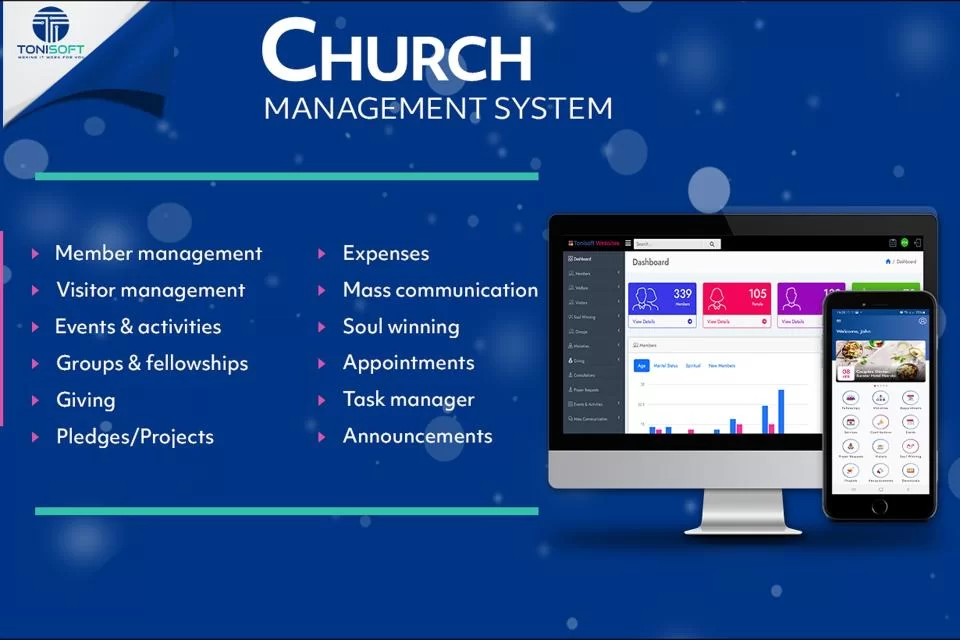
https://www.tonisoft.co.ke/uploads/img/pages/church-management-software.webp
4

In today’s fast-growing church environments, keeping track of members, attendance, contributions, and communication can be overwhelming. That’s where ChurchesAdmin membership management comes in. Designed specifically for churches and faith-based organizations, ChurchesAdmin simplifies administrative work while helping leaders focus on ministry and spiritual growth.

If you are searching for a reliable, scalable, and easy-to-use church membership management system, ChurchesAdmin offers powerful tools to streamline operations and improve member engagement.


What Is ChurchesAdmin Membership Management?

ChurchesAdmin membership management is a comprehensive church administration solution that helps churches manage:

  • Member registration and profiles

  • Attendance tracking

  • Tithes and offerings records

  • Communication (SMS & email)

  • Small groups and ministry departments

  • Reports and analytics

It centralizes all church data into one secure, accessible platform—eliminating spreadsheets, paperwork, and manual errors.


Why Churches Need an Efficient Membership Management System

Church growth brings administrative challenges. Without proper systems, churches often struggle with:

  • Lost or outdated member records

  • Inaccurate contribution tracking

  • Poor communication with members

  • Difficulty managing multiple ministries

  • Limited reporting for decision-making

With ChurchesAdmin membership management, everything is organized, automated, and easily accessible.


Key Features of ChurchesAdmin Membership Management

1. Member Registration & Profile Management

ChurchesAdmin allows churches to:

  • Register new members digitally

  • Store personal details securely

  • Track family relationships

  • Upload member photos

  • Assign membership status

Having a centralized member database ensures leaders always have accurate information at their fingertips.


2. Attendance Tracking Made Simple

Track attendance for:

  • Sunday services

  • Midweek services

  • Prayer meetings

  • Youth gatherings

  • Small group meetings

ChurchesAdmin membership management provides real-time attendance data and historical trends, helping church leaders understand growth patterns and engagement levels.


3. Tithes & Offerings Management

Financial transparency is essential in church management. ChurchesAdmin enables:

  • Recording of tithes and offerings

  • Tracking member giving history

  • Generating contribution statements

  • Creating financial reports

This improves accountability and simplifies financial reporting for church leadership.


4. Group & Ministry Management

Manage different church departments such as:

  • Youth ministry

  • Women’s fellowship

  • Men’s fellowship

  • Choir and worship team

  • Outreach teams

ChurchesAdmin membership management helps assign members to groups and track participation efficiently.


5. Communication Tools

Effective communication keeps members engaged. ChurchesAdmin supports:

  • Bulk SMS notifications

  • Email communication

  • Event reminders

  • Meeting announcements

This ensures members stay informed about upcoming services, programs, and events.


6. Reporting & Analytics

Church leaders need insights to make strategic decisions. With ChurchesAdmin, you can generate:

  • Membership growth reports

  • Attendance reports

  • Financial summaries

  • Group participation reports

These insights help churches plan better and grow sustainably.


Benefits of Using ChurchesAdmin Membership Management

✔ Improved Organization

Centralized data eliminates confusion and duplication.

✔ Increased Member Engagement

Automated communication keeps members connected.

✔ Better Financial Accountability

Accurate contribution tracking enhances transparency.

✔ Time-Saving Automation

Reduces paperwork and manual record-keeping.

✔ Scalable for Growing Churches

Whether you’re a small church or a large ministry, ChurchesAdmin adapts to your needs.


Who Can Use ChurchesAdmin?

ChurchesAdmin membership management is ideal for:

  • Small and medium-sized churches

  • Mega churches

  • Church networks and denominations

  • Faith-based organizations

  • Church planting ministries

It supports both single-branch and multi-branch church structures.


How ChurchesAdmin Enhances Church Growth

Church growth is not just about numbers—it’s about relationships and engagement. By organizing member data and improving communication, ChurchesAdmin helps churches:

  • Follow up with new visitors

  • Track inactive members

  • Strengthen pastoral care

  • Improve volunteer coordination

  • Plan events more effectively

With accurate data, leaders can focus on ministry rather than administrative burdens.


Why Choose ChurchesAdmin Membership Management?

There are many church management tools available, but ChurchesAdmin stands out because:

  • It is built specifically for churches

  • It is user-friendly and easy to implement

  • It offers comprehensive membership tools

  • It supports financial tracking

  • It improves communication

  • It provides reliable reporting

ChurchesAdmin membership management gives churches the digital infrastructure they need to thrive in today’s fast-paced environment.


Final Thoughts

Managing a growing church requires more than passion—it requires organization, structure, and technology. ChurchesAdmin membership management provides a complete solution for churches seeking efficiency, accountability, and better member engagement.

By adopting ChurchesAdmin, churches can:

  • Simplify administration

  • Improve communication

  • Track growth effectively

  • Strengthen community relationships

  • Focus more on spiritual leadership

Church Office Management | Complete Guide to Efficient Church Administration

Church Office Management: The Ultimate Guide to Efficient Church Administration

https://cdn.autonomous.ai/static/upload/images/common/upload/20220516/Best-Church-Office-Design-Ideas-to-Arrange-Layouts_6de89b18f71.webp
https://www.ziprecruiter.com/svc/fotomat/public-ziprecruiter/cms/1059662522WorkFromHomeAnsweringServiceOperator.jpg%3Dws720x480
https://cdn.dribbble.com/userupload/42584082/file/original-a0f9eda414db2ae918dfba05b70c2ebc.png?resize=1600x1200
4

Introduction to Church Office Management

Church office management plays a vital role in ensuring that churches operate smoothly, efficiently, and professionally. Whether managing a small local congregation or a large ministry organization, effective church office management helps streamline communication, organize records, coordinate events, and maintain financial transparency.

In today’s digital age, churches must embrace structured administrative systems to stay organized, improve member engagement, and support ministry growth. From managing donations to scheduling services, church office management ensures that everything behind the scenes functions seamlessly.


What is Church Office Management?

Church office management refers to the administrative processes, tools, and strategies used to run a church’s daily operations. This includes:

  • Member record management

  • Financial administration and accounting

  • Event and service scheduling

  • Communication and correspondence

  • Volunteer coordination

  • Document and file organization

  • Donation tracking and reporting

An organized church office ensures pastors and ministry leaders can focus on spiritual leadership while administrative systems support operational excellence.


Why Church Office Management is Important

1. Improved Organization

A structured office system reduces confusion and prevents misplaced records. Digital databases allow quick access to member information, attendance records, and donation history.

2. Enhanced Communication

Effective church office management enables timely communication through email newsletters, SMS alerts, and event reminders.

3. Financial Accountability

Churches handle tithes, offerings, and donations. Proper accounting systems ensure transparency, compliance, and accurate reporting.

4. Better Member Engagement

When member data is well managed, churches can personalize communication, follow up with visitors, and strengthen relationships.

5. Time Efficiency

Automation reduces manual paperwork, allowing staff to focus on ministry impact rather than administrative overload.


Key Components of Church Office Management

1. Membership Database Management

Maintaining an updated database of church members is essential. This includes:

  • Contact details

  • Family information

  • Attendance history

  • Baptism and membership status

  • Volunteer involvement

Digital church management software simplifies tracking and updating records.

2. Financial Management and Reporting

Church office management must include:

  • Donation tracking

  • Tithe management

  • Budget planning

  • Expense tracking

  • Financial statements

Modern accounting tools ensure accurate reporting and compliance with regulatory standards.

3. Event and Service Scheduling

Church offices coordinate:

  • Sunday services

  • Midweek gatherings

  • Weddings and funerals

  • Conferences and retreats

  • Community outreach events

Calendar management systems prevent double bookings and scheduling conflicts.

4. Volunteer Coordination

Churches depend heavily on volunteers. Efficient office management ensures:

  • Volunteer registration

  • Role assignment

  • Schedule coordination

  • Communication and reminders

5. Communication Systems

Communication is the backbone of any ministry. Church office management includes:

  • Email newsletters

  • SMS notifications

  • Social media updates

  • Website announcements

A centralized communication system keeps members informed and engaged.


Digital Transformation in Church Office Management

https://cdn.prod.website-files.com/63e2e08df72ab98959f09628/64aedd4f561f432dcf2edc0b_attachments.webp
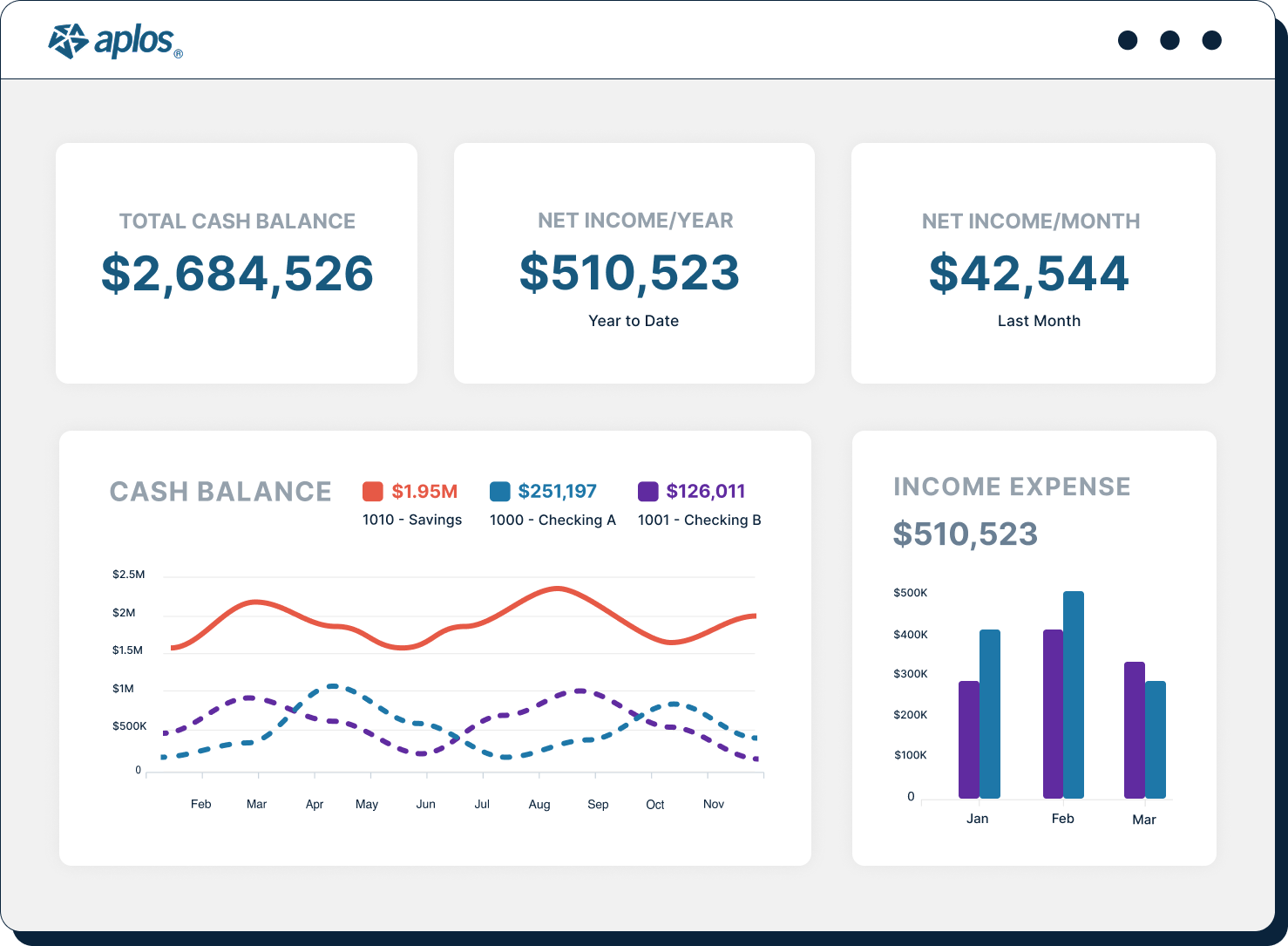
https://cdn.prod.website-files.com/644691be9cfddf7b3e816e96/67a5467a6772936eddda9ff3_fe8b7fdc6f3455d82455a33675648073_Aplos%20Dashboard%20V3%20%281%29.png
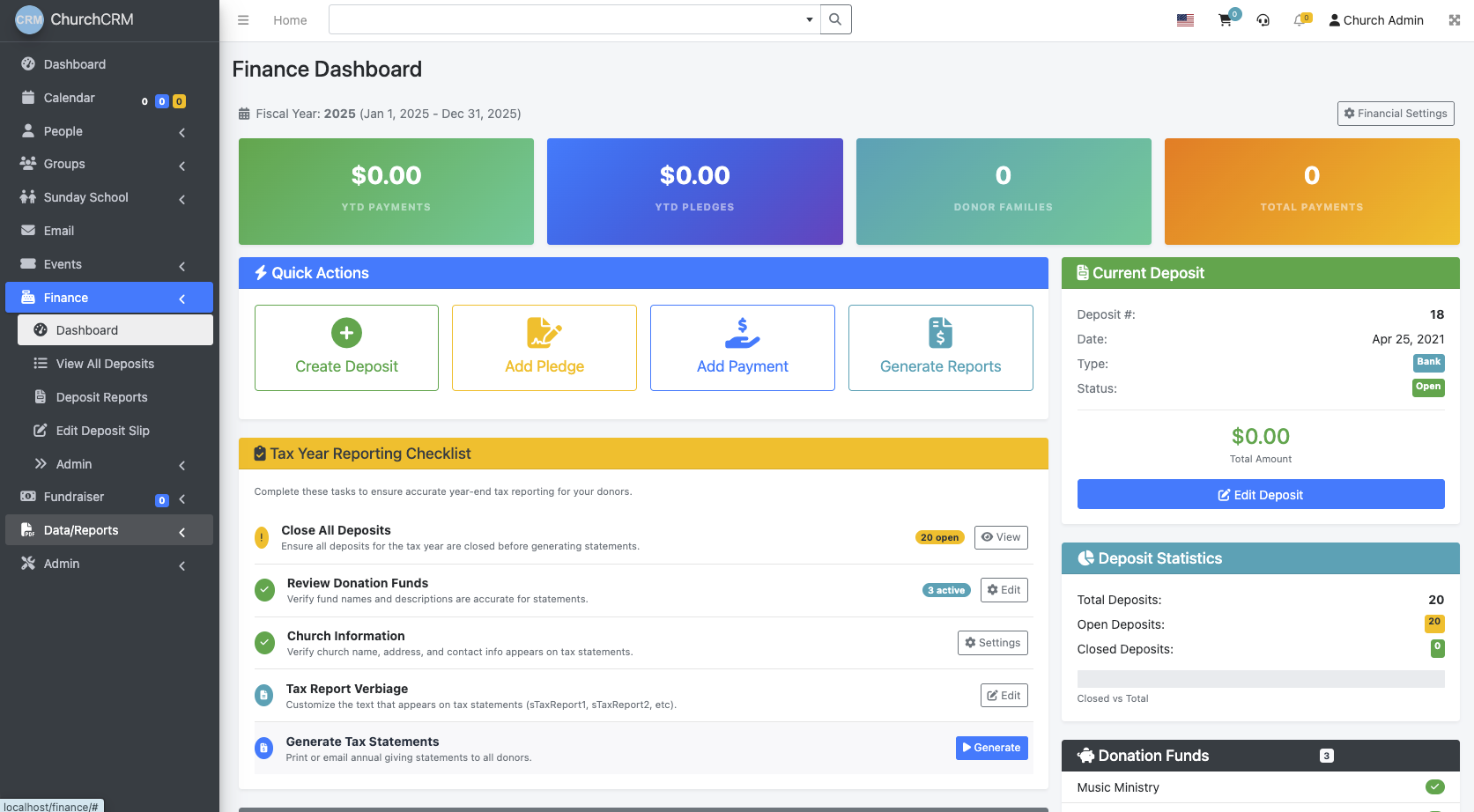
https://churchcrm.io/images/screen-finance.png
4

Modern churches are shifting from manual systems to digital platforms. Church management software (ChMS) helps automate:

  • Membership tracking

  • Contribution management

  • Event registration

  • Attendance monitoring

  • Reporting and analytics

Cloud-based systems allow secure access from anywhere, making remote administration easier.


Best Practices for Effective Church Office Management

1. Implement a Centralized Management System

Use a comprehensive church management system to consolidate all administrative functions.

2. Maintain Data Accuracy

Regularly update member records and financial data to prevent inconsistencies.

3. Establish Clear Administrative Policies

Create documented procedures for:

  • Handling donations

  • Approving expenses

  • Managing records

  • Scheduling events

4. Train Church Staff and Volunteers

Provide training on software tools and office procedures to ensure efficiency.

5. Prioritize Data Security

Protect sensitive member and financial data with secure systems, encrypted backups, and access controls.


Challenges in Church Office Management

Despite its importance, church office management faces several challenges:

  • Limited budgets

  • Volunteer turnover

  • Resistance to technology

  • Data migration issues

  • Compliance requirements

Addressing these challenges requires strategic planning, leadership support, and adoption of scalable systems.


Church Office Management for Small Churches

Small churches often operate with minimal staff. Effective strategies include:

  • Using affordable cloud-based software

  • Automating donation receipts

  • Simplifying communication channels

  • Delegating administrative roles to trusted volunteers

Even small congregations benefit significantly from structured administrative systems.


Church Office Management and Financial Transparency

Financial accountability builds trust among members. Key practices include:

  • Regular financial reporting

  • Independent audits

  • Clear donation categorization

  • Budget transparency

Transparency strengthens credibility and encourages continued giving.


Future Trends in Church Office Management

The future of church office management includes:

  • AI-driven member engagement

  • Mobile church apps

  • Online giving integration

  • Data analytics for ministry growth

  • Automated workflow systems

Churches that embrace technology position themselves for sustainable growth.


How to Choose the Right Church Office Management Software

When selecting a solution, consider:

  • Ease of use

  • Scalability

  • Integration capabilities

  • Security features

  • Customer support

  • Cost-effectiveness

Request demos and involve staff in decision-making before implementation.


Conclusion

Effective church office management is essential for operational excellence, financial accountability, and member engagement. By implementing structured administrative processes and leveraging digital tools, churches can improve efficiency and focus on their core mission.

Whether you lead a small congregation or a large ministry, investing in proper church office management systems will streamline operations, enhance communication, and support long-term growth.

Church Accounting Software | Simplify Donations & Fund Management

Church Management System | Best Church Management Software Solution

Church Management System: The Complete Guide for Modern Churches

https://cdn.dribbble.com/userupload/42584082/file/original-a0f9eda414db2ae918dfba05b70c2ebc.png?resize=1600x1200
https://www.tonisoft.co.ke/uploads/img/pages/church-management-software.webp
https://cdn.prod.website-files.com/5f6b9a421d5a61e1d0cd9e3d/68922a4acc5908532aa1a28a_portrait-african-american-nun-and-priest-in-office-2025-05-15-10-10-39-utc.jpg
4

A church management system is an essential digital solution designed to help churches organize, automate, and streamline administrative tasks. From membership tracking and event management to donation processing and communication tools, a modern church management system empowers ministries to focus more on spiritual growth and less on paperwork.

As churches grow in size and complexity, managing data manually becomes inefficient and error-prone. That’s where a powerful church management system steps in — offering centralized control, improved communication, and secure data management.


What Is a Church Management System?

A church management system (ChMS) is software designed specifically for churches to manage members, finances, events, volunteer coordination, and communication. It acts as a digital hub for church administration.

Instead of using spreadsheets, paper files, and disconnected apps, churches can manage everything from one centralized platform.


Key Features of a Church Management System

1. Membership Management

A church management system allows administrators to:

  • Store member profiles

  • Track attendance

  • Manage small groups

  • Monitor baptism and membership status

  • Record pastoral care notes

This ensures accurate records and stronger engagement with members.

2. Church Attendance Tracking

Tracking attendance helps leadership:

  • Monitor church growth

  • Identify inactive members

  • Improve follow-up strategies

  • Analyze trends over time

Digital attendance tracking eliminates manual registers and reduces errors.

3. Church Donation Management

A good church management system includes:

  • Online giving integration

  • Tithe and offering tracking

  • Financial reporting

  • Automated receipts

  • Secure payment processing

This increases transparency and simplifies accounting.

4. Event and Volunteer Management

Church events require coordination. A ChMS can:

  • Schedule services and programs

  • Manage volunteer rosters

  • Send reminders

  • Track registrations

  • Handle event check-ins

Everything becomes organized and accessible in one place.

5. Communication Tools

Modern church management software includes:

  • Bulk SMS

  • Email newsletters

  • Push notifications

  • Group messaging

This strengthens communication between church leadership and members.


Benefits of Using a Church Management System

✅ Improved Organization

All church data is stored in one secure platform.

✅ Increased Efficiency

Automation reduces administrative workload.

✅ Better Member Engagement

Personalized communication improves member retention.

✅ Accurate Reporting

Generate financial and attendance reports instantly.

✅ Data Security

Cloud-based systems offer backups and secure storage.


Why Churches Need a Church Management System Today

In today’s digital era, churches face growing administrative demands. Whether it’s managing online donations, organizing hybrid services, or communicating across multiple platforms, a church management system ensures everything runs smoothly.

Small churches benefit from simplified record-keeping, while large churches require advanced features like multi-campus management and analytics dashboards.


Types of Church Management Systems

Cloud-Based Church Management System

  • Accessible from anywhere

  • Automatic updates

  • Lower upfront costs

  • Ideal for modern ministries

On-Premise Church Management Software

  • Installed on local computers

  • Greater internal control

  • Higher maintenance requirements

Most churches today prefer cloud-based church management systems due to flexibility and scalability.


How to Choose the Best Church Management System

When selecting a church management system, consider:

  1. Ease of Use – Is the interface simple for staff and volunteers?

  2. Customization – Can it adapt to your church structure?

  3. Integration – Does it connect with accounting software or live streaming tools?

  4. Security – Is member data encrypted and protected?

  5. Customer Support – Is technical support available when needed?


Church Management System for Small Churches

Small ministries need affordable and simple solutions. Look for:

  • Basic membership tracking

  • Online giving tools

  • Attendance management

  • Email and SMS communication

These core features provide maximum value without overwhelming complexity.


Church Management System for Large Churches

Large churches often require:

  • Multi-branch management

  • Advanced financial reporting

  • Volunteer coordination modules

  • Event ticketing systems

  • Analytics dashboards

Scalable church management software ensures smooth growth.

Future of Church Management Systems

Technology continues to transform ministry operations. Emerging trends include:

  • Mobile church management apps

  • AI-powered member insights

  • Automated follow-up workflows

  • Integrated live streaming

  • Digital discipleship tools

A modern church management system is not just an administrative tool — it is a strategic solution that enhances ministry impact.


Conclusion

A church management system is no longer optional for growing ministries. It simplifies operations, improves communication, enhances financial accountability, and strengthens member relationships.

Whether you lead a small local church or a multi-campus ministry, investing in the right church management system will position your church for sustainable growth and effective administration.